

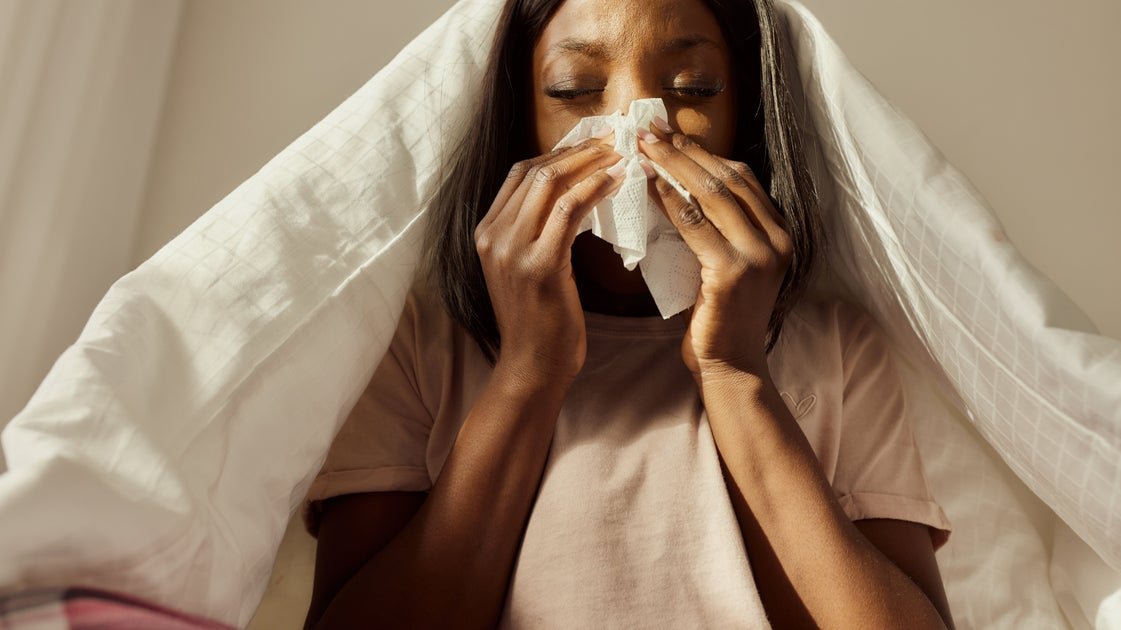
“I’m always sick!” and “I can’t believe I have a cold again” are common refrains throughout the fall and winter for many people. It’s not in your head: Respiratory virus season hits some people harder than others.
Everyone is at risk of catching the common cold or a respiratory virus like the flu or COVID-19, said Dr. Tim Hendrix, chief medical officer of AdventHealth Centra Care in Florida. And while there’s lots of talk about “weak” or “strong” immune systems, the main reason people get sick isn’t related to that.
“I think the main reason that some people get more colds than others relates to exposure,” said Dr. Dean Blumberg, the chief of pediatric infectious diseases at UC Davis Health in California. Someone who is often exposed to infectious people will naturally get sick more often than someone who isn’t often near coughing, sniffling people.
It’s worth noting that this hypothesis does not apply to immunocompromised people and folks on medications that suppress their immune system. These groups are more at risk of viruses and bacterial infections, period, Hendrix said. This could include people going through cancer treatment or folks on medications for conditions like lupus or Crohn’s disease. Folks who are immunocompromised are generally informed by their doctor, so they are normally aware that they’re at higher risk of infection, Hendrix said.
For others, though, it all comes down to exposure — and there are a few areas in which germs spread most. Here’s what to know.
Living with someone who has a cold puts you at higher risk of coming down with the virus.
“The most intense exposure is going to be household contact, because you’re going to have prolonged intimate contact with people,” Blumberg added.
Think about it: In your home, you’re probably sitting close to your family members or roommates, using the same hand towels, and touching all of the same surfaces.
Those who live in homes with lots of other people may find they’re sick more often than those who live alone or with just one other person.
Families with young kids (and teachers of young children) are at the highest risk of getting sick often.
Parents and caregivers of young kids won’t be surprised to learn that their constant exposure to babies, toddlers and school-age kids who are frequently sick also makes them sick all the time.
“We know children typically get more common cold viruses because they’re exposed to it at school,” Hendrix said.
Particularly, children in day care are at the highest risk of getting infected, according to Blumberg. “Because, of course, the children in day care ― especially group day care ― outside the home, they’re going to be exposed to multiple other children, and they’re too young to practice more mature hygienic practices.”
Babies and young children aren’t old enough to understand that they should really cover their coughs and sneezes, and wash their hands frequently. Instead, they’re probably sharing toys, holding hands and sitting close to other students. And then at home, families have very close contact with infected children — putting them to sleep, feeding them, picking them up, kissing them — “and that’s going to increase your risk for infection,” Blumberg explained.
Day care, preschool and elementary school teachers are also at higher risk of getting sick as they’re also in close quarters with infected kids, Hendrix said.
The risk of getting sick from kids decreases as they get older.
“Then, as children get older, the school-age children may still bring viruses home from school and infect the adults … but their hygiene habits are better,” Blumberg said. “They may not be physically close to their parents, and so the risk decreases.”
“And certainly the risk is going to be lowest in adults who don’t have kids at home and don’t have large households at home,” Blumberg added.
skynesher via Getty Images
Caretakers of young kids likely find they’re sick more than others.
Here’s how to protect yourself this respiratory virus season.
When it comes to respiratory viruses like the common cold or the flu, they’re all spread in the same couple of ways.
“The most common way these viruses are transmitted is by respiratory droplets, … the closer you are to somebody when they’re coughing or sneezing, the higher risk you are,” Blumberg explained.
Droplets spread from people’s nose and mouth even when they talk. Wearing a mask in high-risk situations can protect you and others from these droplets and lower your risk of getting sick. If you are around someone who’s sniffling, it’s also a good idea to keep your distance and even open up some windows (if it’s not too cold out).
These viruses also spread through touch, according to Blumberg. It’s a good idea to avoid touching your face, and particularly your nose, mouth and eyes, when your hands aren’t clean.
“One item that has consistently shown to reduce the transmission of viruses is hand-washing or hand sanitizers, as simple as it sounds, We’ve said this for several years now, since the pandemic ― it’s all about hand-washing, especially during flu season,” Hendrix said.
It’s also a good idea to teach kids these hand hygiene habits so they can avoid the transmission of viruses as they get older, Hendrix added.
Beyond individual habits, you should also aim to follow large-scale behaviors that can keep your body healthy overall. “I always remind people that your immune system is your greatest asset,” Hendrix said. “You want to take care of your immune system. The better functioning your immune system is at fighting off these viral infections during the flu season, the better.”
Getting enough sleep, following a nutritious diet, staying hydrated and not wearing yourself down are all ways to promote a healthy immune system, according to Hendrix.
YourSupportMakes The Story
Your SupportFuelsOur Mission
Your SupportFuelsOur Mission
Join Those Who Make It Possible
HuffPost stands apart because we report for the people, not the powerful. Our journalism is fearless, inclusive, and unfiltered. Join the membership program and help strengthen news that puts people first.
We remain committed to providing you with the unflinching, fact-based journalism everyone deserves.
Thank you again for your support along the way. We’re truly grateful for readers like you! Your initial support helped get us here and bolstered our newsroom, which kept us strong during uncertain times. Now as we continue, we need your help more than ever. We hope you will join us once again.
We remain committed to providing you with the unflinching, fact-based journalism everyone deserves.
Thank you again for your support along the way. We’re truly grateful for readers like you! Your initial support helped get us here and bolstered our newsroom, which kept us strong during uncertain times. Now as we continue, we need your help more than ever. We hope you will join us once again.
Support HuffPost
Already a member? Log in to hide these messages.
While no one action will totally protect you from catching a cold if you are exposed, keeping your immune system healthy and washing your hands can only help.
