

In recent years, GLP-1 medications for weight loss have ballooned in popularity for not only the benefit of losing weight, but also helping to lower blood pressure, reduce risk of heart disease, improve liver health, treat sleep apnea and more.
As many as 1 in 8 Americans are on a GLP-1 medication, such as Ozempic, Wegovy, Mounjaro or Zepbound, to help them achieve a health goal. And now there’s a new potential benefit of the medications: A lower risk of cancer.
A new study published in the journal JCO Oncology Practice found that women categorized as “overweight” who use GLP-1s had a reduced chance of developing breast cancer. “Overweight” was defined in the study as having a body mass index of 25 or above.
Researchers from Penn Medicine looked at breast imaging and medical records of 111,646 women between the ages of 45 to 80 with a body mass index of 25 or above. Participants had a median age of 61.
Roughly 13% of the women had a GLP-1 prescription. Researchers found that those who took GLP-1 medications had a 30% lower chance of developing breast cancer.
Researchers did not factor in how long someone was on a GLP-1 or which GLP-1 medication they were taking. Individual genetic breast cancer risk factors were also not considered. It’s also unknown if the same results would exist in women with a lower BMI. More research is needed to look into this link between GLP-1 use and breast cancer risk.
“While our study was observational and does not definitively confirm an association between GLP-1 medications and reduced breast cancer incidence, it does add to the growing body of evidence suggesting that it’s worth investigating these weight-loss drugs as potential cancer prevention tools,” lead study author Dr. Elizabeth McDonald said in a press release.
Jon Challicom via Getty Images
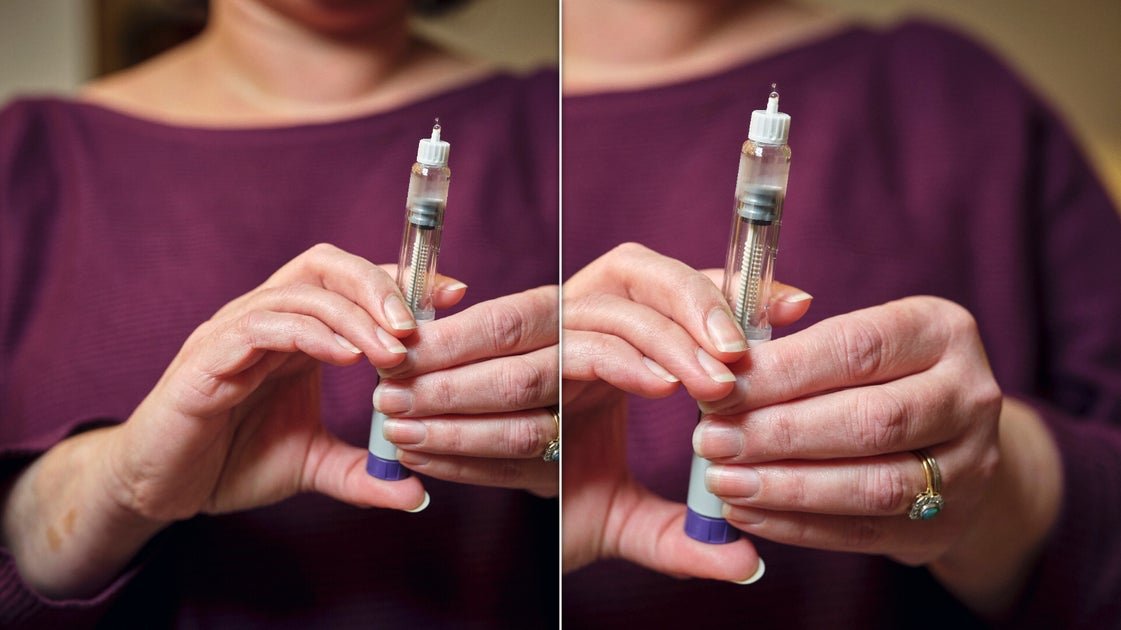
Women who were prescribed a GLP-1 had a roughly 30% lower risk of breast cancer.
GLP-1 medications help facilitate weight loss, and obesity is a cancer risk factor.
Exactly why and how GLP-1 medications lower breast cancer risk is not fully understood, but experts have theories.
Obesity is a breast cancer risk factor, which means maintaining a healthy weight can help reduce the possibility of developing cancer. Specifically, being overweight post-menopause is a risk factor for breast cancer. In the U.S., the average age of menopause is 52, which is within the age range of study participants.
GLP-1s also reduce inflammation in the body, and there is a suspected link between inflammation and breast cancer, according to the Penn Medicine press release.
Additional breast cancer risk factors include older age, having dense breasts, certain genetic mutations such as the BRCA mutation, family history, alcohol consumption and lack of physical activity.
Knowing the signs of breast cancer and recommended screening guidelines can help you monitor your health.
The signs of breast cancer can be vague and aren’t always easy to notice, but they are important to know.
Common signs of breast cancer include a lump in the breast or armpit, dimpling of the skin, changes to the nipple, nipple discharge and changes to the skin of your breast. If you notice anything concerning, it’s worth telling your doctor.
While certain factors are out of your control, there are steps you can take to reduce your risk as much as possible, such as maintaining a healthy diet, a healthy weight and an exercise regimen.
It’s also important to adhere to breast cancer screening guidelines, which can help your doctor catch cancer as early as possible. The most-used screening test is a mammogram, which is an X-ray of the breast. For people of average breast cancer risk, mammograms start at 40.
Those at a higher risk of breast cancer are often eligible for mammograms, along with additional screening tests, before age 40. If you are at heightened risk or notice any concerning symptoms, your doctor can help decipher the best screening schedule for you.
