
Close Menu
Fit and Healthy Weight

    Subscribe to Updates

    Get the latest creative news from FooBar about art, design and business.

    What's Hot

    Kamal Elgargni Says He May Split From Andrew Jacked Over Coaching Pay Dispute

    May 16, 2026

    Wall Exercises for Balance After 60: 4 Expert Picks

    May 16, 2026

    Adrien Nunez is Two Steppin’ into Longevity

    May 16, 2026
    Facebook X (Twitter) Instagram
    Facebook X (Twitter) Instagram
    Fit and Healthy Weight
    Saturday, May 16
    • Home
    • Diet
    • Mindset
    • Recipes
    • Reviews
    • Stories
    • Supplements
    • Tips
    • Workouts
    Fit and Healthy Weight
    Home»Tips»How Much Potassium Do You Need Daily To Lower Blood Pressure?
    Tips

    How Much Potassium Do You Need Daily To Lower Blood Pressure?

    By January 15, 2026No Comments3 Mins Read
    Share Facebook Twitter Pinterest LinkedIn Tumblr Reddit Telegram Email
    How Much Potassium Do You Need Daily To Lower Blood Pressure?
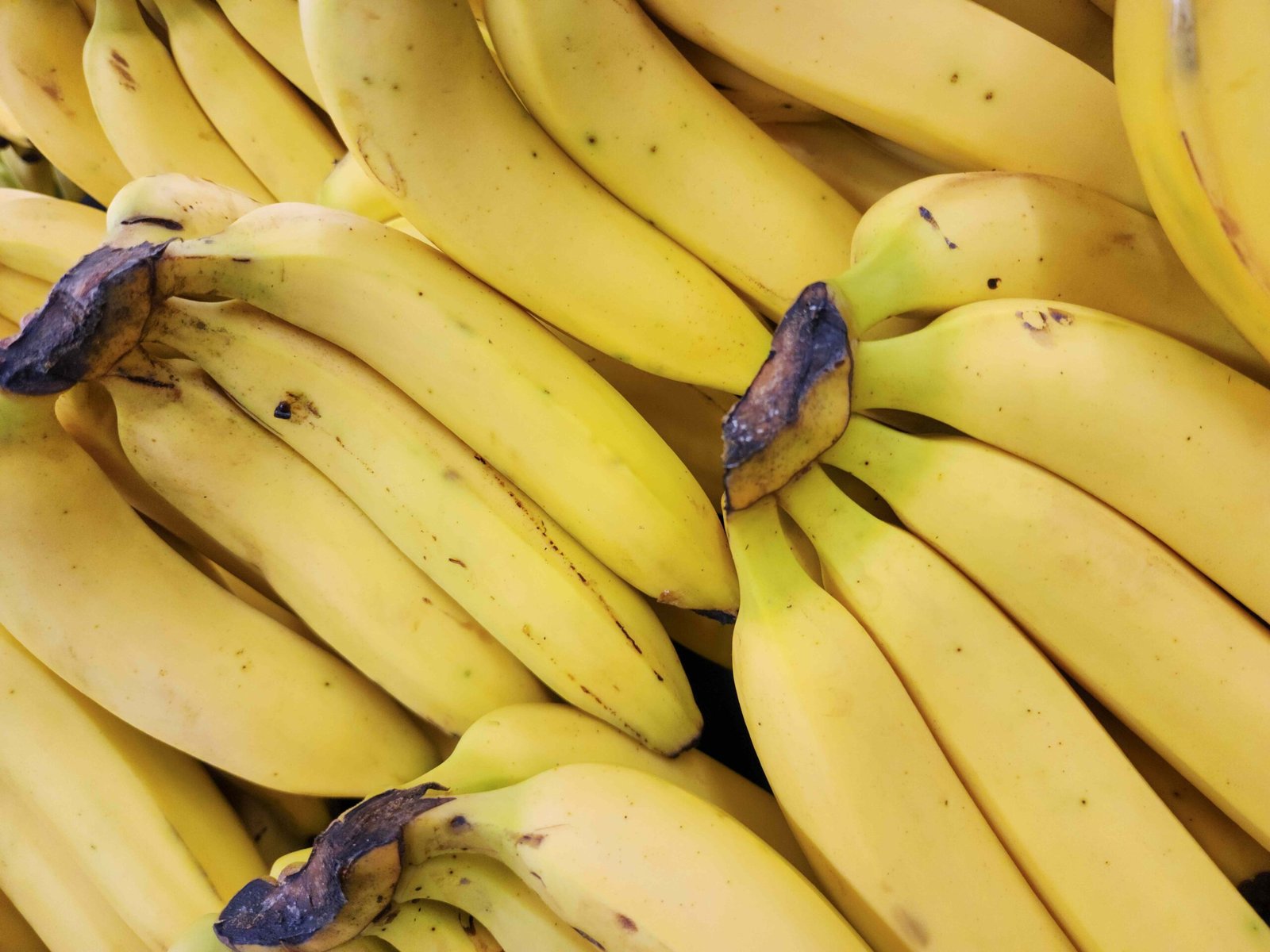
    It's best if the potassium comes from food. Bananas are one type of food high in the nutrient.

    Kryssia Campos / Getty Images

    Share
    Facebook Twitter LinkedIn Pinterest Email


    Most adults need about 3,500-5,000 milligrams of potassium per day to help lower or manage blood pressure. Potassium works best when it comes from food, especially for people with high blood pressure or high sodium intake.

    Potassium is found in many everyday foods, making it easy to meet your needs through your diet. Fruits and vegetables are some of the best sources. This includes:

    • Tomatoes: 523 milligrams (mg) in 1 cup of a ripe, cooked red tomato
    • Potatoes: 413 mg in 100 grams of a raw potato with the skin on
    • Squash: 406 mg in 1 cup of cubed raw winter squash
    • Bananas: 375 mg in a ripe or slightly ripe banana
    • Prunes: 347.5 mg in five prunes
    • Apricots: 323 mg in a typical serving of 140 grams
    • Oranges: 232 mg in an average-sized orange
    • Spinach: 287 mg in a half cup of cooked spinach

    Beans and lentils are also high in potassium, as are dairy foods like milk and yogurt. Fish, poultry, and meats provide potassium too, along with nuts and seeds.

    Whole-grain foods like brown rice and whole-wheat bread contain more potassium than refined versions. These foods also provide fiber and other nutrients that support heart health.

    Potassium supplements may help lower blood pressure for some people, but they aren’t the first choice for most adults. It’s preferred that potassium comes from food. Still, a healthcare provider may suggest a low- to moderate-dose potassium supplement if dietary intake isn’t enough.

    Some studies suggest potassium supplements can lower blood pressure, particularly in people with high blood pressure. But results are mixed, and supplements don’t always provide the same benefits as potassium from food. 

    Potassium can lower blood pressure mainly by helping the body get rid of excess sodium. Sodium causes the body to hold on to water, which raises blood pressure. Potassium works in the opposite way. It signals the kidneys to release more sodium into the urine. When more sodium leaves the body, extra fluid follows, which helps lower blood pressure.

    This effect is especially important for people who eat foods high in sodium or are “salt sensitive,” meaning their blood pressure rises easily with sodium intake. Higher potassium intake can help balance fluid levels in the blood and supports normal kidney function. Research shows that when potassium intake is higher, the kidneys reduce sodium reabsorption more effectively, even if sodium intake is high.

    Potassium also relaxed blood vessels, which lowers blood pressure.

    Too much potassium can be dangerous for some people. High potassium levels in the blood is called hyperkalemia. This happens when the body can’t remove excess potassium, most often due to kidney disease. Healthy kidneys filter extra potassium into the urine, but damaged kidneys may allow potassium to build up in the bloodstream.

    People with kidney disease, those on dialysis, or people taking blood pressure medications should talk with a healthcare provider before increasing potassium intake or using salt substitutes that contain potassium.

    • Take note of how much potassium you’re getting in your diet.
    • Talk with your healthcare provider about your potassium needs and the safest ways to boost your intake.
    • Monitor for signs and symptoms of too much potassium—which could include muscle weakness, nausea, unusual heartbeats, and chest pain—and contact your healthcare provider right away if you notice any symptoms.
    Blood Daily Potassium Pressure
    Share. Facebook Twitter Pinterest LinkedIn Tumblr Email
    Previous ArticleMultitasking, Productivity, and Brain Health
    Next Article 7 Breads That Are Just as Healthy as Sourdough, According to Dietitians

      Related Posts

      Reviews

      5 Daily Exercises To Build Arm Strength After 55

      May 12, 2026
      Reviews

      4 Daily Leg Exercises To Improve Balance After 60

      May 10, 2026
      Reviews

      6 Daily Exercises That Rebuild Muscle Mass After 60

      May 8, 2026
      Add A Comment
      Leave A Reply Cancel Reply

      Top Posts

      New Research Shows Eggs Don’t Raise Your Cholesterol—But Here’s What Does

      August 1, 20256 Views

      6 Best Weightlifting Belts of 2025, According to Trainers

      July 3, 20255 Views

      Which Is Better for Sleep?

      February 7, 20263 Views
      Stay In Touch
      • Facebook
      • YouTube
      • TikTok
      • WhatsApp
      • Twitter
      • Instagram
      Latest Reviews
      Tips

      When Is the Best Time to Eat Dinner for Your Health?

      adminJuly 1, 2025
      Diet

      This Intermittent Fasting Method Outperformed the Rest—But There’s a Catch

      adminJuly 1, 2025
      Workouts

      ‘Neckzilla’ Rubel Mosquera Qualifies for 2025 Mr. Olympia After Flex Weekend Italy Pro Win

      adminJuly 1, 2025

      Subscribe to Updates

      Get the latest tech news from FooBar about tech, design and biz.

      Most Popular

      When Is the Best Time to Eat Dinner for Your Health?

      July 1, 20250 Views

      This Intermittent Fasting Method Outperformed the Rest—But There’s a Catch

      July 1, 20250 Views

      Signs, Identification, Impact, and More

      July 1, 20250 Views
      Our Picks

      Kamal Elgargni Says He May Split From Andrew Jacked Over Coaching Pay Dispute

      May 16, 2026

      Wall Exercises for Balance After 60: 4 Expert Picks

      May 16, 2026

      Adrien Nunez is Two Steppin’ into Longevity

      May 16, 2026
      Recent Posts
      • Kamal Elgargni Says He May Split From Andrew Jacked Over Coaching Pay Dispute
      • Wall Exercises for Balance After 60: 4 Expert Picks
      • Adrien Nunez is Two Steppin’ into Longevity
      • Wait, Is That Poison Ivy? A Quiz.
      • Chair Exercises To Restore Glute Strength After 60
      Facebook X (Twitter) Instagram Pinterest
      • About Us
      • Contact Us
      • Disclaimer
      • Privacy Policy
      • Terms and Conditions
      © 2025 Fit and Healthy Weight. Designed by Pro.

      Type above and press Enter to search. Press Esc to cancel.