

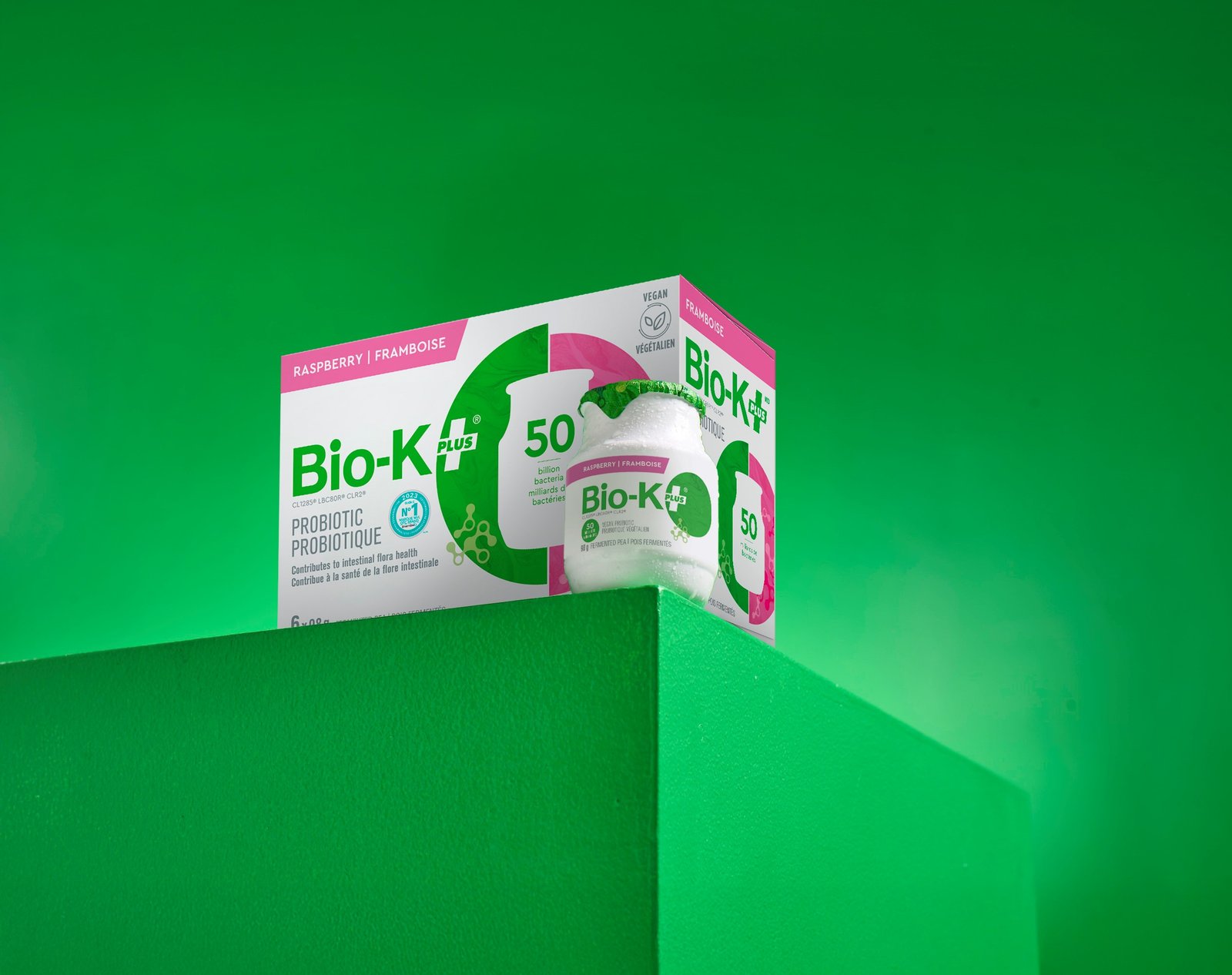
Bio-K+ (Laval, QC, Canada) announced findings from an ongoing clinical research initiative exploring the role of the gut microbiome in children living with autism spectrum disorder (ASD).
Conducted in collaboration with CHU Sainte-Justine Research Centre in Montreal and supported by the Canadian Institutes of Health Research (CIHR), the work contributes to growing research on the gut-brain axis—the bidirectional connection between the gut microbiome and brain function.
Initial findings demonstrated daily consumption of a raspberry-flavored vegan Bio-K+ drinkable probiotic supplement by neurodivergent children was safe and well tolerated. Preliminary observations also suggested potential improvements in gastrointestinal (GI) symptoms, ASD-related behaviors and sleep patterns.
According to researchers, some observed improvements diminished after discontinuation, suggesting a potential link between ongoing microbiome support and sustained benefits. Parents also reported positive changes in appetite, sleep and overall well-being.
While the findings are encouraging, the pilot study was designed to assess feasibility and generate preliminary insights. Larger, placebo-controlled trials are needed to confirm efficacy. Additional research is in progress and will evaluate the impact of Bio-K+ on behaviors, GI symptoms, brain functions, sleep profile, fecal microbiome and metabolome, and blood chemistry in neurodivergent children.
“These findings contribute to an evolving understanding of the gut-brain connection and highlight the importance of continued research in this area,” said Mathieu Millette, PhD, scientific director of Bio-K+. “Up to 80 percent of neurodivergent children diagnosed with ASD experience significant GI challenges, underscoring the importance of exploring the microbiome’s role in their quality of life. The emerging evidence around Bio-K+ is promising and may help guide future approaches to supporting these children and their families.”
For more information, visit www.biokplus.com.
