

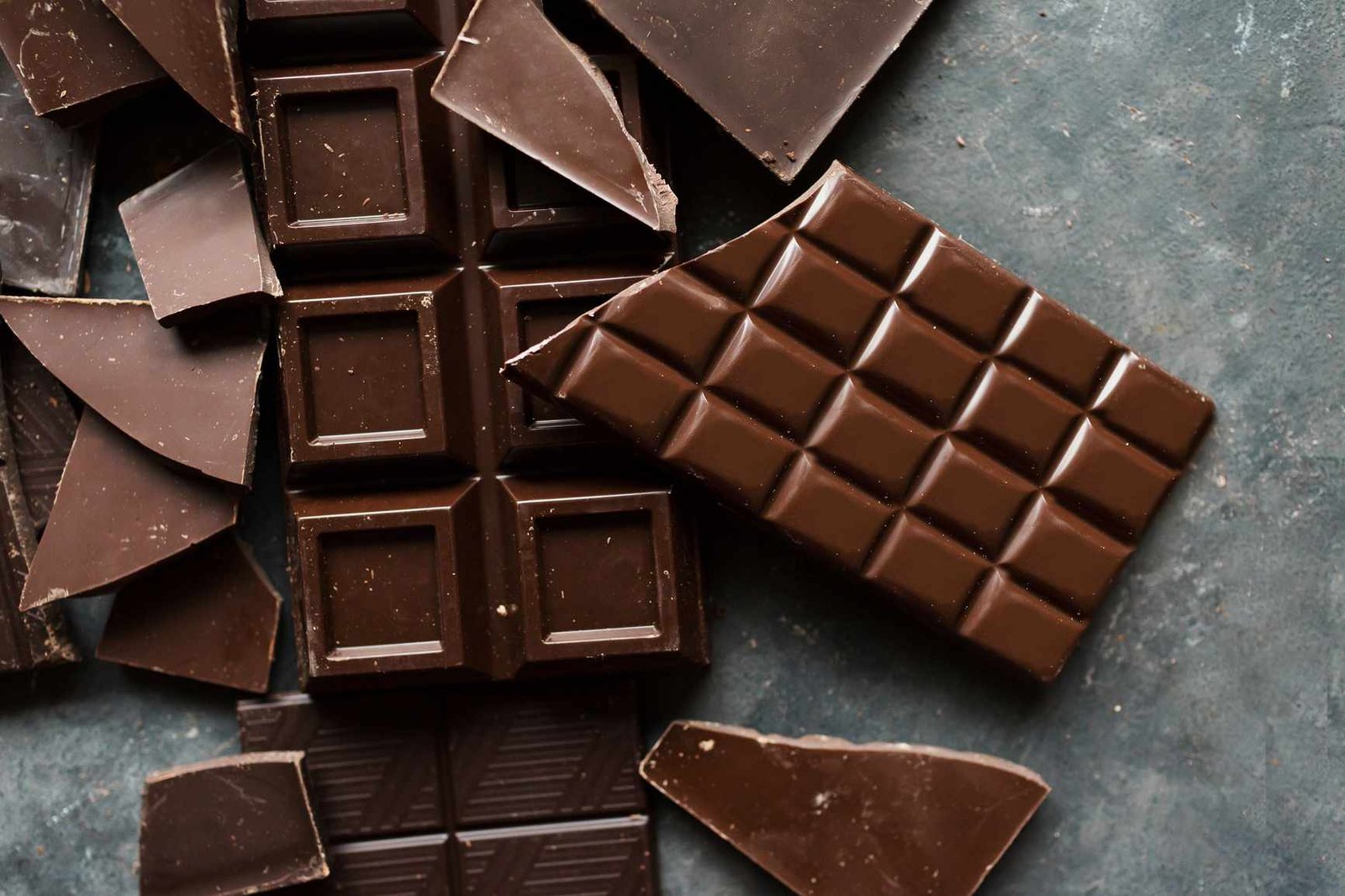
Dark chocolate can be a heathly snack option. Here are nine things to keep in mind when choosing a dark chocolate product to make sure the candy is as healthy as possible.
The higher the cocoa percentage, the healthier the chocolate bar. More cocoa (at least 70%) means there’s less room for additives like sugar or other flavorings.
Higher cocoa levels also mean more nutrients like fiber, iron, and magnesium are in the bar.
You’ll be hard-pressed to find even a dark chocolate bar with zero grams of added sugar. “Even dark chocolate can be a sugar bomb in disguise,” Missy Chase Lapine, a New York Times bestselling cookbook author, Harvard-trained culinary medicine coach, and co-founder of Heal Thru Food, told Health. But the less sugar, the better.
Looking for a threshold? Aim for 8 grams of sugar or less per serving. Another option is to choose brands that use refined sugar alternatives like coconut sugar or dates.
The first thing on the ingredient list should be cocoa.
Other additives—like high fructose corn syrup, aspartame, sucralose, or even soy lecithin (an emulsifier)—aren’t necessary and will only reduce the chocolate’s nutritional value.
“Some of the best bars have just two or three ingredients—cocoa, cocoa butter, and maybe a touch of sweetener or vanilla. The shorter the list, the more likely you’re getting real-deal chocolate and not a processed impostor,” Maegan Ratliff, MA, RD, founder of Mae’d Wellness, told Health.
Some chocolates contain small amounts of cadmium and lead, and dark chocolate tends to be the bigger offender.
There’s no real way to make sure your chocolate is heavy metal-free. Consider reducing your overall chocolate intake and sticking to the lower percentages (such as a 70% dark chocolate bar vs. an 80% one).
High-quality dark chocolate doesn’t typically contain milk, but some commercially-produced bars might. While milk may not affect the antioxidant content in chocolate, it is not a necessary ingredient, especially for those sensitive to milk.
Dark chocolate can actually be a good source of fiber. Just 1 ounce of 70–85% dark chocolate contains just over 3 grams of fiber.
Alkalized chocolate—also known as Dutch-processed chocolate—can give chocolate a smoother taste, but it can reduce the antioxidant and flavonol content in dark chocolate.
“If you’re eating dark chocolate for the health perks, skip anything that says processed with alkali,” Samantha Peterson, MS, RD, a holistic health expert and founder of Simply Wellness, told Health.
Caramel, nougat, and peanut butter are tasty but can drive up a chocolate bar’s sugar content and other additives. Try to stick to plain dark chocolate.
Cocoa is often grown in tropical regions with heavy pesticide use—but organic options can help reduce that toxic load.
“Look for that organic USDA seal or organic wording,” Peterson said.
Once you’ve chosen the healthiest chocolate bar for you, you’ll want to really savor it—here’s how:
- Let it melt in your mouth: This will enhance the flavor and make your treat last longer—it might even extend the release of feel-good chemicals like serotonin.
- Have a few squares at a time: That’s enough to still get the delicious taste without too much caffeine, sugar, or calories.
- Eat it mindfully: Pair a few squares with some fresh fruit, or make it into a nighttime wind-down ritual.
- Use it as a quick pick-me-up: Because of its mood-boosting potential, dark chocolate may help reduce stress levels.
