

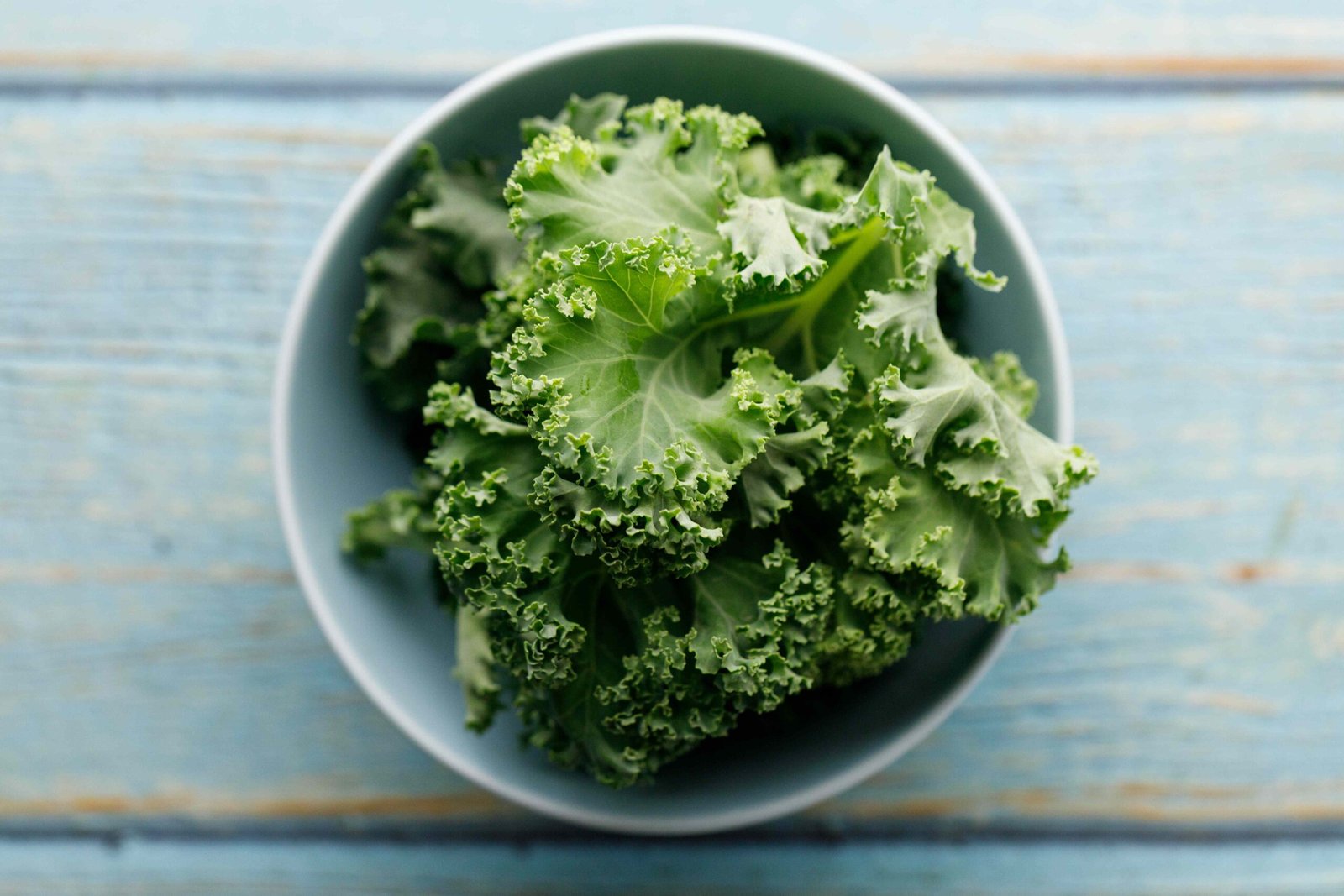
Kale is a nutritious, leafy vegetable often recognized as a good source of folate, an essential B vitamin. A 100-gram serving of kale (just under one cup cooked, or about five cups raw) contains 65 micrograms of folate. However, there are many other everyday foods that deliver significantly more folate per serving, making it easier to meet your daily folate goals.
Nature, food, landscape, travel / Getty Images
- Folate content: 181 micrograms in 100 grams (one-half cup) of cooked lentils
Like many other legumes, lentils are a rich source of folate. A full cup of cooked lentils provides 89% of the folate adults need each day.
Beyond folate, lentils are also a great source of:
- High-quality plant protein
- Dietary fiber
- Key minerals such as iron, potassium, and magnesium
This means lentils can support heart health, aid in blood sugar management, and provide antioxidant and anti-inflammatory benefits.
SarapulSar38 / Getty Images
- Folate content: 253 micrograms in 100 grams (3.5-ounce) of braised beef liver
Beef liver is one of the highest folate-containing animal foods—a typical serving contains over 60% of the recommended daily intake of folate for adults. It’s also packed with protein and delivers several essential micronutrients, including vitamin A, vitamin B12, and iron.
However, cooking diminishes the amount of folate in beef liver—particularly when it’s fried or grilled— so you may want to choose gentler cooking methods.
In general, beef liver is very nutrient-dense, so eat it in moderation or talk to your healthcare provider before incorporating it into your diet.
zefirchik06 / Getty Images
- Folate content: 194 micrograms in 100 grams (just over 3 cups) of raw spinach; 146 micrograms in 100 grams (just over one-half cup) of cooked spinach
Dark, leafy greens such as spinach and kale are great sources of folate. But spinach has over twice as much folate per serving as kale.
Spinach is also rich in minerals such as iron, potassium, and magnesium as well as antioxidant plant compounds called flavonoids and carotenoids which can help to support your overall health.
Laurie Ambrose / Getty Images
- Folate content: 149 micrograms in 100 grams (just over one-half cup) of cooked asparagus; 182 micrograms in 100 grams of raw asparagus
Asparagus is a nutrient-dense vegetable known for its unique, complex flavor. It’s a great source of folate, regardless of whether it’s cooked or uncooked.
Beyond folate, asparagus provides fiber along with a wide range of vitamins, including vitamins B, C, E, and K. Asparagus is also associated with beneficial antioxidant, anticancer, and anti-diabetic properties which can help to protect against several diseases.
Sanny11 / Getty Images
- Folate content: 108 micrograms in a 100-gram serving (just under a two-thirds cup) of cooked broccoli
Both cruciferous vegetables, broccoli and kale are both good sources of folate. However, broccoli has just a bit more when it’s cooked.
Interestingly, raw broccoli and kale have about the same amount of folate by weight.
Broccoli also provides fiber and a wide range of essential nutrients, including vitamins A, C, and K, as well as minerals like potassium and calcium. It also contains beneficial compounds such as sulforaphane and glucosinolates, which have been studied for their antioxidant, anti-inflammatory, and potential anticancer properties.
Danilo Oliver / Getty Images
- Folate content: 109 micrograms in 100 grams (a three-fourths cup) of raw beets; 80 micrograms in 100 grams of cooked beets
Beetroot is a vibrant, nutrient-dense vegetable. It provides around 20-25% of your daily folate needs per serving, depending on whether it’s eaten raw or cooked.
In addition to folate, beetroot is a good source of essential minerals and powerful antioxidants, including betalains, the natural pigments responsible for its deep red color. Betalains help protect cells and may even lower the risk of developing certain types of cancers.
Tatiana Sviridova / Getty Images
- Folate content: 130 micrograms in 100 grams (just over one-half cup) of cooked kidney beans
Kidney beans are a nutritious legume known for their high folate content—eating a full cup of cooked beans will provide nearly 58% of the recommended daily value for adults.
Additionally, kidney beans offer high-quality protein, fiber, and plant compounds such as phenolics, which provide antioxidant benefits. Because of this, kidney beans may help regulate blood sugar levels, support gut health, and lower heart disease risk.
Nungning20 / Getty Images
- Folate content: 208 micrograms in a 100-gram serving (just over a half-cup) of cooked black-eyed peas
Black-eyed peas, also known as cowpeas, are a folate-rich legume, offering significantly more folate than kale. In fact, one cup of cooked cowpeas provides 89% of the folate adults need each day.
These legumes are also rich in fiber and protein, as well as plant compounds that have been linked to antidiabetic, antimicrobial, and anticancer activity.
Folate is a water-soluble B vitamin that plays a crucial role in building DNA and other genetic material, dividing cells, and helping the body produce red blood cells. It’s especially important during pregnancy because it supports proper fetal growth and development.
People over the age of 14 need 400 micrograms of folate every day, but the recommendation jumps to 600 micrograms daily for those who are pregnant.
You can get folate from dietary supplements, where it’s in the form of folic acid (a synthetic form of folate). Folic acid is easier for your body to absorb than folate from food sources, so it can be helpful for people who need help boosting their levels.
But in general, getting folate from food is best since folate-rich foods also provide other nutrients that help support your health. Beyond seeking out foods high in folate, consider eating these foods raw to boost your levels—folate is sensitive to heat, so levels are usually lower in cooked foods than raw ones.
Some individuals process folic acid differently, so choosing a balance of whole foods and supplements may be beneficial. Talk to your healthcare provider if you’re concerned about your folate levels.
