

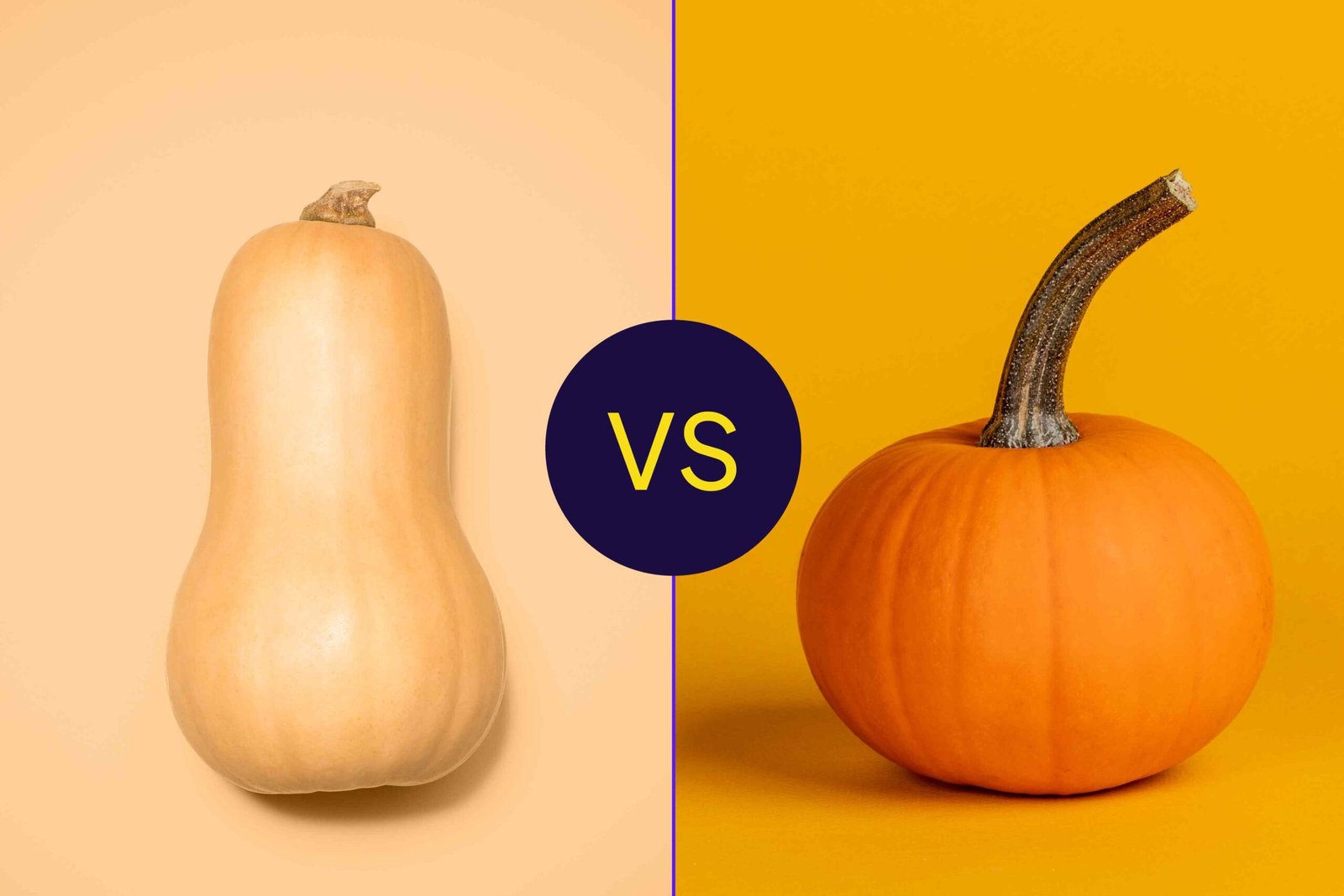
Butternut squash and pumpkin are both types of winter squash that are sweet and nutritious. But if you’re looking for more fiber and vitamin A, butternut squash is the clear winner
One cup of cooked butternut squash provides 6.6 grams of fiber, which is more than double the amount found in an equal serving of cooked pumpkin, at about 2.7 grams per cup.
Adults should aim to take in at least 28 grams of fiber per day to support health and prevent issues like constipation.
In addition to encouraging regular bowel movements and fueling the growth of beneficial bacteria in the digestive tract, fiber helps keep your “bad” LDL cholesterol levels in check. It promotes feelings of fullness after eating, which can help you maintain a healthy body weight.
A cup of butternut squash contains 61.5% more vitamin A than the same serving of pumpkin, making it a much better source.
Vitamin A plays important roles in vision, immune and cognitive function, and reproductive health. In plants, vitamin A is found as pro-vitamin A carotenoids, which your body converts into active forms of vitamin A. These carotenoids, like beta-carotene, have powerful anti-inflammatory and antioxidant properties and help protect cells against oxidative damage.
Consuming carotenoid-rich foods, such as butternut squash, may help protect against several common health conditions, including breast cancer and age-related macular degeneration (ARMD).
Here’s how one cup of cooked butternut squash and pumpkin compare:
Butternut squash
Pumpkin
Calories
82
44
Carbohydrates
21.5 grams (g)
10.6 g
Fiber
6.6 g
2.7 g
Protein
1.8 g
1.7 g
Vitamin A
1,140 micrograms (mcg)
706 mcg
Vitamin C
31 milligrams (mg)
11.5 mg
Vitamin E
2.64 mg
1.96 mg
Potassium
582 mg
564 mg
Magnesium
59 mg
22 mg
Overall, butternut squash is more nutritious than pumpkin. In addition to being higher in fiber and vitamin A, butternut squash is also richer in essential vitamins and minerals, including vitamin C, vitamin E, and magnesium.
Butternut squash packs over twice as much vitamin C as pumpkin. Vitamin C is a powerful antioxidant that protects against cellular damage. It’s also required for collagen production, immune function, and many more essential processes.
It’s also a better source of magnesium, needed for healthy blood sugar and blood pressure regulation, and of vitamin E, essential for immune, skin, and blood vessel health.
You want to include a variety of fruits and vegetables in your diet, including butternut squash and pumpkin. The “better” choice for you depends on your personal health goals, dietary and taste preferences, and cooking methods.
They’re both nutritious, but if your goal is to pack as many nutrients into a dish as possible, go for butternut squash. If you’re watching your carb intake, pumpkin is a better option, as it contains less than half the carbs of an equal serving of butternut squash.
Butternut squash has a sweeter, slightly nuttier flavor than pumpkin, which is milder and earthier. Pumpkin also has a stringier texture, while butternut squash is smoother when cooked.
Here are a few ways to incorporate butternut squash and pumpkin into your favorite recipes:
- Blend them up: Add cooked pumpkin or butternut squash to fall-themed smoothies.
- Bake or roast them: Make desserts like pies, cookies, and muffins with canned or cooked pumpkin, or roast butternut squash for a side dish.
- Make them the main meal: Cook up a savory pumpkin stew, add butternut squash to soups and grain dishes, or use them both in pasta sauces.
There are many ways to enjoy butternut squash and pumpkin in both sweet and savory dishes, so don’t be afraid to get creative with these fall favorites in your kitchen.
Health.com uses only high-quality sources, including peer-reviewed studies, to support the facts within our articles. Read our editorial process to learn more about how we fact-check and keep our content accurate, reliable, and trustworthy.
U.S. Department of Agriculture: FoodData Central. Pumpkin, cooked, boiled, drained, with salt.
U.S. Department of Agriculture: FoodData Central. Squash, winter, butternut, cooked, baked, without salt.
Akbar A, Shreenath AP. High fiber diet. In: StatPearls. StatPearls Publishing; 2025.
National Institutes of Health: Office of Dietary Supplements. Vitamin A.
Crupi P, Faienza MF, Naeem MY, Corbo F, Clodoveo ML, Muraglia M. Overview of the Potential Beneficial Effects of Carotenoids on Consumer Health and Well-Being. Antioxidants (Basel). 2023;12(5):1069. doi:10.3390/antiox12051069
Eisenhauer B, Natoli S, Liew G, Flood VM. Lutein and zeaxanthin-food sources, bioavailability, and dietary variety in age-related macular degeneration protection. Nutrients. 2017;9(2):120. doi:10.3390/nu902012
Peng C, Gao C, Lu D, et al. Circulating carotenoids and breast cancer among high-risk individuals. Am J Clin Nutr. 2020;113(3):525-533. doi:10.1093/ajcn/nqaa316
National Institutes of Health. Office of Dietary Supplements. Vitamin C.
National Institutes of Health: Office of Dietary Supplements. Vitamin E.
