

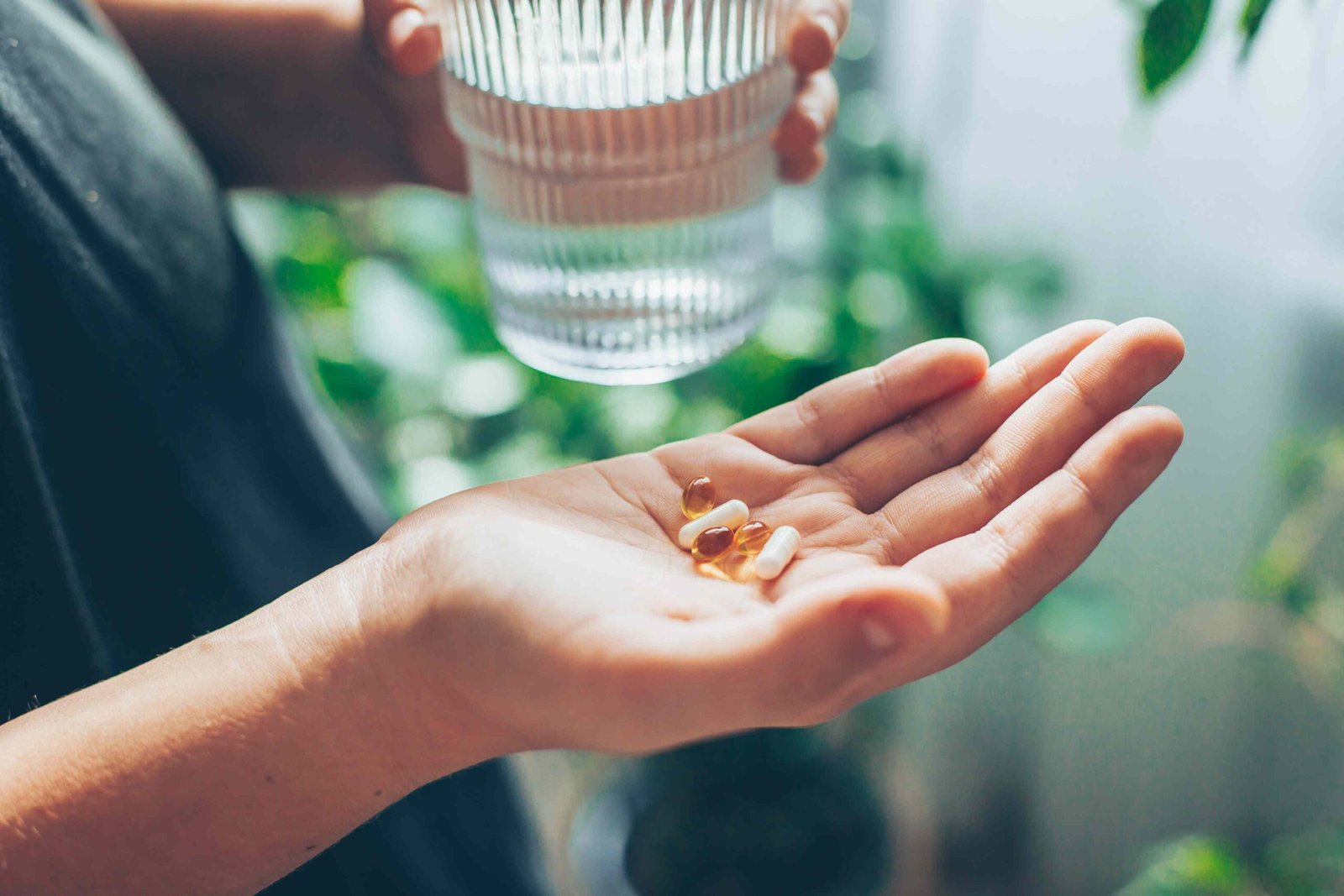
Iron and vitamin C are critical elements your body needs for a variety of functions. It can be beneficial to take these supplements at the same time, or as a combined pill, mainly because vitamin C helps your body absorb iron.
The main potential benefit of taking iron and vitamin C together is that vitamin C improves the absorption of non-heme iron, the type of iron found in plant foods like spinach. This may be particularly important for people who get most of their iron from non-meat sources. Non-heme iron isn’t as well absorbed as the heme iron found in animal products. Therefore, some people may find it difficult to get enough iron in their diet, especially people who menstruate.
Taking vitamin C with iron might be more effective at treating iron-deficiency anemia—a condition in which you don’t have enough healthy red blood cells—than taking iron alone. However, one 2020 randomized trial of over 400 people did not find that taking vitamin C with iron worked any better than taking iron alone.
Some people also benefit from taking both vitamin C and iron if they can’t get enough of either one through diet alone. For example, this might apply to someone with a medical condition that affects nutrient absorption.
Severe iron deficiency can lead to complications because iron plays important roles in physical growth and brain development. It also helps synthesize some hormones and support the immune system. Complications can be particularly problematic for children who have severe iron deficiency.
Taking extra iron might be beneficial if you have anemia due to iron deficiency. You can work with a healthcare provider to check your iron levels through blood tests and get advice on how much iron to take. For people who aren’t getting enough iron in their diet, taking iron via a daily multivitamin might also help prevent anemia.
Vitamin C has many important health benefits. It helps create the structural protein collagen, synthesize certain hormones, regulate some genes, support parts of the immune system, and protect against cellular damage as an antioxidant.
A severe vitamin C deficiency causes scurvy, a serious condition that can lead to symptoms like excess bleeding and brittle bones. Almost everyone gets enough vitamin C in their diet.
At higher doses, vitamin C may offer benefits such as:
- Improving immune health: Vitamin C helps regulate the immune system. Some studies have shown that taking vitamin C might help reduce the length of the common cold, but it’s not clear whether it’s beneficial.
- Reducing the risk of cardiovascular disease: A high intake of fruits and vegetables high in vitamin C is associated with a lower risk of cardiovascular disease. However, research hasn’t proven that vitamin C helps prevent cardiovascular disease or its complications, such as a heart attack.
- Preventing the progression of age-related macular degeneration: When taken with other antioxidants like vitamin E, supplemental vitamin C might help prevent the progression of age-related macular degeneration (a progressive eye disease that makes things blurry in the center of your vision).
Iron and vitamin C are most often taken as pills, but you can sometimes find them in other forms, like powders. You can take them as individual products, but some preparations combine them. Some multivitamins also contain iron and vitamin C, usually in low doses. Some people prefer to take their iron after eating because it may decrease the risk of an upset stomach.
If you take iron and vitamin C for anemia, it may take several weeks or longer until you start noticing improvement.
Dosage
There’s no known ideal dosage for taking iron and vitamin C together. Some products combine 20 milligrams (mg) of iron with 200 mg of vitamin C. Other products contain much higher doses of iron, which may not be safe for everyone.
People who menstruate lose blood and iron, so they need relatively more iron in their diet or a supplement. For example, the Recommended Dietary Allowance (RDA) for iron—including food sources and supplements—is:
- 8 mg after menopause
- 18 mg if you menstruate (younger than 51 years)
- 27 mg daily during pregnancy
Many over-the-counter (OTC) supplements with iron contain doses larger than the RDA for most people. Even some multivitamins may have more than the ideal amount of iron. The recommendation is no more than 45 mg of iron daily from food and supplements combined. You might need to take higher doses than this temporarily if you are deficient, or if you get most of your iron from non-animal foods. Therefore, taking vitamin C with iron might be beneficial.
For vitamin C, the RDA is 75-90 mg, though pregnant and breastfeeding people need slightly higher amounts. Because smoking can deplete levels of vitamin C, the RDA is 35 mg higher for people who smoke.
If you can’t get enough iron and vitamin C through your diet, taking both together is generally safe for most people. However, especially for iron, it’s best to work with a healthcare provider to make sure supplementation is the best choice. Iron toxicity is a risk, so avoid taking more than you need based on factors like age, sex, diet, and other medical conditions.
Vitamin C should be used cautiously in anyone with a blood disorder, like sickle cell disease, or by people who tend to get kidney stones. People with medical conditions that can lead to too much iron, like hemochromatosis, should not take extra iron.
If you are buying an OTC supplement, check the label for third-party testing, like from the USP or NSF. That helps ensure the product is safe and high-quality.
Potential Drug Interactions
Iron and vitamin C can both interact with certain drugs—typically decreasing a drug’s effectiveness or increasing the risk of side effects.
For example, you may not want to take extra vitamin C if you take statin drugs such as Zocor (simvastatin) to lower your cholesterol, because it may make these drugs less effective.
Vitamin C might also interact with cancer therapies, including radiation and chemotherapy. Some evidence indicates that vitamin C might make these treatments not work as well, although the data isn’t clear. Always discuss vitamin C supplementation with an oncologist (a medical doctor who specializes in cancer treatment), especially if you take or plan to take high doses.
Iron can interact with many drugs. Check with your healthcare provider or a pharmacist if you are taking one of the following, to see if you can use it safely:
- Drugs for Parkinson’s disease (e.g., Sinemet) that contain levodopa
- Levothyroxine, for hypothyroidism (underactive thyroid)
- Proton pump inhibitors (PPIs), such as Prilosec (omeprazole) for acid reflux
- Certain antibiotics, such as Sumycin (tetracycline) and Cipro (ciprofloxacin)
You might need to take these medications at a different time of day than your iron supplements.
Taking too much iron is a possibility, because many people already get enough in their diet, and your body can’t eliminate the excess easily. In contrast, it’s difficult to take too much vitamin C because your body is so efficient at removing it from your body if you take more than you need.
It’s possible to die from taking too much iron—for example, if a child accidentally ingests too much. An overdose can occur if you take too much iron at once or if you take more than you need for a prolonged period. Iron toxicity can also cause symptoms like liver damage, joint pain, and fatigue.
It’s not clear if taking iron with vitamin C changes side effects. However, vitamin C can sometimes cause diarrhea and bloating at higher doses. At extremely high doses, it might cause symptoms like headache, flushing, or nausea. High doses also increase the risk of kidney stones.
Iron is known for causing symptoms like nausea, abdominal pain, constipation, and nausea. Such side effects are more likely if you take higher doses.
