

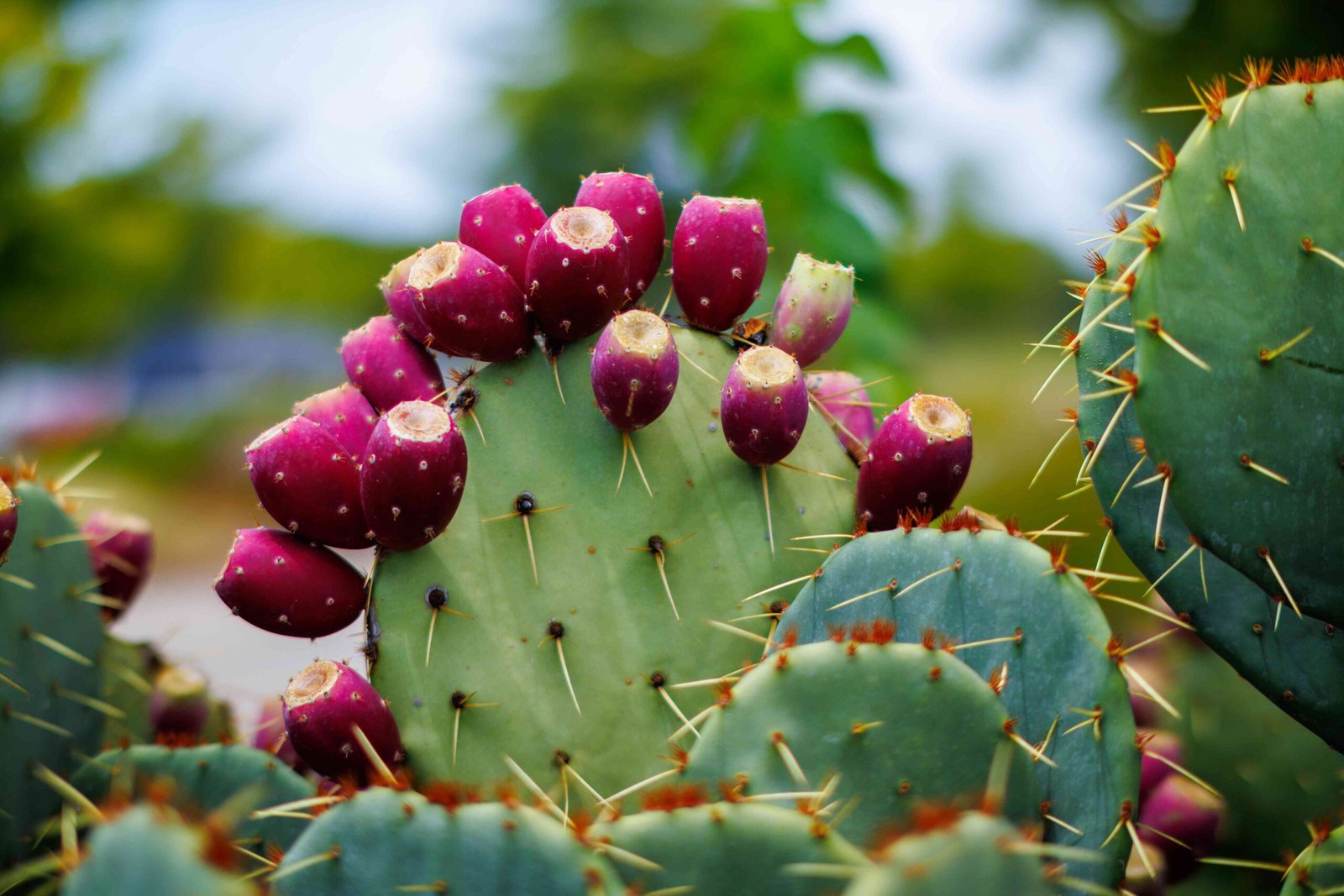
The health benefits of prickly pears (also known as cactus pear or barbary fig) include that they are highly nutritious and provide a variety of vitamins and minerals, plus powerful plant compounds with antioxidant and anti-inflammatory properties.
The fruit of the prickly pear plant is oval-shaped and typically grows between two and five inches in length. When ripe, the pulp has a sweet taste often described as melon- or berry-like.
Prickly pears contain vitamins, antioxidants, and plant pigments like carotenoids and betalains that may help reduce inflammation. Some research suggests consuming prickly pear may help reduce certain inflammatory markers.
A small study of 28 people found that consuming 200 grams of prickly pear fruit pulp twice a day for two weeks resulted in greater decreases in inflammatory markers than consuming the same amount of other fruits, including strawberries and apples, for the same time period.
In the same study, the prickly pear diet increased the participants’ skin carotenoid content, a marker of the body’s antioxidant status.
The anti-inflammatory effects of prickly pears may also benefit people with inflammation-related pain. A study that included 40 people experiencing joint pain found that, compared to a placebo group, people who drank three ounces of prickly pear juice daily for eight weeks:
- Had a better range of motion
- Relied less on pain medication
- Experienced lower pain levels
- Had greater reductions in inflammatory markers
Consuming prickly pear may help reduce heart disease risk factors, improve the heart’s response to exercise, and reduce the stress of intensive exercise on the heart.
A recent review of research found that the consumption of prickly pear fruit was associated with reductions in LDL cholesterol and total cholesterol levels.
A small study with 22 male athletes found that, compared to a control group, participants who consumed five ounces of prickly pear juice per day for two weeks had significant reductions in:
- Total cholesterol
- Triglycerides
- LDL cholesterol
- Maximal heart rate before and immediately after a physical fitness test
In the same study, the prickly pear group also experienced significant reductions in malondialdehyde (MDA), a marker of oxidative stress that typically increases after intense exercise.
Prickly pear is a good source of several vitamins and minerals commonly under-consumed in the United States.
For example, a one-cup serving of prickly pear fruit covers 7% of your daily potassium needs, a mineral most Americans don’t get enough of. Research suggests that fewer than 3% of Americans exceed the Daily Value (DV) for potassium, which is set at 4,700 milligrams per day.
Potassium is necessary for blood pressure regulation, muscle contraction, and other critical functions.
Prickly pear is also a concentrated source of vitamin C and magnesium, which play important roles in maintaining the health of the immune and nervous systems, skin, heart, and more. Both of these nutrients are low in many people’s diets, especially older adults.
A one-cup serving of raw prickly pear fruit contains:
- Calories: 61
- Carbs: 14.3 grams (g)
- Fiber: 5.4 g
- Protein: 1.1 g
- Fat: 0.76 g
- Vitamin C: 20.9 milligrams (mg) or 23% of the DV
- Copper: 0.119 mg or 13% of the DV
- Magnesium: 127 mg or 30% of the DV
- Potassium: 328 mg or 7% of the DV
Prickly pear is rich in vitamin C, magnesium, and copper and is a source of potassium. The fruit also contains smaller amounts of other nutrients, such as calcium and several B vitamins.
Prickly pear is a particularly concentrated source of magnesium, a mineral involved in several important processes in the body, such as blood pressure regulation and stress response. If your diet is low in magnesium, it could impact your health in several ways, such as increasing the risk of conditions like heart disease and anxiety.
The fruit is also a good source of fiber, which is important for digestive health, as well as a number of protective plant compounds, such as polyphenols, flavonoids, and betalains. These substances have antioxidant and anti-inflammatory properties and may help protect against cellular damage and reduce inflammatory markers.
Prickly pear fruits are safe to consume for most people. It’s important to peel the fruits before eating. Some prickly pear fruits are covered with spines, which are unsafe to consume.
Very rarely, there have been reports of fecal impaction (long-term constipation caused by poop stuck in your rectum) caused by consuming too many prickly pear seeds. Seek medical care if you experience severe constipation after eating large amounts of prickly pear seeds.
Prickly pears have a unique, sweet taste and can be enjoyed raw and cooked. You can also use prickly pears to make products like jams and juices. When eating fresh prickly pear, you can either swallow the seeds whole or spit them out.
Here are a few tips for consuming prickly pear:
- Add fresh prickly pear or prickly pear puree to yogurt parfaits and oatmeal.
- Add prickly pear puree or juice to baked goods, like muffins and cakes.
- Enjoy peeled prickly pears raw as a snack.
- Extract the juice from fresh prickly pears using a juicer or blender.
- Make a jam out of fresh or frozen prickly pears.
- Sprinkle chopped prickly pear over salads for a naturally sweet and unique topping.
- Use frozen prickly pears in smoothies for a unique flavor and boost of nutrition.
- Use prickly pear juice in marinades and salad dressings.
