

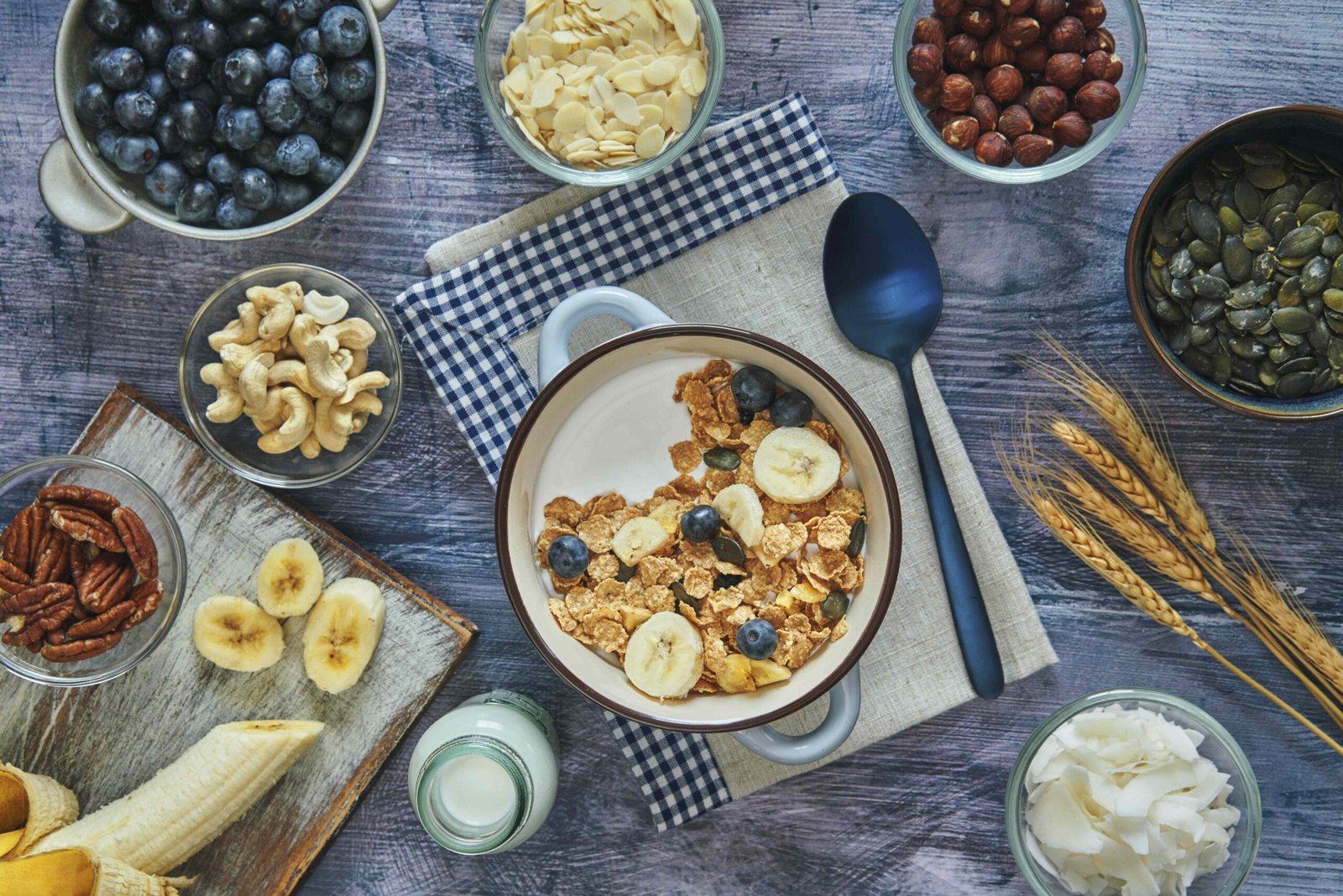
Your gut contains trillions of microbes, which serve many functions. Beneficial microbes, primarily bacteria, help with digestion, synthesize certain micronutrients, and support your immune system.
Microbes feed on what you eat, which is why your nutrition can play a crucial role in maintaining a healthy gut microbiome. Eating foods that nourish beneficial bacteria helps them grow and function. This also limits the food available for harmful bacteria, helping to curb their growth.
Regularly consuming whole grains and dietary fiber is linked to more beneficial bacteria in the gut.
Fiber comes in two types: soluble and insoluble. The bacteria in your gut break down soluble fiber, producing beneficial compounds and gases. Insoluble fiber doesn’t dissolve in water, but it helps soften stool and adds bulk, making it easier for food to move through your digestive system.
Foods high in fiber include, but are not limited to:
- Whole grains: Sorghum bran, bulgur, whole-wheat flour, oats, wild rice, and buckwheat
- Seeds: Flaxseeds, sunflower seeds, sesame seeds, and chia seeds
- Nuts: Almonds, hazelnuts, pistachios, and macadamia nuts
- Beans, peas, and lentils: Kidney beans, white beans, green peas, split peas, chickpeas, red lentils, and green lentils
- Vegetables: Onions, carrots, mushrooms, beets, Brussels sprouts, cabbage, summer squash, and artichokes
- Fruits and dried fruits: Peaches, oranges, apricots, blackberries, pomegranates, avocados, dried figs, and raisins
Bacteria in your gut can break down prebiotics and make compounds called short-chain fatty acids (SCFAs). SCFAs have many important roles, like keeping the pH level in your gut balanced, stopping harmful bacteria from growing, and helping with bowel movements.
Foods with prebiotics include but are not limited to:
- Onion
- Garlic
- Jerusalem artichoke
- Chicory
- Asparagus
- Banana
- Barley
- Wheat
- Rye
- Beans and peas
- Milk
Probiotics are living microorganisms that can colonize your gut and support your digestive health.
Some foods, like yogurt, are fermented with live bacteria. Probiotics can also be added to unfermented foods such as juices, smoothies, milk, cereals, and formulas.
Probiotic foods may also help treat digestive concerns like diarrhea or constipation. One study found that, in children taking antibiotics, those who received probiotic yogurt for five days had a significantly lower chance of developing antibiotic-associated diarrhea (AAD) than those who received standard care for five days.
However, a similar study showed no difference in AAD among adults who consumed probiotics versus regular yogurt.
Fermented foods, including sauerkraut, kombucha, tempeh, and yogurt, are either made with or contain live, active bacteria. These bacteria have probiotic effects if enough are present and if they can survive in your gastrointestinal (GI) tract.
However, not all fermented foods contain probiotics. Probiotics can be killed due to food processing, prolonged shelf life, and the acids and enzymes in your digestive system. Whether or not fermented foods contain live bacteria, they can still support your gut health because they contain compounds that bacteria produce while fermenting the food.
Fermented foods include but are not limited to:
- Yogurt
- Kimchi
- Kombucha
- Sauerkraut
- Miso
- Pickles
- Raw, unfiltered apple cider vinegar
Study highlight: A study gave participants 100 grams of fermented vegetables daily, 100 grams of pickled vegetables daily, or none for six weeks. After looking at participants’ blood and stool results before and after the intervention, the researchers concluded that daily consumption of 100 grams of fermented vegetables can improve the gut microbiome.
Cells in your gut are exposed to harmful compounds through internal and external sources. The buildup of these compounds can damage cells, impacting your gut microbiome and immune system. Antioxidants help your body get rid of these harmful compounds.
Vitamin C (an antioxidant vitamin) has been shown to improve the gut microbiome. In one study, participants were given 1,000 milligrams of vitamin C daily for two weeks. This significantly increased and decreased certain bacteria in favor of gut health.
Antioxidants can be found in fruits, vegetables, nuts, seeds, and whole grains.
Ultra-processed foods (UPFs) typically have lots of sugar, saturated fats, salt, and additives. When eaten in excess, they can harm the gut microbiome. UPFs include:
- Soft drinks
- Chips
- Cereals
- Cookies
- Premade meals
- Plant-based milk
- Flavored yogurts
Some people also avoid certain foods or food groups, such as grains, legumes, dairy, and certain vegetables or fruits, to eliminate digestive symptoms or improve gut health. However, it’s best to speak to a healthcare provider before making any drastic changes to your diet.
Avoiding certain foods or food groups long-term can cause nutritional deficiencies, reduced diversity of microbes (which is bad for gut health), and the loss of certain beneficial bacteria.
Consuming a healthy and balanced diet rich in fiber, prebiotics, probiotics, and antioxidants while limiting ultra-processed foods can support gut health and digestion.
Excluding certain foods or food groups is common, but it’s best to get the advice of a healthcare provider before making big changes to your diet.
