

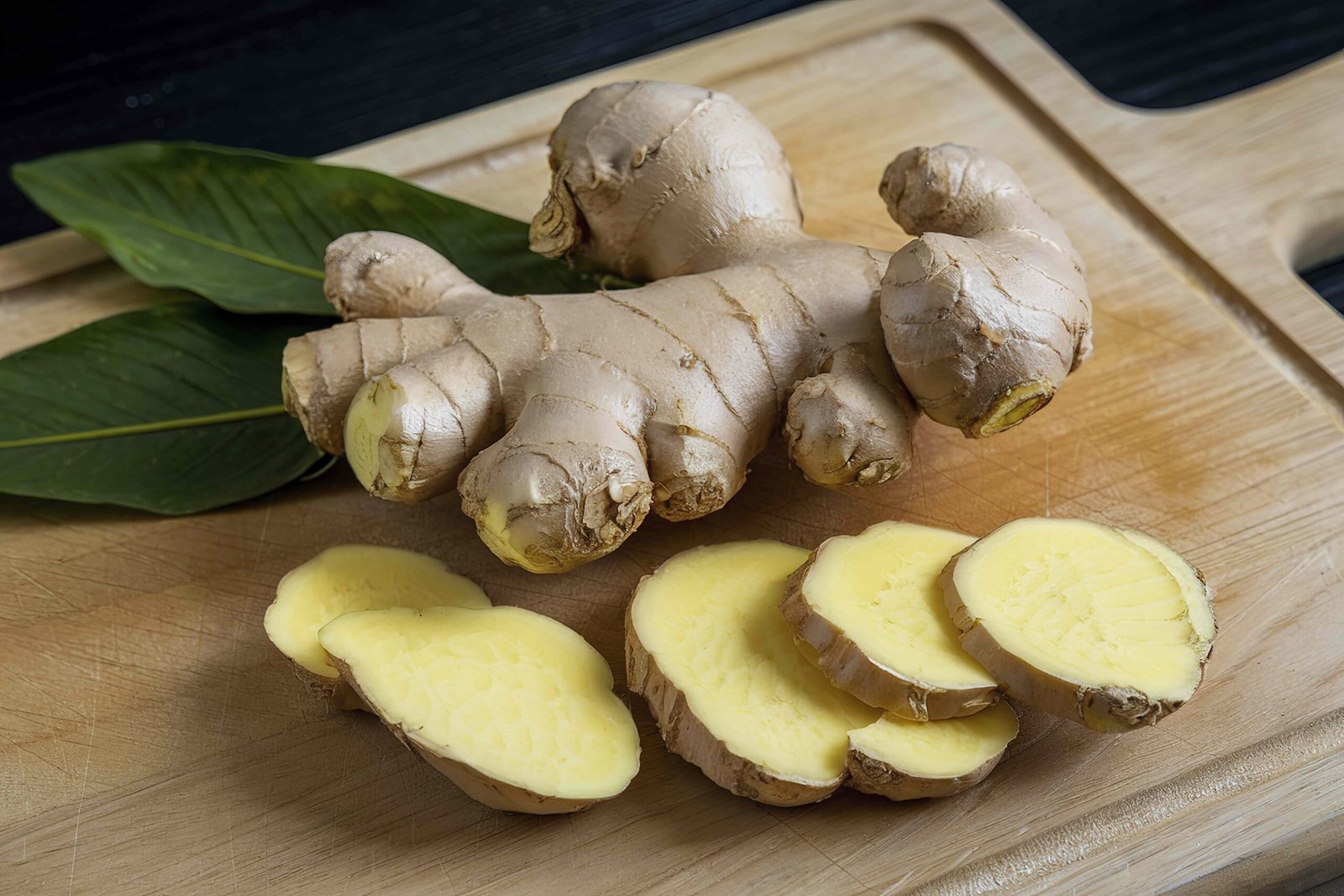
There’s no single best time to consume ginger for digestion or energy, but experts recommend having it shortly before or with a meal to maximize its potential benefits.
“Scientists haven’t studied ginger timing in a way that allows us to prescribe an exact schedule,” Jane Leverich, MS, RDN, a Denver-based registered dietitian and culinary nutrition expert, told Health. “That said, the best evidence we do have suggests that ginger is most effective when consumed shortly before or with a meal,” she added.
This is likely due to how ginger interacts with food and the digestive process. Studies suggest it may help relieve symptoms like nausea and bloating, and may also speed up gastric emptying—how quickly food moves from the stomach (however, the evidence for that is less conclusive).
Ginger “also has anti-inflammatory and antioxidant properties, which help calm the digestive system,” Meena Malhotra, MD, ABOM, ABIM, a functional and integrative medicine physician and medical director at Heal n Cure, told Health.
By potentially supporting digestion—and helping to regulate blood sugar, according to Malhotra—ginger can have an indirect effect on energy. “Having it with meals can help prevent blood sugar spikes and crashes, which is what often leads to feeling tired afterward,” she said.
“When people report feeling more energized after consuming ginger, it’s likely due to steadier blood sugar, improved digestion, or increased satiety—not because ginger acts as a stimulant,” Leverich agreed.
What and how much food you eat can influence ginger’s effectiveness, particularly when it comes to digestion.
Ginger may be particularly helpful when you’re having larger, high-fat or high-fiber meals, which move more slowly through the GI tract. “In these cases, ginger taken before or with the meal may be more effective, because it helps stimulate gut motility right when digestion begins,” Leverich said. “With smaller meals, the timing of ginger intake is likely less important.”
The type of ginger also matters. Fresh ginger contains higher levels of gingerols, the compounds responsible for the root’s digestive, antioxidant, and anti-inflammatory benefits. When ginger is dried or heated, some gingerols convert into shogaols, which are more concentrated in this form. Shogaols also have biological activity, including anti-inflammatory and anti-nausea effects, but they don’t appear to influence gastric emptying as much as gingerols, Leverich noted.
“If your goal is to support digestion and reduce post-meal fullness or bloating, fresh ginger or ginger tea made from fresh root may be the better choice, while ground or dried ginger can still be useful for general comfort or nausea relief,” she said.
