

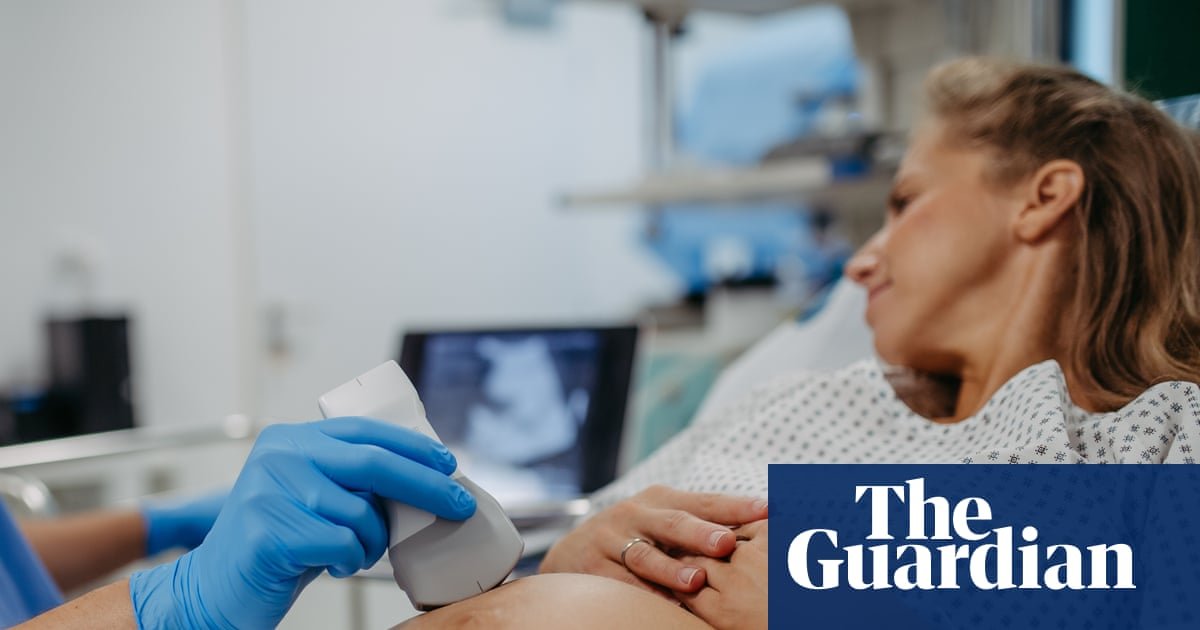
Pregnant women in England are at growing risk of suffering a serious injury while giving birth, NHS figures reveal.
The number of mothers sustaining a third- or fourth-degree perineal tear while delivering their baby has risen from 25 in 1,000 in June 2020 to 29 in 1,000 in June this year – a 16% increase.
Such injuries can have a “life-changing” impact on women’s physical and mental health, cause post-traumatic stress disorder and leave them afraid to have another child.
Childbirth experts linked the rise in the most serious forms of tear to poor NHS care, understaffing in NHS maternity units and mothers getting older and larger.
Women are also being put in danger because hospitals do not always properly establish the risk of suffering a tear using an assessment method recommended by obstetricians, midwives and MPs.
“Behind these figures are heartbreaking stories of women suffering unimaginable trauma at a moment that should be full of joy,” said Helen Morgan, the Liberal Democrat health spokesperson, who obtained the NHS England figures from the House of Commons library.
“The Conservatives’ neglect of maternity services was unforgivable, putting mothers and babies under threat. But Labour risks kicking action on this problem into the long grass.”
The figures mean that almost 3% of all women who gave birth in England suffered a serious tear. Such injuries damage the woman’s anal sphincter and cause long-term pain, birth trauma and incontinence.
The disclosure of the rise comes after huge concern about the poor quality of NHS maternity care prompted Wes Streeting, the health secretary, to launch an inquiry into maternity and neonatal care and set up a taskforce to recommend improvements.
Poor identification and treatment of third- and fourth-degree tears are among the mistakes that NHS staff make that help explain why errors in maternity care cost the service more than £1bn a year.
For example, University Hospitals Sussex NHS trust in August agreed to pay £500,000 in damages to a woman who suffered lifelong damage after her fourth-degree tear was wrongly diagnosed as a second-degree tear when she gave birth at the Princess Royal hospital in Haywards Heath in August 2021.
That misdiagnosis meant that the unnamed woman developed a rectovaginal fistula and was left with difficulties toileting, sexual dysfunction and PTSD, which affected her relationships with her baby, family and friends and meant she was unable to return to work full-time.
Third- and fourth-degree tears are known in the NHS as “obstetric anal sphincter injuries” (OASI) because they involve the perineum and anal sphincter or, with fourth-degree tears, the rectum too.
Chloe Oliver, the chief executive of the birth injury charity Mothers with Anal Sphincter Injuries in Childbirth, said: “OASI injuries are more common with a prolonged second stage of labour, in first time mums, [when] a baby is back to back, a forceps delivery, if a baby has a birthweight greater than 4kg and if the mother is of Asian ethnicity.”
skip past newsletter promotion
Get the day’s headlines and highlights emailed direct to you every morning
Privacy Notice: Newsletters may contain information about charities, online ads, and content funded by outside parties. If you do not have an account, we will create a guest account for you on theguardian.com to send you this newsletter. You can complete full registration at any time. For more information about how we use your data see our Privacy Policy. We use Google reCaptcha to protect our website and the Google Privacy Policy and Terms of Service apply.
after newsletter promotion
Tears are also more likely when doctors use forceps or a ventouse suction device to help get the baby out.
Oliver added: “OASI injuries are life-changing and can have a devastating impact on quality of life. Symptoms can include: pelvic pain; difficulty controlling urine, faeces and wind; problems with bonding and establishing breastfeeding; psychosexual dysfunction; relationship or career breakdown; and mental health problems, including postnatal depression, anxiety, PTSD and secondary tokophobia, a fear of another pregnancy and birth.”
The recent National Maternity and Perinatal Audit report found that 3.29% of women who gave birth vaginally in England, Scotland and Wales in 2023 suffered a perineal tear of some sort.
Dr Ranee Thakar, the president of the Royal College of Obstetricians and Gynaecologists (RCOG), said: “For most women, tears are relatively minor and heal quickly. However, if a woman experiences a deeper tear, known as a third- or fourth-degree tear, this needs to be repaired in an operating theatre and their recovery will take longer.”
All maternity units should use the “OASI care bundle” which the RCOG helped devise in order to assess the risk that a mother-to-be might suffer a tear, she added. However, this does not always happen, experts said.
A Department of Health and Social Care spokesperson said: “Childbirth can be an incredible moment in a woman’s life, but suffering from injuries, including perineal tears, can leave mothers deeply traumatised.
“This government inherited a failing system of maternity care which is why we opened the rapid national maternity investigation, are setting up a national taskforce and continue to put in place perinatal pelvic health services to reduce the rates of perineal tears.”
