

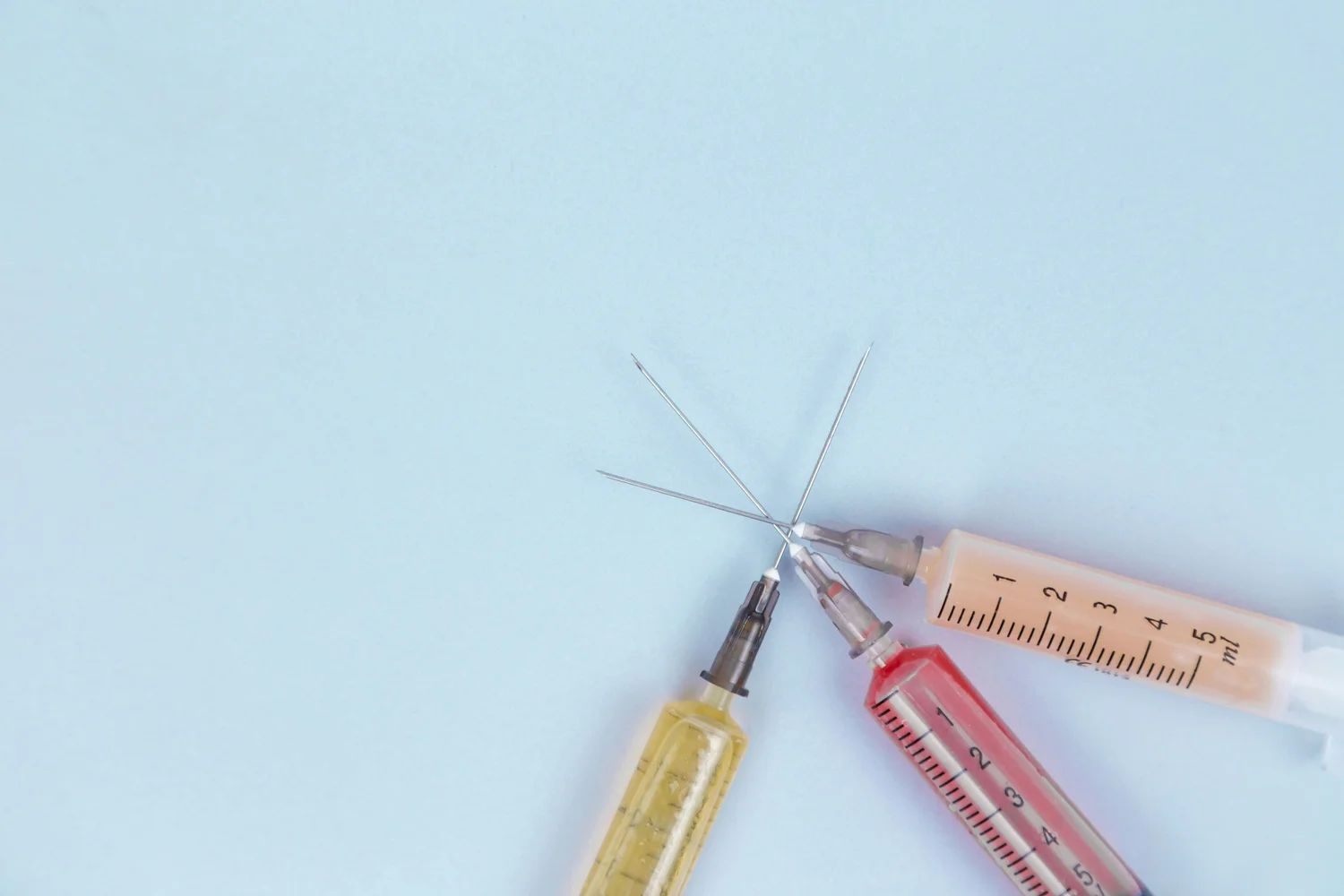
Why Are GLP-1 Medications Like Ozempic and Wegovy Everywhere?
It feels like every scroll through Instagram, podcast episode, or doctor’s visit comes with one of these names: Ozempic, Wegovy, Zepbound. These medications – technically GLP-1 receptor agonists like semaglutide and tirzepatide – were originally developed to help manage diabetes by regulating blood sugar.
But researchers noticed a side effect: significant weight loss. In fact, some studies show up to an 18% reduction in body weight. By 2021, Wegovy was FDA-approved for weight loss in adults with a BMI over 30, or 27 with certain health conditions.
Here’s the catch: not everyone taking these drugs fits that criteria. Off-label prescribing is rising quickly, fueled by telehealth and demand for quick results. While some see this as groundbreaking, others – like the American College of Lifestyle Medicine – are raising concerns.
GLP-1 Medications and Intuitive Eating: Body Trust vs. Body Distrust
If you’re working on intuitive eating or trying to heal your relationship with food, you might be wondering: Where do these medications fit?
Here’s the honest answer: it’s complicated.
GLP-1s can create what some call “less food noise,” but they can also silence your natural hunger and fullness cues. That might feel like relief at first – but it risks separating you from your body’s internal wisdom.
Some people on GLP-1s describe peace from constant food thoughts. Others find it unsettling to lose hunger cues altogether – or they fear what will happen if they stop the medication and the weight comes back. This uncertainty can reinforce body distrust and fuel diet culture’s old narrative that “smaller is always better.”
Risks and Side Effects of GLP-1 Medications
Like any medication, GLP-1s come with risks. The most common include:
Nausea
Constipation
Vomiting
Diarrhea
More serious risks can include pancreatitis, gallbladder problems, and kidney injury.
And here’s something not often talked about: up to 40% of weight lost on these medications can be muscle. Without enough protein and strength training, that can increase the risk of sarcopenia (muscle loss), especially in older adults.
The other unknown? Long-term health outcomes. Because these drugs are relatively new in the weight-loss world, we don’t have decades of data yet. What we do know: when people stop taking them, most regain the weight – sometimes quickly. That cycle of weight loss and regain, called weight cycling, can take a toll on both physical and mental health.
