

Sea kelp is a type of seaweed that has been a staple in Asian cuisine for centuries and is gaining popularity in Western diets. Valued for its unique flavor and nutrient-rich profile, kelp is a natural source of essential vitamins, minerals, and antioxidants. While it offers a range of potential health benefits, it’s also important to be aware of the potential side effects, as kelp can be very high in iodine and may contain heavy metals like arsenic.
What Is Kelp? Kelp is a large, brown seaweed that grows in shallow, nutrient-rich coastal waters around the world, often forming vast “kelp forests.” Giant canopies of kelp provide shelter and nutrition to a variety of marine life, according to the National Ocean Service . Kelp, like other types of seaweeds, absorbs nutrients directly from the surrounding seawater, making it naturally high in various nutrients and minerals. According to the National Oceanic and Atmospheric Administration , seaweed farming is the fastest-growing aquaculture sector. The largest kelp farm in North America is located off southeastern Alaska.
Health Benefits of Sea Kelp Sea kelp is considered to have many positive health benefits. Here’s why: It’s Low in Calories Kelp is a very low-calorie food packed with nutrients. A 3.5-ounce serving of raw kelp contains just 41 calories, according to the U.S. Department of Agriculture (USDA) . Eating nutrient-dense, low-calorie plant foods is a key component of a healthy diet and may help reduce the risk of chronic diseases, including heart disease, Harvard Health Publishing notes. It’s a Powerhouse of Minerals Because it absorbs the nutrients from its surrounding saltwater environment, kelp is rich in minerals, including: Calcium: Calcium is essential for bone health, muscle function, and nerve signaling, according to the National Institutes of Health (NIH) Office of Dietary Supplements (ODS) . The USDA says that one serving of kelp provides 168 milligrams (mg) of calcium. This is more than many land-based vegetables, including kale and collard greens, according to the University of California San Francisco Medical Center . Magnesium: Magnesium plays a crucial role in muscle and nerve function, blood sugar control, and blood pressure regulation, according to ODS . Kelp contains 121 mg, 29 percent DV, per serving. Iron: Iron is necessary for creating red blood cells and transporting oxygen throughout the body, according to the Office of Dietary Supplements . Kelp boasts 2.8 mg, 16 percent DV, per serving, according to the USDA. Other Minerals: Kelp also contains potassium, sodium, zinc, and manganese, all of which contribute to overall health. It’s a Good Source of Vitamins: Kelp is an excellent source of several vitamins, including: Vitamin K: Kelp supplies 55 percent of the daily value per serving, according to the USDA. Vitamin K is required for proper blood clotting and bone metabolism. (However, If you’re taking blood thinners such as warfarin, too much vitamin K can have negative side effects. Talk to your doctor before adding kelp to your diet.) Folate: Folate is a B vitamin that is vital for cell growth; pregnant women need to take folate to help prevent birth defects in their babies. A serving of kelp supplies 180 micrograms, or 45 percent of the DV. B vitamins: Riboflavin, pantothenic acid, and thiamine are B vitamins that are essential for energy metabolism and converting food into fuel. Vitamins C and E: These vitamins are crucial for the immune system, to protect cells from damage, and many other bodily processes. It Contains Powerful Antioxidants Seaweeds like kelp contain antioxidants, which may help reduce disease-causing free radicals and reduce your risk of conditions like cancer and autoimmune disease, according to Cleveland Clinic . It’s a Natural Source of Iodine Your body needs iodine for proper thyroid hormone production. The thyroid gland uses iodine to produce hormones that regulate metabolism, growth, and development. Low iodine levels can lead to hypothyroidism, causing symptoms of fatigue, depression, weight gain, and inability to tolerate cold, according to Mayo Clinic . It May Help With Weight Management Kelp contains a natural fiber called alginate, which may help block the absorption of fat in the gut, according to a study published in 2025 . As a result, it may be useful for people looking to lose weight.
Sea Kelp Side Effects Eating kelp is generally considered healthy and safe, but it can also pose risks, especially in supplement form, due to: High Iodine Levels Kelp is one of the richest natural sources of iodine. While iodine is essential, consuming too much can be harmful, particularly for people with thyroid conditions, according to Mayo Clinic . The American Thyroid Association advises against excessive iodine intake for this reason. Talk with your doctor before taking kelp supplements if you have a thyroid disorder, an allergy to iodine, or kidney or liver disease. Presence of Heavy Metals Because kelp absorbs nutrients from the sea, it can also absorb heavy metals, including arsenic and cadmium, both of which are known toxins and carcinogens, according to a study published in 2023 . Medication Interactions Certain medications, drugs, and vitamins can interact with kelp and kelp supplements. Harmful side effects can result from taking kelp together with: Blood thinners (warfarin) Digoxin (Lanoxin) Potassium supplements Potassium-sparing diuretics such as triamterene (Dyrenium, Maxzide, Dyazide), amiloride, and spironolactone (Aldactone) Thyroid medicines such as levothyroxine (Levoxyl, Synthroid), liothyronine (Cytomel), liotrix (Thyrolar), and dessicated thyroid extract (Armour Thyroid) Talk to your pharmacist about possible medication interactions if you are taking kelp supplements or eat a lot of kelp in your diet.
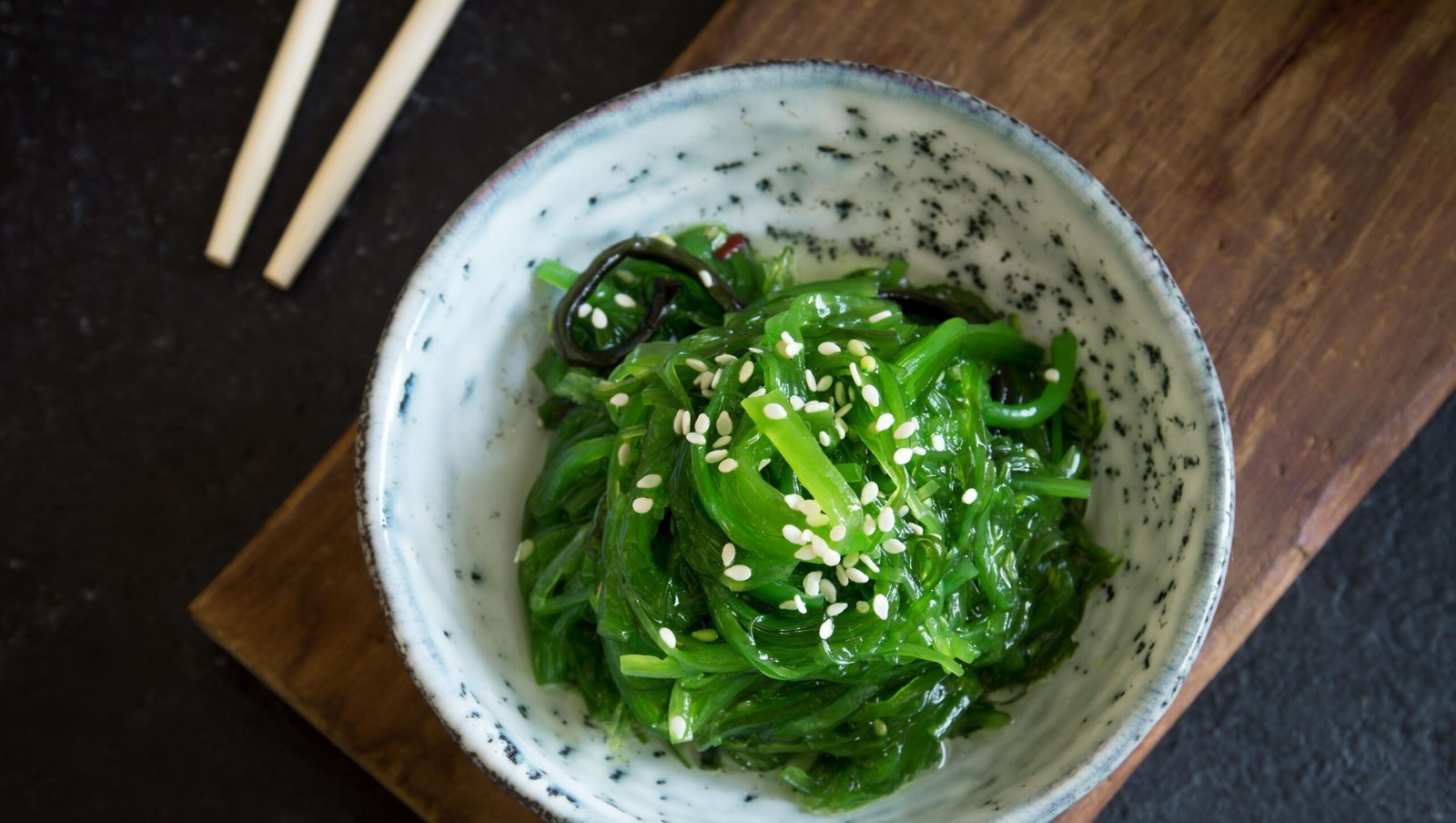
How to Enjoy Kelp Kelp can be found in Japanese and Korean foods, and can be purchased dried, raw, or as flakes in specialty grocery stores. Here are some ways to incorporate kelp into your diet: Add dried kelp to soups, stews, or broths. Use kelp strips in salads, stir-fries, or grain bowls. Sprinkle dried kelp flakes as a seasoning on foods. Blend raw kelp into smoothies or vegetable juices for a nutritional boost.
Subscribe to Updates
Get the latest creative news from FooBar about art, design and business.
Previous Article5 Exercises Men Over 55 Should Do Daily for Strength
Next Article 10+ Diabetes-Friendly Holiday Recipes

Related Posts
Add A Comment