

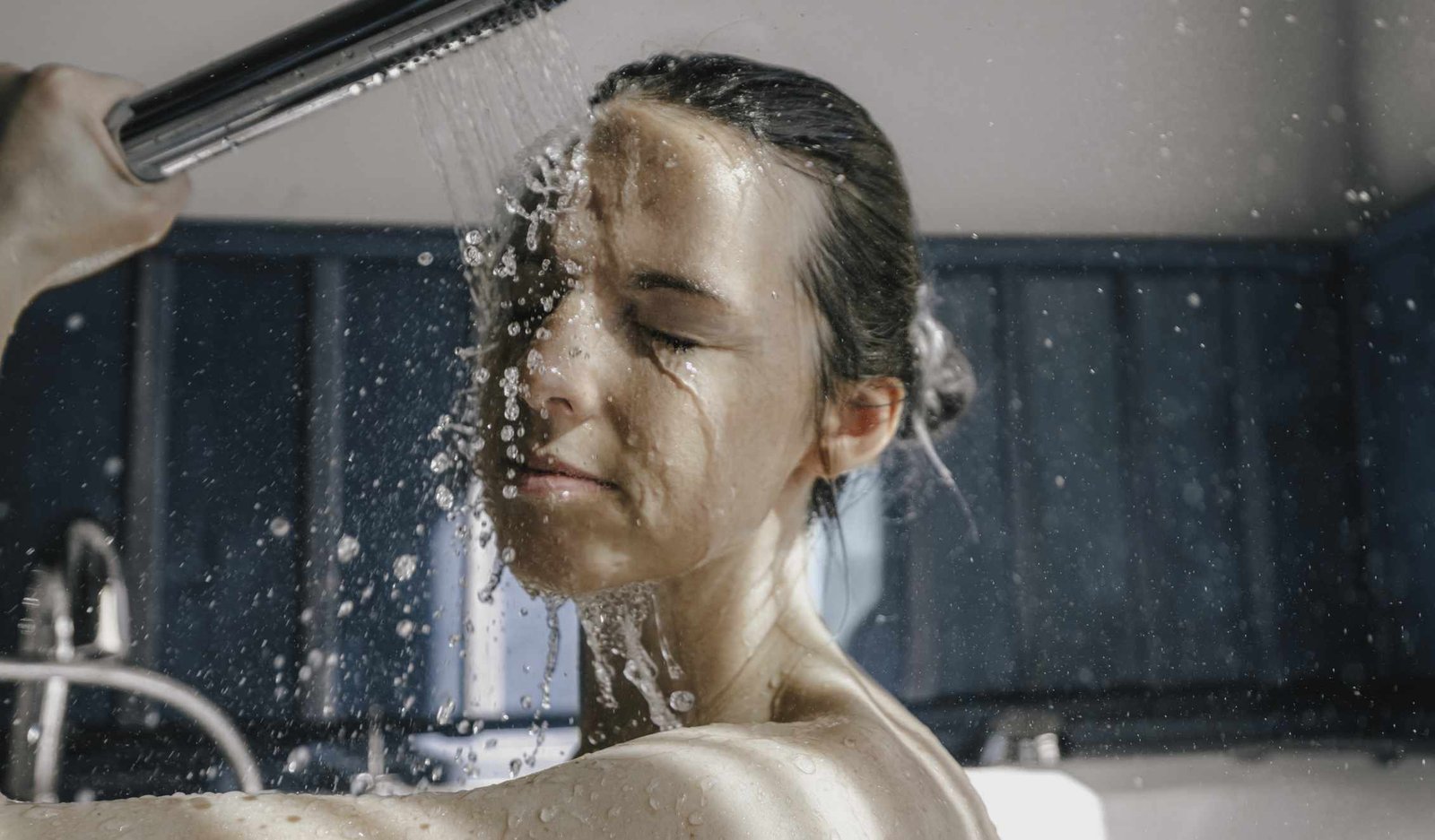
Water hardness is determined by the amount of minerals present. Many people prefer to soften their water using a water softener for skin and hair health benefits.
Water is considered hard based on the amount of calcium and magnesium ions that are present in it. This build-up of minerals can make your soap less effective and lead to limescale build-up in your pipes. Hard water can also make skin and hair dry.
Despite these characteristics, the Environmental Protection Agency (EPA) has not set a legal limit or standard for water hardness, primarily because these minerals are not toxic and do not harm your health.
However, these are the water characteristics generally accepted:
- Soft: 0-60 milligrams per liter (mg/L) as calcium carbonate
- Moderately hard: 61-120 mg/L as calcium carbonate
- Hard: 121-180 mg/L as calcium carbonate
- Very hard: more than 180 mg/L as calcium carbonate
Soft water is created by adding salt or potassium through a softener, which swaps sodium ions for calcium and magnesium ions.
Softening water can use a lot of water, up to 10,000 gallons per year. However, newer technology has tried to conserve it.
Many homeowners soften water to decrease limescale, use less soap, and prevent stains.
However, some communities are concerned that softened water adds more chloride to groundwater and water treatment plants. This additional chloride could potentially affect aquatic life, contaminate lakes, and cause chloride loading at water treatment facilities.
Most people choose to soften their water because of its effects on their skin, appliances, laundry, dishes, faucets, and showers. However, drinking hard water can actually be good for you in some cases.
How Hard Water Affects Health
Ddrinking hard water could play a protective role in preventing cardiovascular disease, particularly since people consume important minerals like magnesium and calcium. It may even reduce mortality.
That said, some research suggests that bathing in hard water could increase the prevalence of eczema and other skin conditions. Other studies have found it can lead to the development of kidney stones, which could be problematic for people with kidney disease or diabetes. However, more research is needed to confirm if hard water is the root cause.
How Soft Water Affects Health
Research on the health effects of softened water is limited, but some preliminary studies have linked soft water to colon cancer, diabetes, metabolic syndrome, neurological disorders, atrophy, lateral sclerosis, preeclampsia in pregnant people, bone fractures, and bone development in children. However, more research is needed to determine the role of soft water in these conditions.
Water softeners add sodium to water, so there is also some concern that softened water can affect blood pressure, particularly for people who are being treated for high blood pressure. However, there is very limited research. That said, the EPA indicates that water softeners can increase sodium levels to more than 300 milligrams per liter in drinking water.
The Food and Drug Administration (FDA) recommends that people limit their sodium intake to 2,300 milligrams. This means that one liter (or 33 ounces) of softened water a day potentially represents 13% of your daily sodium intake. If you have a heart condition or are being treated for high blood pressure, you should talk to a healthcare provider about drinking softened water.
One of the biggest differences people notice when comparing hard water and soft water is how differently the two react with soap, and how they affect the feel of your hair and skin.
How It Reacts With Soap
Hard water often reacts with most soaps to create a soap scum. This insoluble substance can stick to your hands, hair, or shower walls.
When using hard water, you may have a harder time working your soap into a lather when washing your hands, face, or hair. You may also need to take more time to rinse the soap away. If you normally use hard water, you may feel like using soft water makes your hands and skin feel slippery. This feeling occurs because soap lathers more easily in soft water, and less soap is needed.
Hair and Skin
The hardness of your water also can affect your hair and skin. For instance, one study found that hard water may increase the incidence of eczema.
Hard water can also cause children to develop eczema earlier in life, and it could make the condition worse in those who already have it. Hard water can disrupt the skin barrier and increase the risk of dry skin (xerosis), causing dry, rough, and scaly patches.
Several studies have found that the minerals in hard water can build up on your scalp, causing itchiness. Hard water can also weaken your hair and make it more prone to breakage. However, there is no evidence that it contributes to hair loss.
Teeth
One study found that water softeners, and especially reverse osmosis systems, remove 92-99% of beneficial minerals like magnesium, calcium, lead, fluoride, and iron.
These minerals are essential for maintaining the mineral density of your teeth and bones. Removing them from your drinking water could increase your risk of osteoporosis and dental cavities.
You can measure the hardness of your water using a test kit or an independent laboratory. You can also contact your community water supplier directly for information about your water’s hardness.
Most people in the United States get their water from a community water system. These systems provide customers with an annual water quality report, also known as a Consumer Confidence Report. You typically receive this report once a year with your water bill.
The report, often published in July, provides information on contaminants found in your water and possible health effects. If you do not receive a report because you rent and your water is paid for by the building you live in or the homeowner, you can contact your water company for this information.
If you get your water from a well, you must have it tested independently. In some communities, your local health department will provide free private well testing. To test your water, the EPA suggests using only certified laboratories for drinking water testing. You can search for a state-certified laboratory in your state.
Deciding whether or not to address the hard water in your home is a personal decision. Some people prefer to soften their water to prevent build-up on their skin, hair, and showers, while others choose to stick with hard water due to concerns about adding sodium to their diets.
No matter which direction you are leaning in, it’s important to determine the hardness of your water first. After that, you have several options to consider.
For instance, if your biggest concern with hard water is its impact on your skin and hair, but you do not want to purchase a water softener, you can opt for a shower head filter. These devices help remove impurities from your water and make it softer. You can also keep distilled water on hand to rinse your body and hair.
You can ask the company supplying your water softener if it’s possible to use potassium chloride instead of sodium chloride to reduce your water’s salt content. You can also request that only certain areas of the home are softened and that the pipes going to the refrigerator, kitchen sink, or the outside (where you water plants or wash vehicles) are not softened. If you already have a water softener, you can ask the company that maintains your water softener to adjust it so that your water is less soft.
