

A trainer’s 4 bed moves that smooth back rolls and rebuild upper back tone better than Pilates.
Back rolls after 60 often come down to two things, reduced muscle tone through the upper and mid-back, and a lack of consistent activation in the muscles that support posture. Pilates helps with control and flexibility, but many people still struggle to fully engage the back muscles needed to tighten that area. I’ve worked with clients in this age group for years, and the biggest changes usually come from simple, controlled movements that directly target the upper back while reinforcing posture.
Bed exercises create an ideal setup for this kind of work. They remove pressure on the joints and allow you to focus completely on muscle engagement. Without needing to balance or stabilize your entire body, you can isolate the back muscles more effectively and keep them under tension longer.
Another key factor involves consistency. These exercises feel accessible, which makes it easier to perform them daily. That steady activation helps rebuild muscle tone and improve how the back supports your posture throughout the day.
The following bed exercises target the upper back, rear shoulders, and supporting muscles that help smooth and tighten the area. Move slowly, stay controlled, and focus on squeezing your shoulder blades together during each rep.
Prone Arm Lifts
Prone arm lifts directly target the upper back and rear shoulders, making them one of the most effective movements for restoring muscle tone in this area. I use this exercise often because it teaches proper engagement of the muscles responsible for pulling the shoulders back, something many people lose over time. When those muscles weaken, the upper back rounds forward, which can make back rolls more noticeable.
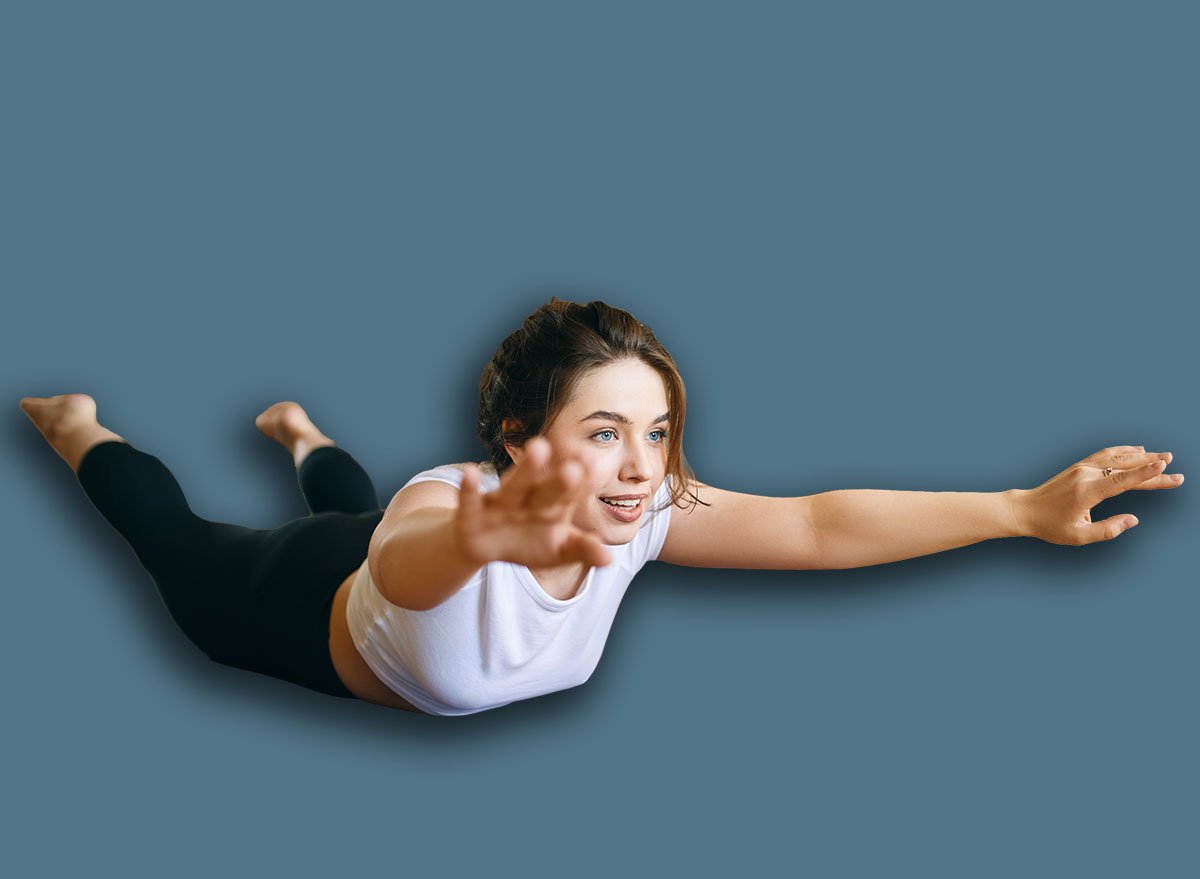
Lifting the arms while keeping the chest lightly grounded forces the upper back to do the work. Holding briefly at the top increases time under tension and strengthens the muscles that improve posture. Over time, this helps pull the shoulders back and tighten the appearance of the upper back.
How to Do It
- Lie face down with arms at your sides
- Lift your arms slightly off the bed
- Squeeze your shoulder blades together
- Hold briefly
- Lower slowly.
Lying T Raises
This movement expands on the previous exercise by targeting the mid-back more directly. I include it because it strengthens the muscles that stabilize the shoulder blades, which play a major role in smoothing the upper back.
Raising the arms out to the sides in a “T” position creates a strong contraction across the mid-back. Performing the movement slowly keeps the muscles under tension longer, which improves activation. Many clients feel this one working almost immediately when done correctly.
How to Do It
- Lie face down with arms extended out to the sides
- Lift arms slightly off the bed
- Keep your neck relaxed
- Hold briefly at the top
- Lower slowly.
Lying Elbow Pull-Backs
This exercise focuses on strengthening the muscles that pull the shoulders back and down. I rely on it because it reinforces posture while building strength through the upper and mid-back.
Pulling the elbows back toward your sides creates a deep contraction through the back muscles. Holding that position forces the muscles to stay engaged, which builds endurance and control. Over time, this helps improve posture and reduce the appearance of back rolls.
How to Do It
- Lie face down with arms bent
- Pull your elbows toward your sides
- Squeeze your shoulder blades together
- Hold for 2–3 seconds
- Release slowly.
Lying Reverse Snow Angels
This final movement ties everything together by training the upper back through a full range of motion. I often finish routines with this exercise because it combines strength, control, and coordination in one movement.
Moving the arms through a wide arc forces the back muscles to stay engaged the entire time. That continuous tension helps strengthen and tone the upper back more effectively than isolated movements alone. Over time, this leads to better posture and a smoother, tighter appearance.
How to Do It
- Lie face down with arms extended overhead
- Move arms outward and down in a wide arc
- Keep arms slightly lifted
- Squeeze shoulder blades throughout
- Return to start slowly.
Tyler Read, BSc, CPT
Tyler Read is a personal trainer and has been involved in health and fitness for the past 15 years. Read more about Tyler
