

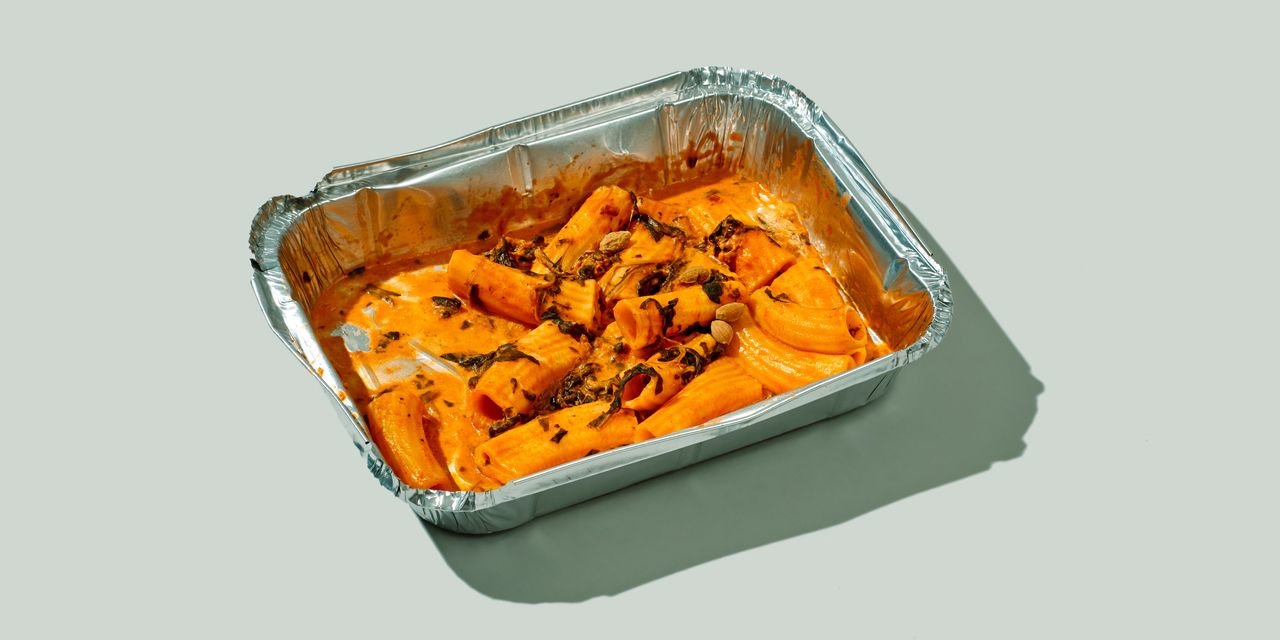
Having leftovers in the fridge is a source of security…and for the more neurotic among us, stress. On the one hand, it’s nice to know that a meal is ready and waiting for you when hunger strikes. But at the same time, eating it before it spoils can feel like an impossible race against the clock.
Food poisoning is no joke, so it’s no wonder why a days-old casserole might be more off-putting than alluring. The hungrier you are, though, the more tempting it may be to believe there could be a way to reset that clock—especially when trusted sources tout the idea that a spin in the microwave is all it takes to add an extra three to four days to your food’s lifespan.
Basically, the thinking behind this theory goes that as long as you reheat a dish before it’s had time to contract illness-causing pathogens, you’ll continuously delay it ever contracting them at all. While that would be great if true—how convenient would it be to be able to eat the same food on an infinite loop or, more likely, ’til there’s none left?—the food safety specialists we spoke with informed us that there’s little more to the notion than wishful thinking.
Here’s why they say you can never truly give your old food a fresh start, how to err on the side of caution with that pasta in your fridge, and what you can do to get the most out of your leftovers before their time is up.
First: What makes leftovers dangerous?
Food poisoning is caused by the presence of pathogens—i.e. disease-causing bacteria, viruses, and parasites—in what we eat, but what’s generally less well understood is when they form and where they come from.
Harmful strains of bacteria find their way into our food through various channels: cross-contamination during prep, improperly washing ingredients, and even simple contact between what you’re cooking and any germs on your hands from touching things like a dirty light switch or faucet, Bill Sullivan, PhD, Showalter professor in microbiology and immunology at the Indiana University School of Medicine, tells SELF.
Working in a clean environment, performing regular handwashing, avoiding recalled food, and practicing caution with potential cross-contaminants—like washing tongs that touched raw chicken—will all limit the presence of these kinds of bacteria. And if harmful pathogens are never introduced, it’s that much more likely they won’t appear at all. (Your leftovers will still eventually spoil, but the responsible bacteria won’t necessarily be those that make you sick.)
