

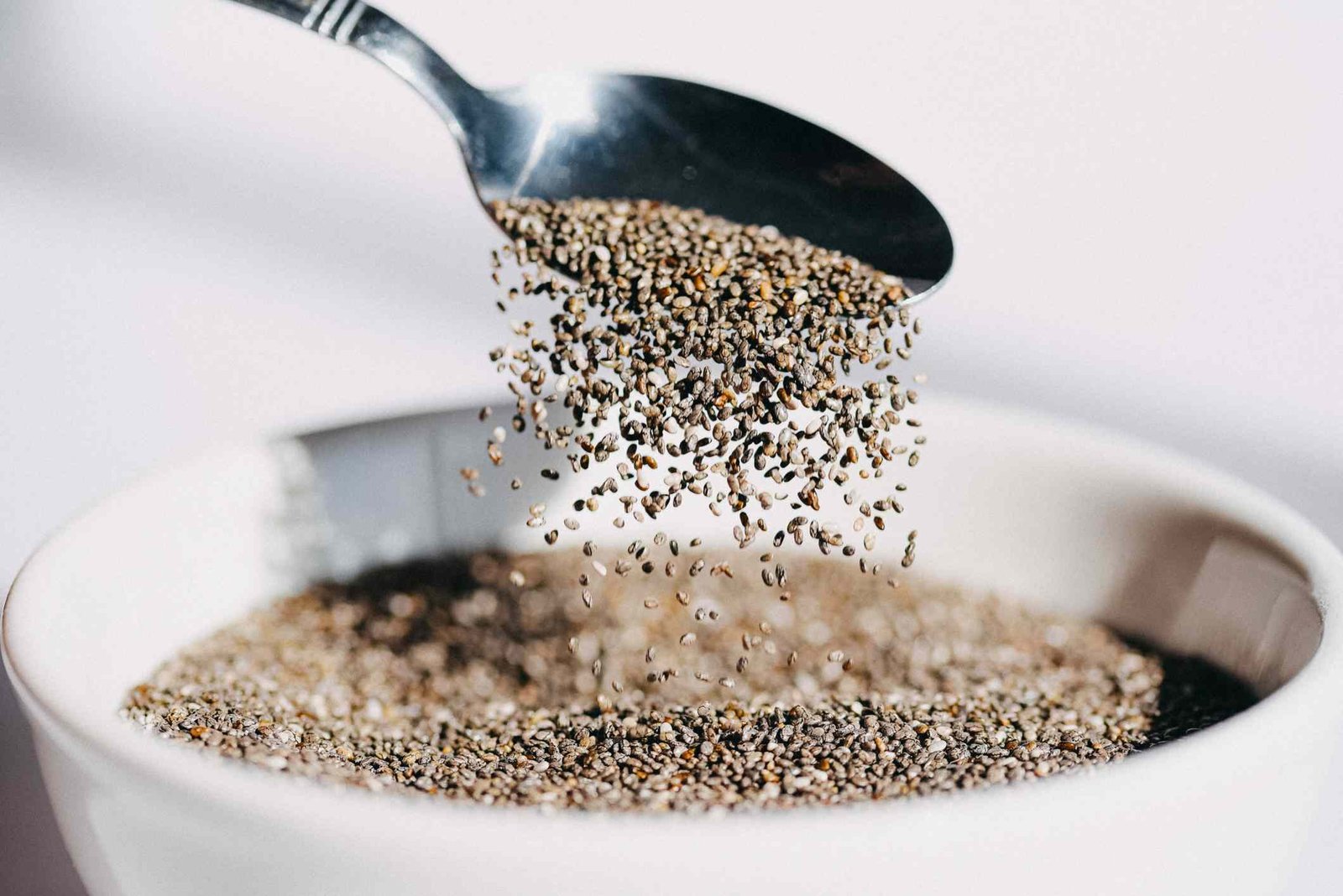
Chia seeds may be small, but they contain meaningful amounts of fiber, protein, and micronutrients. While not a performance booster on its own, these nutrients may help with steadier energy and endurance during exercise.
Chia seeds contain several nutrients that may influence exercise performance:
- Fiber: Chia seeds contain 10 grams of fiber per ounce, primarily soluble fiber. Soluble fiber forms a gel when mixed with liquid, which slows digestion and supports a steady release of energy after eating. This gel also allows chia seeds to absorb several times their weight in water, which may help support hydration during exercise.
- Carbohydrates: Carbohydrates are the body’s primary fuel source during exercise. Chia seeds contain about 12 grams of carbohydrates per ounce, which can contribute to energy availability when eaten before your workout.
- Omega-3 fatty acids: Chia seeds contain alpha-linolenic acid (ALA), a plant-based omega-3 fatty acid. Omega-3s have anti-inflammatory benefits and may support post-exercise recovery by reducing markers of muscle damage and inflammation, although more studies are needed to confirm their effects.
- Protein: Chia seeds contain 5 grams of plant protein per ounce. While not a major protein source on their own, chia seeds can contribute to overall protein intake, supporting muscle maintenance and recovery.
- Minerals: Chia seeds contain small but meaningful amounts of iron, magnesium, and calcium. These minerals help support oxygen transport, muscle contraction, and energy metabolism during exercise.
There aren’t many studies specifically examining chia seeds for endurance exercise, but the few available provide insight. One randomized study found that consuming chia seeds as part of a carbohydrate-loading strategy yielded performance comparable to that of a traditional carbohydrate sports drink.
Another study examining chia seed oil supplementation found no improvements in time to exhaustion or other performance markers in runners. However, this study used isolated chia seed oil rather than whole chia seeds, which means it didn’t include all the beneficial nutrients found in the whole seed.
Overall, whole chia seeds may support endurance exercise by providing carbohydrates and other nutrients that help sustain energy during prolonged activity, but more studies are needed to confirm the benefits.
One of the most interesting characteristics of chia seeds is their ability to absorb liquid and form a gel. This gel, formed by soluble fiber, slows digestion and the release of carbohydrates into the bloodstream. A slower digestive process may help keep blood sugar levels more stable, rather than resulting in a quick spike.
For endurance activities, slower-digesting carbohydrates can be helpful because they provide steady energy over a longer period. Quick-absorbing carbohydrates provide a faster energy source that may not last as long. Both types are beneficial, depending on the activity.
Chia seeds also absorb several times their weight in water, which can help with hydration when consumed before exercise. While they don’t replace drinking fluids, the gel-forming property may help with fluid balance.
Chia seeds are easy to incorporate into everyday foods and only require 1 to 2 tablespoons to provide benefits. Here are a few simple ways to include them in a pre-workout snack:
- Stir into yogurt: Mix chia seeds into Greek yogurt and let it sit for a few minutes to soften.
- Add to overnight oats: Chia seeds blend well and add fiber and healthy fats.
- Blend into a smoothie: Add a tablespoon of chia seeds to a smoothie or protein shake for a nutrient-dense snack before your workout.
- Sprinkle over nut butter toast: Sprinkle chia seeds over your favorite nut butter with sliced banana on toast for a balanced snack that includes all three macronutrients.
- Make chia pudding: Combine chia seeds with dairy or plant-based milk, top with berries, and let them soak for at least an hour for a simple pre-workout option.
Chia seeds are high in fiber, so it’s best to start with smaller amounts, especially if you’re eating them right before exercise. For some people, too much fiber close to a workout can cause digestive discomfort.
