

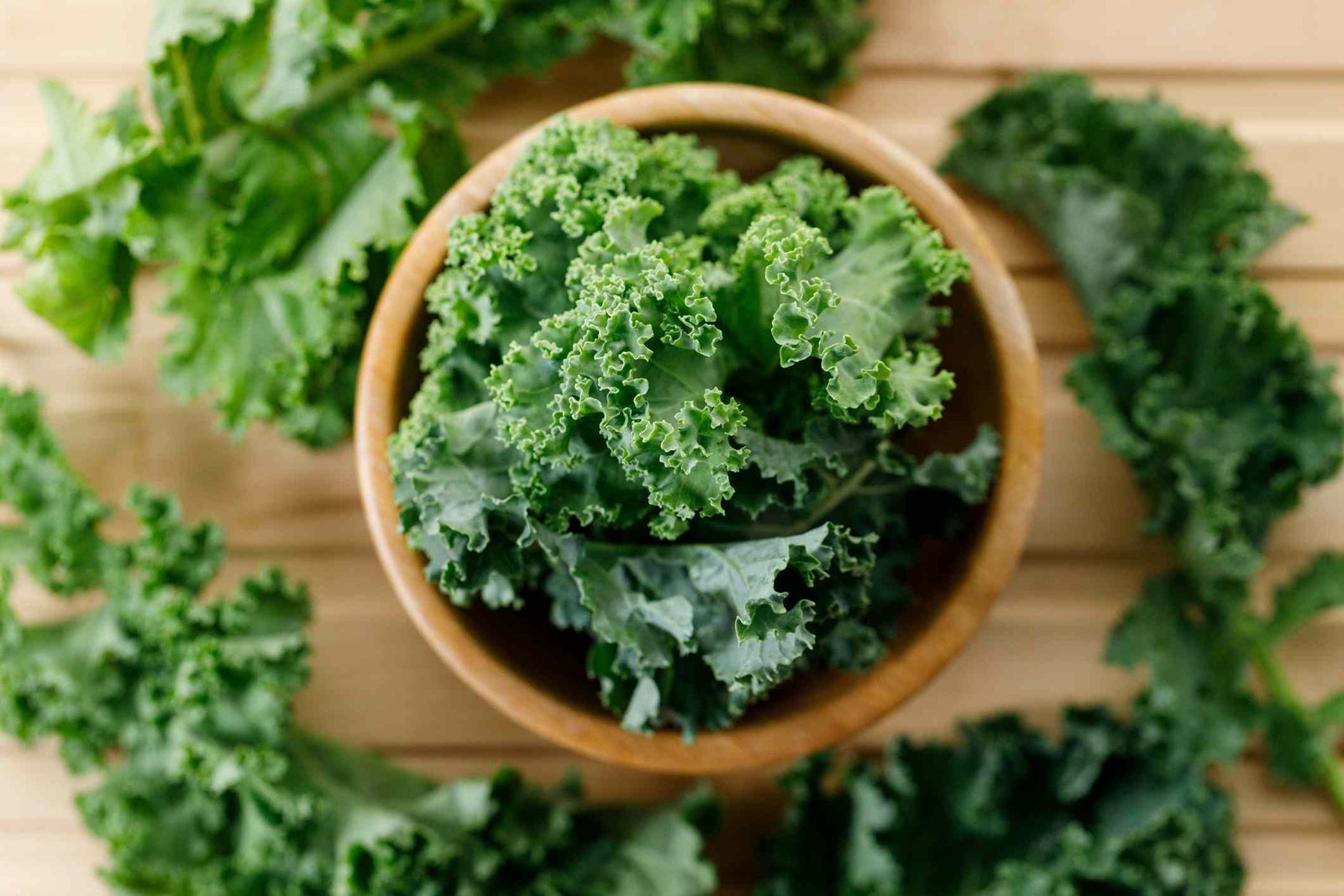
Kale is a nutrient powerhouse. It’s loaded with vitamins A, C, and E, as well as vitamin K, which plays an essential role in skeletal health, blood clotting, and other important bodily processes. One cup of cooked kale delivers 493 micrograms (mcg) of vitamin K—or 410.8% of the Daily Value (DV). But while kale is an excellent source of the vitamin, a few other leafy greens contain even more vitamin K per serving.
bhofack2 / Getty Images
- Vitamin K content: 889 mcg (740.8% of the DV)
- Serving size: 1 cup, cooked
Spinach is one of the best sources of vitamin K you can eat, with a cooked cup covering more than 700% of your daily needs. It’s also packed with folate, vitamin A, magnesium, and the carotenoid antioxidants lutein and zeaxanthin, which protect against cellular damage and support eye health.
Use them this way: You can add raw spinach to salads, soups, grain bowls, and smoothies, or sauté spinach with garlic and olive oil for a quick and nutritious side dish.
Costache Hurgoi / Getty Image
- Vitamin K content: 572 mcg (476.6% of the DV)
- Serving size: 1 cup, cooked
In addition to being an excellent source of vitamin K, Swiss chard also provides nutrients essential for heart health. A cup of cooked Swiss chard provides 20% of your daily potassium needs and 35% of your daily magnesium needs. These nutrients are essential for healthy blood pressure management, and diets high in these minerals may reduce the risk of high blood pressure, protecting against heart disease.
Use them this way: Toss Swiss chard into soups, stews, and salads, or sauté it with olive oil and lemon. It also makes a tasty low-carb substitute for wraps and burritos.
bhofack2 / Getty Images
- Vitamin K content: 609 mcg (507.5% of the DV)
- Serving size: 1 cup, cooked
Collard greens are a nutrient-dense green, rich in fiber, calcium, vitamin K, and other essential nutrients. A cup of cooked collards delivers nearly 20% of your daily fiber needs and 24.9% of your calcium needs, making collards a good choice for supporting bone, gut, and heart health.
Use them this way: Add collard greens to grain bowls, salads, and stir-fries or cook them with onions, broth, and seasonings for a quick and healthy side dish.
K1tyara / Getty Images
- Vitamin K content: 530 mcg (441.6% of the DV)
- Serving size: 1 cup, cooked
Turnip greens aren’t as popular as other greens, but they provide an impressive amount of nutrients and make a smart addition to your diet. They’re especially high in vitamin C, which is necessary for collagen production, immune health, and iron absorption. A cup of cooked turnip greens provides 43.8% of your daily vitamin C needs. Turnip greens are also high in folate, vitamin A, and other essential nutrients.
Use them this way: Turnip greens are delicious steamed or sautéd with them with garlic and olive oil. They can also be mixed into soups and stews for a boost of nutrition.
VU PHAM VAN / Getty Images
- Vitamin K content: 830 mcg (691.6% of the DV)
- Serving size: 1 cup, cooked
Along with a massive dose of vitamin K, mustard greens contain a variety of protective plant compounds, such as carotenoid antioxidants, like β-carotene, lutein, violaxanthin, and neoxanthin, which have powerful cellular-protective properties.
Use them this way: Mustard greens have a spicy taste and can be enjoyed raw in salads or on sandwiches. You can also add cooked mustard greens to dishes like grain bowls and soups.
Kinga Krzeminska / Getty Images
- Vitamin K content: 697 mcg (580.8% of the DV)
- Serving size: 1 cup, cooked
Beet greens contain an impressive array of nutrients, including iron, potassium, and vitamin C. Beet greens are also high in nitrates, which are compounds that help relax blood vessels, supporting healthy blood pressure.
Use them this way: You can sauté beet greens with garlic and olive oil, blend them into smoothies, or add them to soups and stir-fries.
