

Omega-3 fatty acids play essential roles in the body, including regulating inflammation and supporting heart health. There are three primary types of omega-3s: EPA (eicosapentaenoic acid), DHA (docosahexaenoic acid), and ALA (alpha-linolenic acid). EPA and DHA are concentrated in seafood, while ALA is found in plant foods. Although DHA and EPA are most closely associated with heart health, ALA also offers heart benefits.
Anna Blazhuk / Getty Images
Flaxseeds are rich in ALA, providing 4.7 grams per 2-tablespoon serving. ALA has anti-inflammatory effects and may reduce blood lipid and blood pressure levels. Studies show that having a high dietary intake of ALA may lower the risk of heart disease by up to 10%.
Flaxseeds are also high in fiber and magnesium, which protect the heart by lowering risk factors such as high cholesterol and high blood pressure.
Sprinkle flaxseed on yogurt and add ground flaxseed to smoothies, baked goods, and homemade energy bars.
Stefania Pelfini la Waziya / Getty Images
Chia seeds are another excellent source of ALA, with 1 ounce providing 5 grams.
Chia seeds are also high in fiber and magnesium, which also contribute to their heart health benefits. The soluble fiber found in chia seeds helps reduce cholesterol, while magnesium lowers blood pressure and blood sugar, further protecting the heart.
Studies also show that eating chia seeds is an effective way to increase HDL cholesterol, which is a type of heart-protective cholesterol that helps your body recycle excess cholesterol back to the liver for removal, supporting overall cardiovascular health.
Use chia seeds to make chia seed pudding, or mix chia seeds into oatmeal and cottage cheese.
Svittlana Kuchina
Flaxseed oil is the richest source of plant-based omega-3s you can eat, packing 7.26 grams of ALA per tablespoon.
Flaxseed oil has been shown to significantly reduce inflammatory markers, such as C-reactive protein (CRP). Lowering inflammation is essential for maintaining heart health, as chronic inflammation is the primary driver of heart disease.
Use flax oil to dress salads, add it to smoothies, or take it as a supplement by the spoonful.
F.J. Jimenez / Getty Images
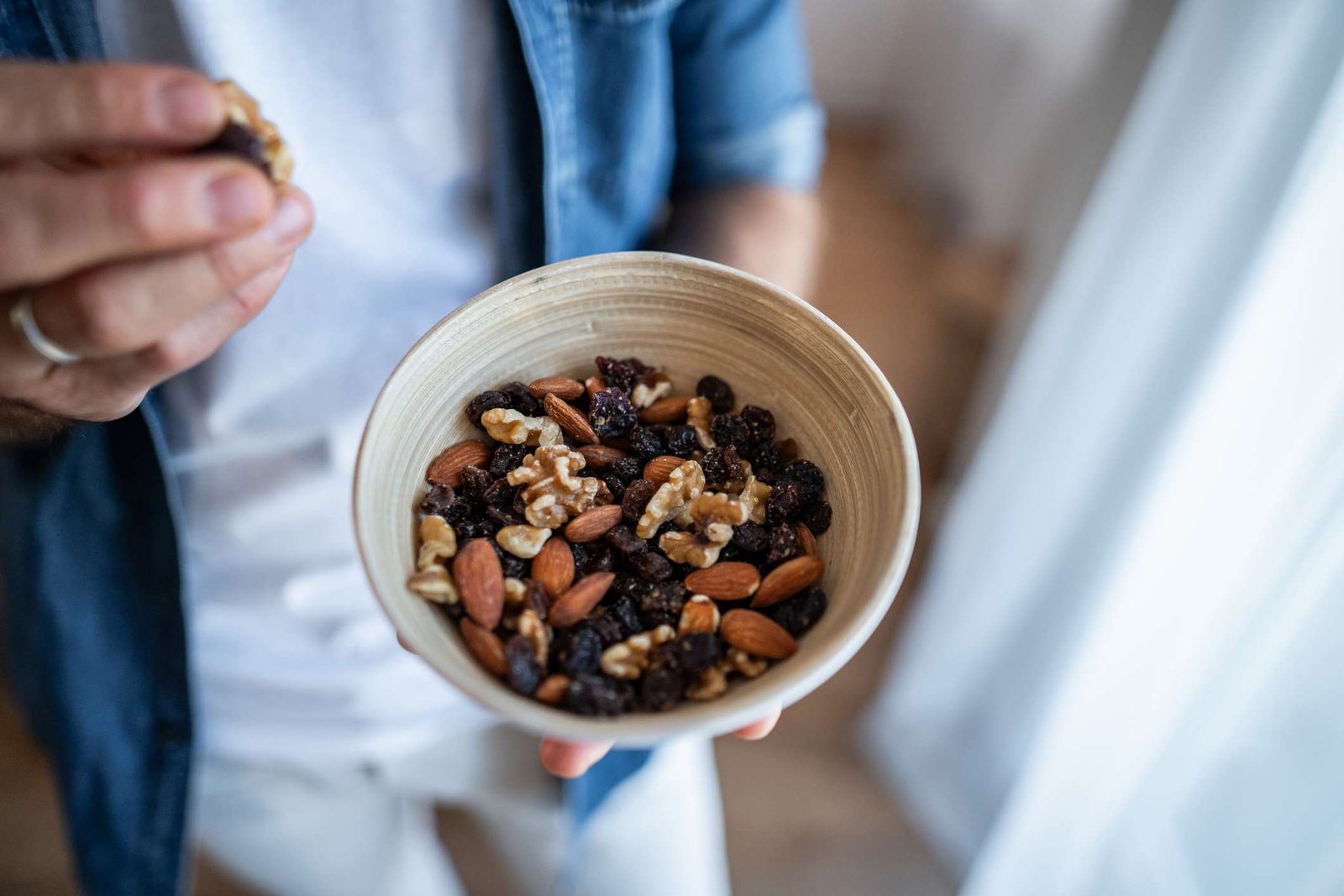
Walnuts contain a significant amount of ALA, providing 2.38 grams per ounce. Other nuts, like almonds, contain only trace amounts of ALA. Walnuts also contain polyphenol antioxidants and vitamin E, which support overall heart function and protect against cellular damage.
Eating walnuts may also help lower total and LDL cholesterol, which can reduce heart disease risk.
Add walnuts to trail mix, salads, grain dishes, and baked goods, or use them as a topping for oatmeal and yogurt.
Oleg Breslavtsev / Getty Images
Hemp seeds contain high levels of ALA, providing 2.6 grams per ounce. The same serving covers 50% of your daily magnesium needs, making them a particularly good option for those with high blood pressure.
Hemp seeds also contain a surprising amount of protein, with an ounce providing 9.5 grams. Eating more protein-rich foods can help you lose weight or maintain a healthy body weight by helping you feel more satiated after meals and reducing total calorie intake.
Add hemp seeds to smoothies, oatmeal, and homemade granola for an extra boost of heart-healthy nutrients.
Maintaining a healthy level of omega-3 fats in your body is critical for heart health. Omega-3s help maintain healthy blood vessels by supporting blood vessel dilation and blood flow through regulating inflammation and boosting nitric oxide production.
Additionally, a high dietary intake of omega-3s can help reduce risk factors for heart disease, such as high blood pressure and high cholesterol.
Keep in mind that while some plant-based foods are high in omega-3s, you may not be able to cover your needs through diet alone. People following plant-based diets are more likely to consume low amounts of omega-3s.
To ensure you’re consuming adequate amounts, you may want to add an algal oil supplement. Algal oil contains DHA and EPA and has been shown to raise blood levels of these heart-healthy fats just as effectively as fish oil.
