

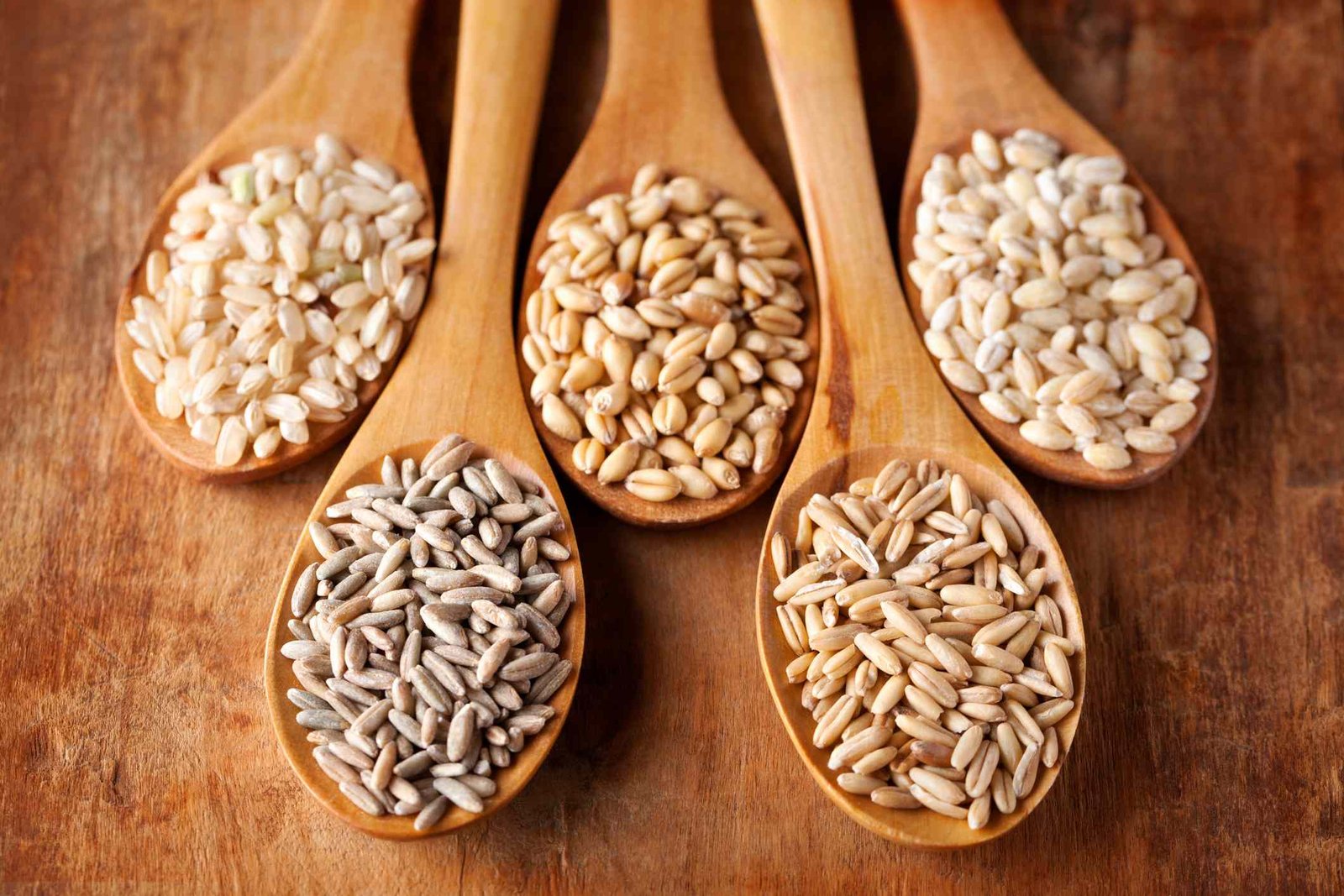
Your diet plays a central role in maintaining gut health. Eating foods rich in gut-supportive nutrients, like fiber, can promote regular bowel movements, help manage inflammation, and support the growth of beneficial bacteria in the digestive tract, all of which are essential for a healthy gut. Grains can be an excellent choice for digestive health because many are rich in fiber, plant compounds, and other nutrients that support the gut.
alvarez / Getty Images
“Oats are a great on-the-go option for those who are short on time but still want to maintain a healthy gut,” Michelle Hughes a gastroenterologist for Yale Medicine and the medical chief for quality and safety for digestive health at Yale New Haven Health, told Health.
Hughes recommends oats to her patients because of their high level of gut-friendly fiber. “Their gut health benefits stem from having a high amount of beta-glucan, which is a soluble fiber that forms a gel-like substance as it passes through the intestines,” she said. Beta-glucan helps maintain the normal, healthy bacteria that live in your gut, reduces the risk of colorectal cancer, and can even help regulate constipation and diarrhea.
Jennifer / Getty Images
Like oats, barley has a naturally high beta-glucan content. These beta-glucans are metabolized by the gut microbiota into short-chain fatty acids (SCFAs), which then serve as an energy source for intestinal cells, support a healthy gut barrier, and help regulate inflammation.
Eating barley also supports gut bacterial diversity, a sign of a healthy gut, and reduces gut imbalance, also known as gut dysbiosis.
Kinga Krzeminska / Getty Images
Quinoa is packed with nutrients that are great for your gut. “Quinoa is technically a seed, but it functions like a whole grain in the diet,” Olivia Hamilton, MS, RD, LDN, a dietitian at Factor, told Health. “It contains fiber and protein and encourages diversity in the gut microbiome, similar to barley or oats.”
Quinoa also contains polyphenols, like ferulic acid, gallic acid, quercetin, and kaempferol, which have antioxidant and anti-inflammatory properties and can help protect cells in the digestive system from oxidative damage.
Because quinoa is naturally gluten-free, it’s an excellent option for people with celiac disease or gluten sensitivity.
Karisssa / Getty Images
“What sets teff apart is its impressive nutrient density,” Kaytee Hadley, MS, RDN, IFMCP, functional medicine dietitian and founder of The Integrative Center for IBS and SIBO, told Health. “It’s rich in iron, magnesium, and calcium, which support gut muscle function and overall digestive health, and it contains more lysine than most grains.” Lysine is an essential amino acid that supports healthy tissue function and may improve intestinal barrier function.
Teff is also high in fiber and protein, which support satiety and blood sugar regulation, and is naturally gluten-free, making it a safe option for those who need to avoid gluten-containing grains.
fcafotodigital / Getty Images
“Brown rice is a whole grain that provides insoluble fiber, which helps add bulk to stool and supports regularity,” Lakelyn Lumpkin, a registered dietitian at Top Nutrition Coaching, told Health.
Lumpkin explained that brown rice contains more fiber and nutrients than white rice because it retains the bran and the germ, parts of the rice grain that contain most of the fiber, vitamins, and minerals, making it a better choice for gut health. A cup of brown rice contains more than double the amount of fiber as white rice.
im a photographer and an artist / Getty Images
“The fiber in sorghum supports a healthy gut microbiome and bowel movements, while its antioxidants may help protect the gut from oxidative damage,” said Hadley. Sorghum contains one of the highest fiber contents of all grains, with a quarter cup of dry sorghum containing 9 grams or 32% of the DV.
Sorghum is also rich in polyphenol antioxidants, which may help limit the growth of harmful bacteria while supporting the growth of beneficial gut bacteria.
“Because it’s naturally gluten-free, sorghum is a great option for people who avoid gluten and may otherwise struggle to get enough key nutrients,” said Hadley.
