

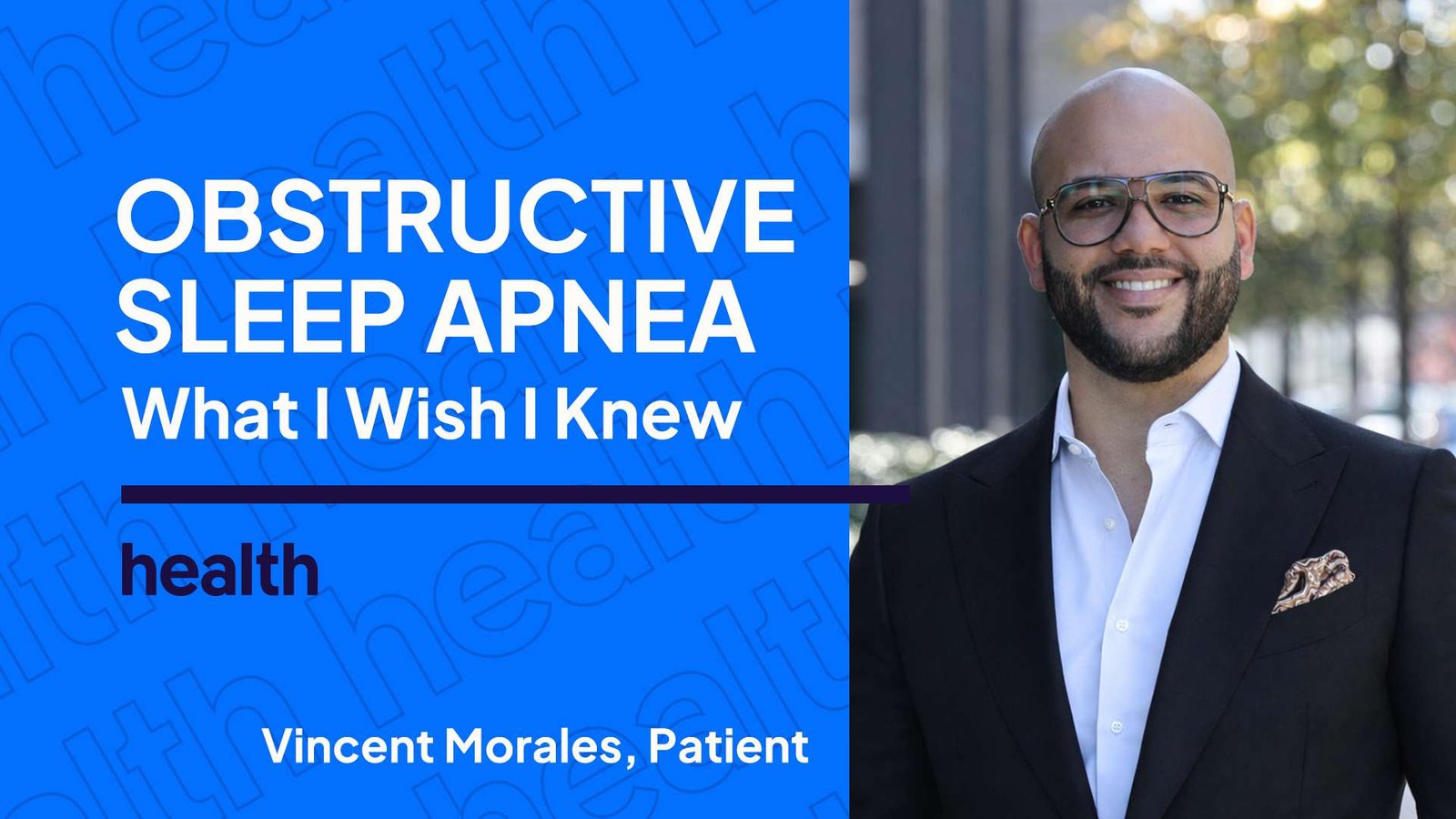
For most of my adulthood, I thought being exhausted was just part of life.
I wasn’t falling asleep standing up or missing work. I showed up. I performed. I stayed busy. From the outside, I looked fine—productive, motivated, and capable. But underneath it all, I was constantly tired in a way that coffee never fixed. I wish I had known that feeling wasn’t normal.
Before my obstructive sleep apnea (OSA) diagnosis, I believed sleep was something you could “catch up on.” I assumed snoring was annoying but harmless. I thought waking up tired was just the cost of ambition, stress, or getting older. No one ever told me that sleep apnea doesn’t always look dramatic—sometimes it hides in plain sight.
What I didn’t know is that OSA isn’t just about sleep. It quietly affects everything.
For years, I woke up feeling foggy, even after what should’ve been a full night’s rest. My energy dipped hard in the afternoons. Workouts felt heavier than they should’ve. My focus slipped, and I had days where motivation felt forced instead of natural. I blamed stress. I blamed my schedule. I blamed myself.
I also didn’t realize how much untreated sleep apnea strains your body over time. Looking back, I wish I had understood earlier that interrupted breathing during sleep isn’t just disruptive—it’s dangerous. OSA increases the risk of high blood pressure, heart attack, stroke, and type 2 diabetes. It puts your body into a nightly stress response, even while you’re supposedly resting.
But because I was young, active, and functioning, I never felt “sick enough” to seek help.
That’s the part I wish I had known most: You don’t have to be at your breaking point to deserve care.
Sleep apnea doesn’t always announce itself with obvious warning signs. Sometimes it shows up as irritability, burnout, brain fog, or a version of yourself that feels just slightly off. And over time, “slightly off” becomes your baseline—so you stop questioning it.
I wish someone had told me that chronic exhaustion isn’t a personality trait. That pushing through fatigue isn’t strength. That prioritizing sleep is healthcare, not a luxury.
Once I finally took steps toward getting evaluated, everything changed—not overnight, but gradually and meaningfully. Understanding what was happening to my body gave me clarity, relief, and control. For the first time in years, I could separate who I was from what my body had been dealing with.
The biggest shift wasn’t just physical—it was mental.
I stopped judging myself so harshly for needing rest. I stopped normalizing exhaustion. I started seeing sleep as foundational self-care instead of something to squeeze in after everything else was done.
If I could go back, I’d tell myself this: Listen to your body sooner. If you wake up tired every day, if your sleep doesn’t feel restorative, if you’re always running on fumes—it’s worth paying attention to. You’re not being dramatic. You’re being responsible.
I also wish I’d known that sharing your experience matters. Sleep apnea is common, but it’s rarely talked about openly. The more we normalize conversations around sleep health, the easier it becomes for people to recognize symptoms in themselves and seek help before years pass like they did for me.
Living with OSA taught me that self-care isn’t just about what you do when something feels wrong—it’s about what you don’t ignore when something feels off. Taking my sleep seriously changed how I show up professionally, physically, and mentally.
I didn’t lose my drive by slowing down. I gained clarity, energy, and longevity.
If this story helps even one person question their “normal” and look deeper, then sharing it is worth it. I only wish I had known sooner that better sleep wasn’t something I had to earn—it was something I deserved.
