

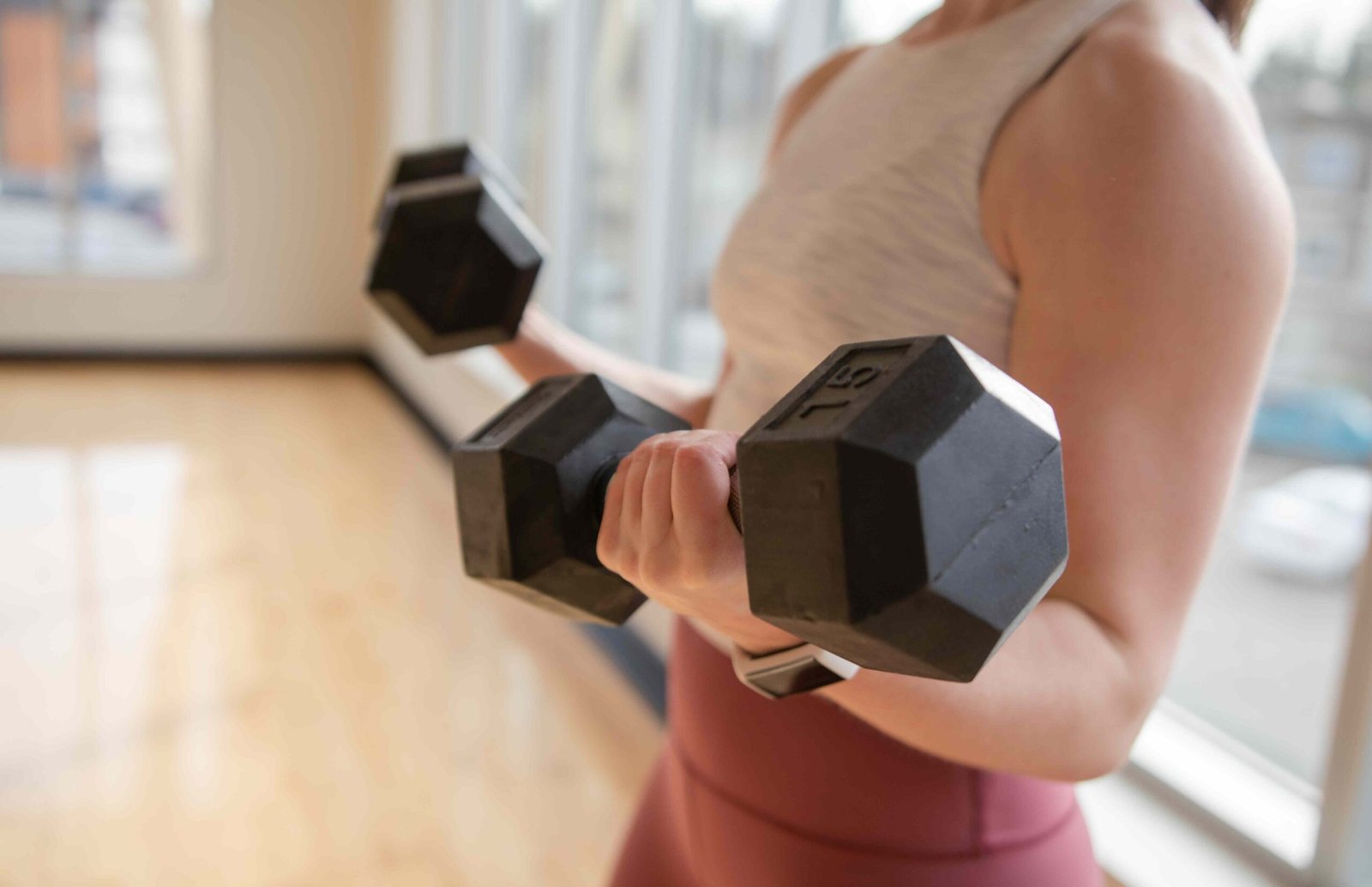
Strength training is growing increasingly popular among women, which is a good thing for their health and quality of life. In fact, maintaining a regular strength training routine as part of an overall fitness plan offers many science-backed benefits for women. Here are six that will inspire you to hit the weight room.
Research shows that women who do resistance training tend to live longer than those who don’t.
A 2024 study followed more than 400,000 adults in the United States over a span of 20 years. Data showed that women who strength trained two or three times each week had a 26% reduced risk of death as compared to women who didn’t strength train. (Interestingly, men who strength trained enjoyed the same benefit, but saw just an 11% lower mortality risk on average.)
Strength training isn’t just good for your muscles—it’s good for your heart, too.
That same large 2024 study, which showed a longevity boost for women strength trainers, also revealed that this group is less likely to experience fatal cardiovascular events. In fact, a few weekly sessions reduced their risk by 30%.
Other research found that strength training can improve blood pressure readings in men and women with hypertension (high blood pressure) after just a few months. However, the benefits were greater for men.
The primary goal of weight training is to build strength and grow muscle mass. An important part of that is avoiding age-related muscle loss, known as sarcopenia.
While people over 65 are most susceptible to sarcopenia, you can begin to lose muscle mass as early as 35 years old. That means it’s never too early for women to establish a strength-training routine.
For women who have experienced sarcopenia, strength training may also help them regain strength and physical capabilities. A recent review and meta-analysis found that older women with sarcopenia who did resistance training improved grip strength, knee extension strength, and other fitness metrics.
Osteoporosis, a condition that weakens bones and makes them more susceptible to fractures, is more common as people age, especially for women. Of the 10 million Americans with osteoporosis, 8 million are women.
In addition to not smoking, limiting alcohol consumption, and eating a well-balanced diet that contains adequate calcium and vitamin D, older women can improve their bone strength and reduce the risk of osteoporosis with weight training.
A 2025 research review found that postmenopausal women who did strength training saw significantly improved bone density, a measure of bone strength.
Even for women who are still decades away from menopause and osteoporosis-related concerns, strength training could potentially reduce their risk of injury. One study found that female college athletes who established a strength-training routine in high school or junior high were less likely to deal with stress fractures.
Functional strength training refers to movements that are meant to build strength and balance for activities that people do every day.
Even if you’re not necessarily training with functional strength in mind, exercise makes numerous everyday movements easier. For example, bending over to lift a heavy box off the floor is a deadlift, and placing an item on the top shelf of a cabinet is an overhead press.
For both men and women, weight training can create the functional strength necessary for accomplishing daily tasks, living independently, and avoiding falls as they age.
If you feel invincible after a set of heavy deadlifts, you’re not alone. A study on the relationship between physical activity and women’s sense of self-efficacy found that resistance training was the top-ranked activity for inspiring feelings of empowerment. It also made women feel more accomplished than other forms of exercise.
This could be due to seeing the steady progress that comes with regular weight lifting—either increases in the size or definition of muscles, or the amount of weight lifted. Also, by becoming stronger, women may feel more confident and better equipped to handle physical obstacles, whether it’s moving furniture, carrying luggage, or shoveling a walkway.
All of this can improve a woman’s physical, mental, and social health.
If you’re new to strength training or trying to work out more effectively, consider the following tips:
- Aim for twice a week: According to the Centers for Disease Control and Prevention (CDC), adults should engage in muscle-strengthening activities at least twice a week to keep themselves healthy.
- Save time with full-body workouts and compound movements: Rather than having a designated “leg day” or focusing on just one area of the body with each session, save time with full-body workouts that activate more than one muscle group at a time. For example, a dumbbell squat-to-overhead press strengthens the legs, glutes, core, shoulders, and arms in a single exercise.
- Start with bodyweight exercises: Before you add dumbbells, kettlebells, or other external resistance, practice strength-training moves with just your body weight. This allows your body to adapt to a new activity and master proper form.
- Prioritize nutrition: Muscle growth and recovery require adequate nutrients, especially protein. Your exact protein needs will depend on individual health and activity factors, but current federal guidelines recommend that adults consume 1.2-1.6 grams of protein per kilogram of body weight every day.
