

When you sneak healthy, whole foods into every meal, you may be surprised by how easy it is to hit your nutrition goals. It can be as simple as topping your yogurt with chia and flaxseeds, or adding roasted chickpeas and steamed beets to your salad. Here are the nutrition tips to try this week.
Flaxseeds may be small, but they pack a ton of nutrients, including omega-3s and magnesium. One ounce of flaxseeds contains about 6.4 grams of ALA, a type of omega-3, and 111 milligrams of magnesium, which is around 26% of the recommended daily value.
Try mixing flaxseeds into yogurt and oatmeal, or use them in baked goods, like bread and muffins. Ground flaxseed is best, as the whole seeds can be hard on your digestive system.
Known for its anti-inflammatory effects, turmeric can support your heart health and potentially lower blood pressure, research suggests. Inflammation can thicken and harden the walls of your arteries, increasing blood pressure. Since turmeric reduces inflammation, it may help ease this effect.
More research is needed to confirm turmeric’s impact on blood pressure. But if you’re interested in taking a turmeric supplement for heart health generally, be sure to check with your doctor first. The safest strategy is to incorporate turmeric root and spice into more of your meals.
Packed with vitamins and minerals, beets are a healthy addition to any diet. They support heart and brain health, and can help boost workout performance. But the way you cook beets could affect their benefits. The healthiest cooking method: steaming.
Steaming preserves the nutrients in beets—including vitamin C, folate, antioxidants, and potassium—that other cooking methods can diminish. Plus, the softer texture may be easier to digest. Steamed beets make a great side dish and salad topping, and can be blended into sauces or beet hummus.
If you’re looking for ways to sneak more protein into your diet, try adding chickpeas to your meals. A 1-cup serving of cooked chickpeas contains 14.5 grams of protein, while also providing plenty of fiber, folate, and iron.
Try roasting chickpeas and adding them to salads for a tasty, protein-packed crunch. You can also simmer chickpeas in soups and curries, or mash them to make a dip or sandwich spread.
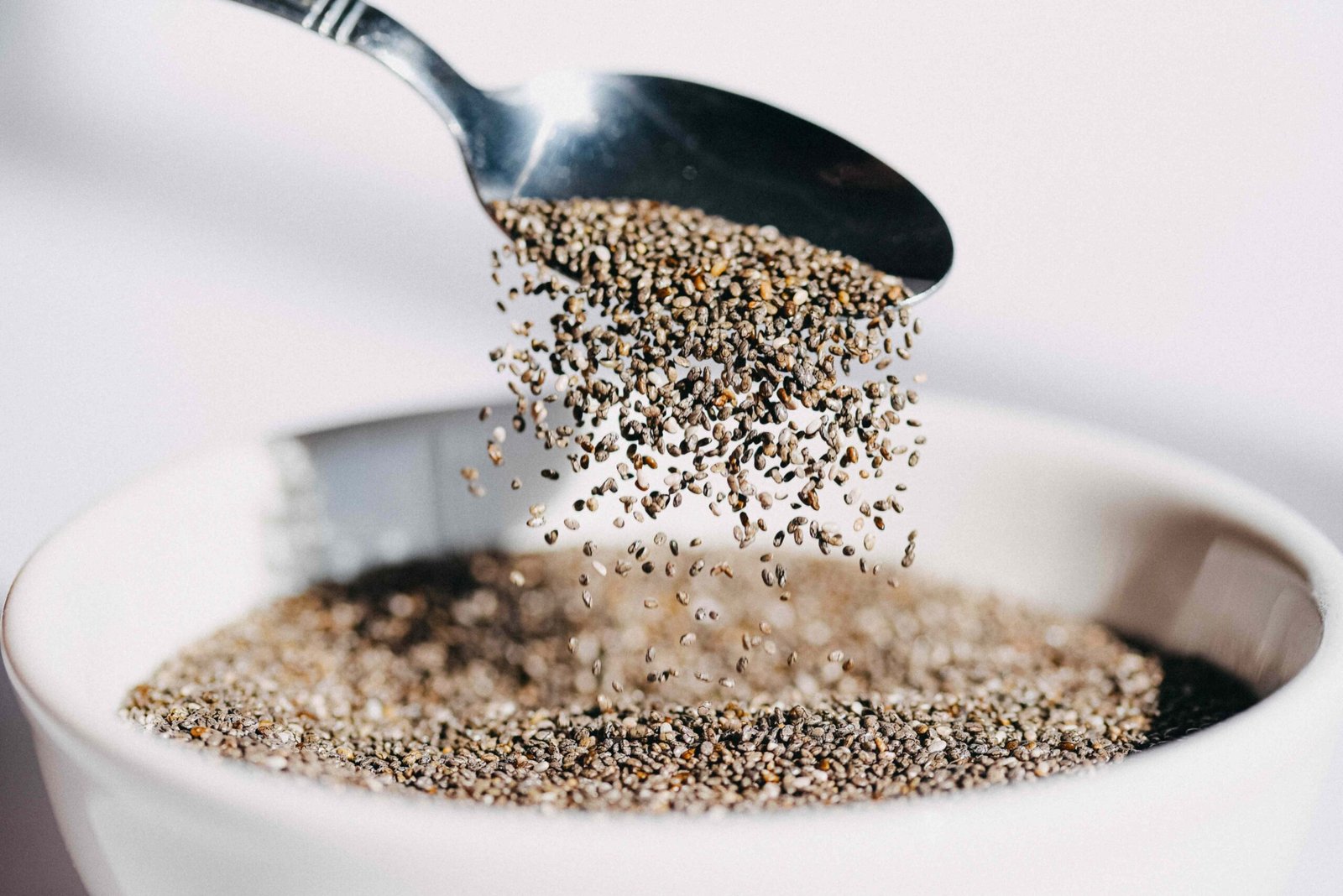
Chia seeds are rich in essential nutrients that may benefit everything from digestion to blood sugar. Research suggests that chia seeds may even offer a modest benefit for blood pressure. They’re a great source of omega-3s, which combat inflammation, and potassium and magnesium, minerals that relax blood vessels and improve blood flow—all of which can help lower blood pressure.
Try adding chia seeds to your yogurt, smoothies, and oatmeal. Or prep chia seed pudding overnight with your favorite milk and fruit.
