

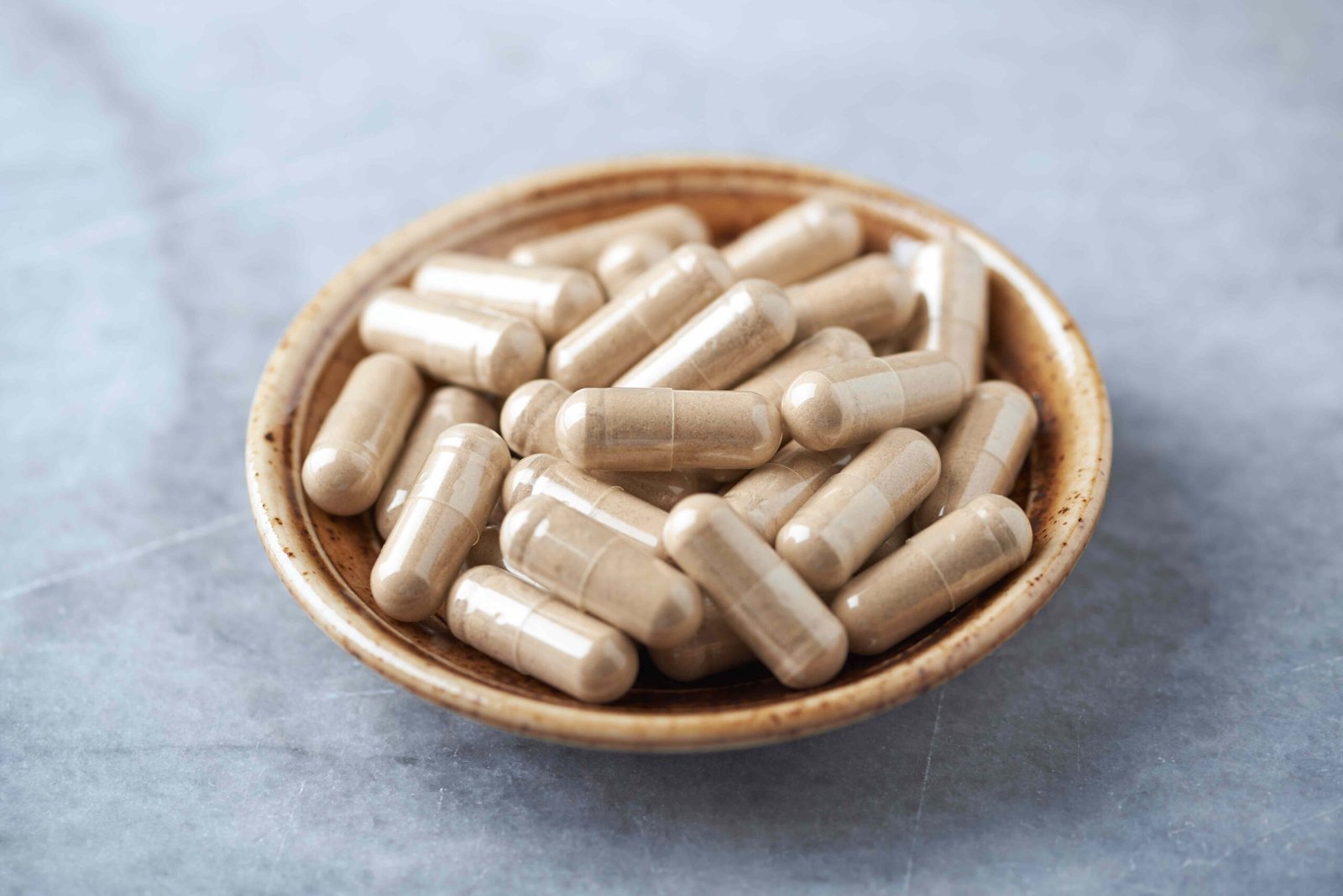
Ashwagandha is a root native to Asia and Africa that has long been used in traditional medicine. Today, many people take it as an herbal supplement to help relieve stress and anxiety. Like most natural supplements, ashwagandha is processed by the liver, and in some cases, it may cause liver issues.
The liver is your body’s filtration system, producing bile to help eliminate toxins and metabolize most supplements, drugs, and herbs, explained Elisabeth Plotner, MD, a preventive medicine fellow at the University of California, San Diego.
However, in some cases, taking supplements like ashwagandha—especially alongside other substances—can stress the liver and cause injury or inflammation, a condition called acute drug-induced hepatitis.
In one 2012 clinical trial, for example, some participants reported developing cholestatic symptoms (bile buildup), jaundice, and itching within two to 12 weeks. These are all signs of liver injury, though researchers couldn’t determine whether ashwagandha or another ingredient caused the effects.
A 2020 case study also identified five patients taking 450 to 1,350 milligrams of ashwagandha daily for one week to four months. All reported similar signs of liver injury, along with nausea, lethargy, and abdominal pain.
That said, “ashwagandha is generally considered well-tolerated for most healthy adults,” Emily LaBombard, MPH, RDN, LDN, a registered dietitian nutritionist, told Health. Liver injury appears to be more common in people with pre-existing liver disease.
In fact, some early animal studies have even suggested that ashwagandha may help protect the liver, but these results have not yet been replicated in humans.
As with all supplements, it’s best to talk to your doctor before trying ashwagandha. They can recommend the proper dosage and ensure you’re not taking medications that could interact negatively with the herb. Look for high-quality ashwagandha supplements that have been third-party tested by organizations like the National Sanitation Foundation (NSF), said John Rinker, MD, an internal medicine physician with OSF Healthcare.
Some people should avoid ashwagandha altogether, Plotner said, including those with liver, thyroid, or autoimmune conditions.
While clinicians don’t yet know whether lower doses of ashwagandha are safer for the liver, it’s still best to start with a low dose of about 125 milligrams, Plotner recommended. If you don’t experience side effects like headaches, upset stomach, dark urine, nausea, and jaundiced appearance, you can gradually increase to 300 to 600 milligrams and reassess after a month.
In general, it’s best to be cautious when trying herbal remedies. As Plotner put it: “Natural does not always mean safe.”
