

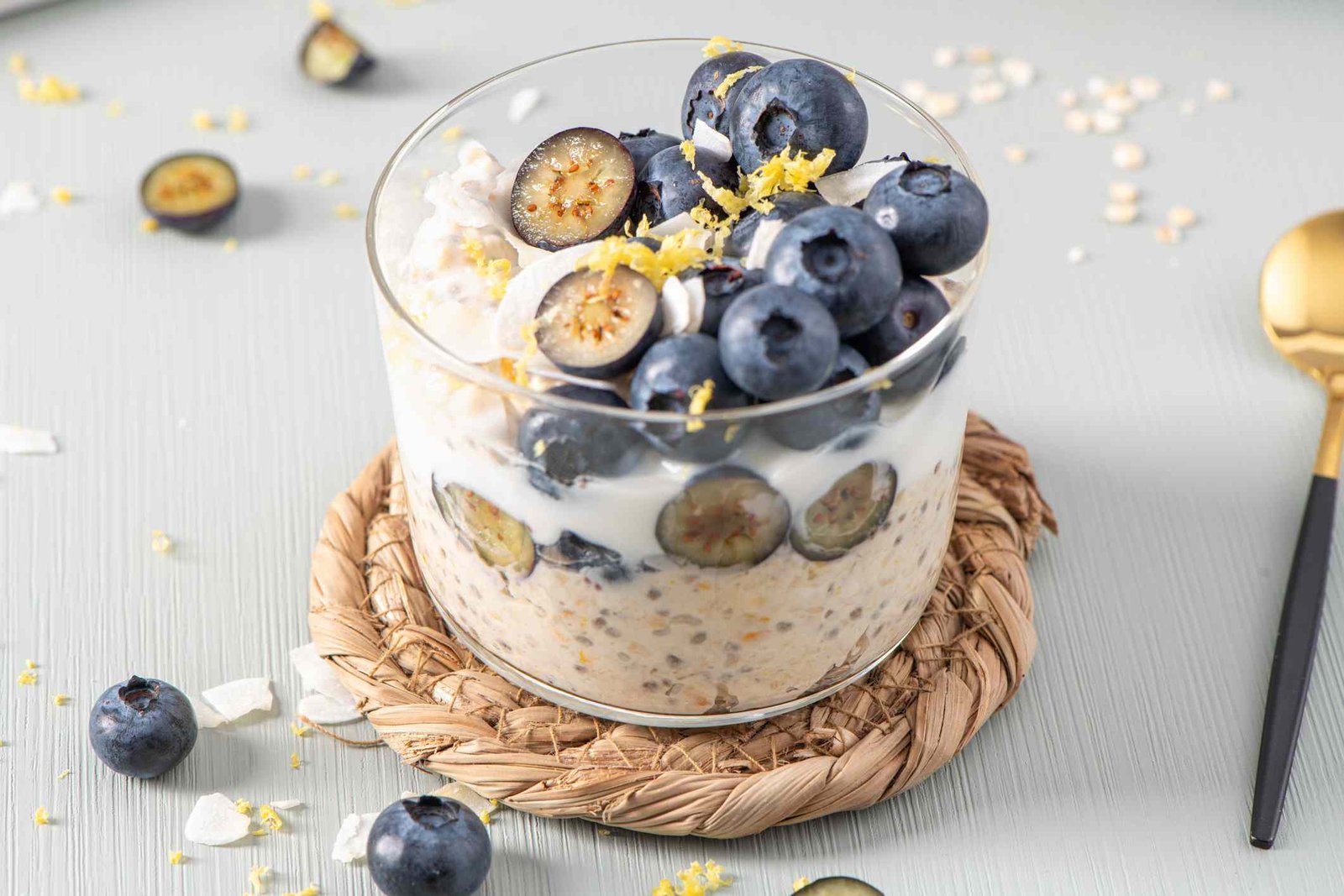
Eating more fiber is one of the simplest ways to support heart health. The best high-fiber foods for heart health include oats, berries, beans, and cruciferous vegetables. These foods help lower blood pressure, reduce LDL (or “bad”) cholesterol, and support weight management.
fcafotodigital / Getty Images
- Fiber content: 8 grams
- Serving Size: 1 cup (raw)
Oats are one of the best fiber-rich foods for heart health. They contain beta-glucan, a type of soluble fiber that helps reduce low-density lipoprotein (LDL) cholesterol by limiting its absorption into the bloodstream.
Lowering LDL or “bad” cholesterol can reduce the risk of heart attack or stroke. In a new study, people who ate mostly oatmeal for two days lowered their LDL cholesterol by about 10%. The benefits lasted for up to six weeks.
Krit of Studio OMG / Getty Image
- Fiber content: 13.1 grams
- Serving Size: 1 cup (cooked)
Kidney beans are rich in soluble fiber, which helps lower cholesterol levels. According to the National Lipid Association, consuming 5-10 grams of soluble fiber per day can reduce total and LDL cholesterol by about as much as 10 points. On average, a cup of cooked beans can provide between 2-6 grams of soluble fiber.
Kidney beans are also a good source of potassium, which helps offset the effects of sodium and support healthy blood pressure.
HUIZENG HU / Getty Images
- Fiber content: 9.8 grams
- Serving Size: 1 ounce (slightly more than two tablespoons)
Along with fiber, chia seeds are rich in alpha-linolenic acid (ALA), a plant-based omega-3 fatty acid. These healthy fats have been shown to help reduce inflammation and support healthy cholesterol levels. Chia seeds also provide plant-based protein and magnesium, nutrients that may help lower blood pressure.
Adding chia to oatmeal, yogurt, or smoothies is an easy way to boost fiber intake without much effort.
alvarez / Getty Images
- Fiber content: 8 grams
- Serving Size: 1 cup
With 8 grams of fiber per cup, raspberries are one of the highest-fiber fruits. They are also full of antioxidants that help protect cells against damage.
Studies show that eating berries regularly may support healthy blood pressure and cholesterol levels. Raspberries are also lower in sugar than many other fruits, making them a heart-healthy choice.
miniseries / Getty Images
- Fiber content: 9.7 grams
- Serving Size: 1 cup (sliced)
Avocados provide a unique combination of fiber and heart-healthy fats. The fiber supports cholesterol control, while monounsaturated fats (MUFAs) help improve HDL (or “good”) cholesterol levels.
They’re also a good source of potassium, which plays a role in blood pressure regulation. Adding avocado to meals can help replace saturated fats with healthier alternatives.
One study found that people who ate at least two servings of avocado per week, about one cup or one whole avocado, had a 16% lower risk of cardiovascular disease and a 21% lower risk of coronary heart disease compared to those who rarely or never ate avocados.
Dharmendra Yadav / Getty Images
- Fiber content: 4.4 grams
- Serving Size: 1 medium apple (with the skin on)
Apples are an easy, affordable way to add heart-supportive nutrients to your diet. They contain pectin, a type of soluble fiber that helps lower LDL cholesterol by binding to cholesterol in the digestive tract. Pectin is also considered a prebiotic fiber, which promotes the growth of good bacteria in the gut.
Apples also contain polyphenols, which are antioxidant compounds that help reduce inflammation. Eating apples with the skin on maximizes fiber and antioxidant intake.
Jordan Lye / Getty Images
- Fiber content: 3.4 grams (almonds); 1.9 grams (walnuts)
- Serving Size: 1 ounce
Nuts are rich in healthy fats, fiber, and plant protein, which help support heart health. A large study found that people who ate the most nuts had a lower risk of dying from heart disease compared to those who ate the least. The strongest benefits were seen with tree nuts, such as almonds and walnuts.
Researchers also found that replacing red or processed meat with nuts was linked to a lower risk of heart-related death. Experts recommend eating a variety of nuts in moderate portions and choosing unsalted or minimally processed options for the most benefit.
SewcreamStudio / Getty Images
- Fiber content: 6.6 grams (broccoli); 4 grams (Brussels sprouts)
- Serving Size: 1 cup (cooked)
Cruciferous vegetables, like broccoli and Brussels sprouts, are high in fiber and antioxidants that protect your heart. They’re also a concentrated source of vitamins and minerals, like vitamins A and C, magnesium, and folate.
In one study, eating four servings of cruciferous vegetables daily for two weeks reduced systolic blood pressure (the upper number) in middle-aged and older adults with mildly elevated blood pressure, compared with eating root and squash vegetables.
While eating a variety of vegetables is important, this research suggests that cruciferous vegetables may confer additional cardiovascular health benefits.
Westend61 / Getty Images
- Fiber content: 5.8 grams
- Serving Size: 1 cup (cooked)
Quinoa is a fiber-rich whole grain that provides plant-based protein. It also supplies iron and magnesium, along with B vitamins that support metabolism and nerve function.
Choosing whole grains like quinoa instead of refined grains has been linked to improved heart health outcomes. It can also help with blood sugar control and reduce the risk of diabetes.
SimpleImages / Getty Images
- Fiber content: 15.6 grams
- Serving Size: 1 cup (cooked)
Lentils are among the highest-fiber plant foods and are especially beneficial for your heart. Their soluble fiber helps lower cholesterol, while their protein content supports fullness and blood sugar balance.
Lentils are an excellent source of plant-based protein, providing about 18 grams per cooked cup. Replacing some animal protein with plant protein has been linked to better heart health, including lower LDL (“bad”) cholesterol and improved blood sugar control.
In one study of more than 37,000 people, those who ate the most plant protein were 29% less likely to die from coronary heart disease.
You don’t need to overhaul your diet to eat more fiber. Small, consistent changes can add up over time. Here are some tips:
- Aim to include fiber at most meals by including fruits, vegetables, whole grains, and legumes throughout the day
- Increase fiber gradually and drink enough fluids to help reduce gas or bloating as your body adjusts
- Focus on variety to get a wide range of nutrients that support fiber intake and heart health
