
Close Menu
Fit and Healthy Weight

    Subscribe to Updates

    Get the latest creative news from FooBar about art, design and business.

    What's Hot

    7 Popular Seafood Spots With the Best Fried Shrimp and Hush Puppies

    March 29, 2026

    7 Chain Restaurants With the Best Blackened Salmon, According to Diners

    March 29, 2026

    5 Standing Exercises That Restore Muscle Tone Faster After 55

    March 29, 2026
    Facebook X (Twitter) Instagram
    Facebook X (Twitter) Instagram
    Fit and Healthy Weight
    Sunday, March 29
    • Home
    • Diet
    • Mindset
    • Recipes
    • Reviews
    • Stories
    • Supplements
    • Tips
    • Workouts
    Fit and Healthy Weight
    Home»Stories»5 Common Squat Mistakes That Can Lead to Injury—and How to Avoid Them
    Stories

    5 Common Squat Mistakes That Can Lead to Injury—and How to Avoid Them

    By January 14, 2026No Comments4 Mins Read
    Share Facebook Twitter Pinterest LinkedIn Tumblr Reddit Telegram Email
    5 Common Squat Mistakes That Can Lead to Injury—and How to Avoid Them
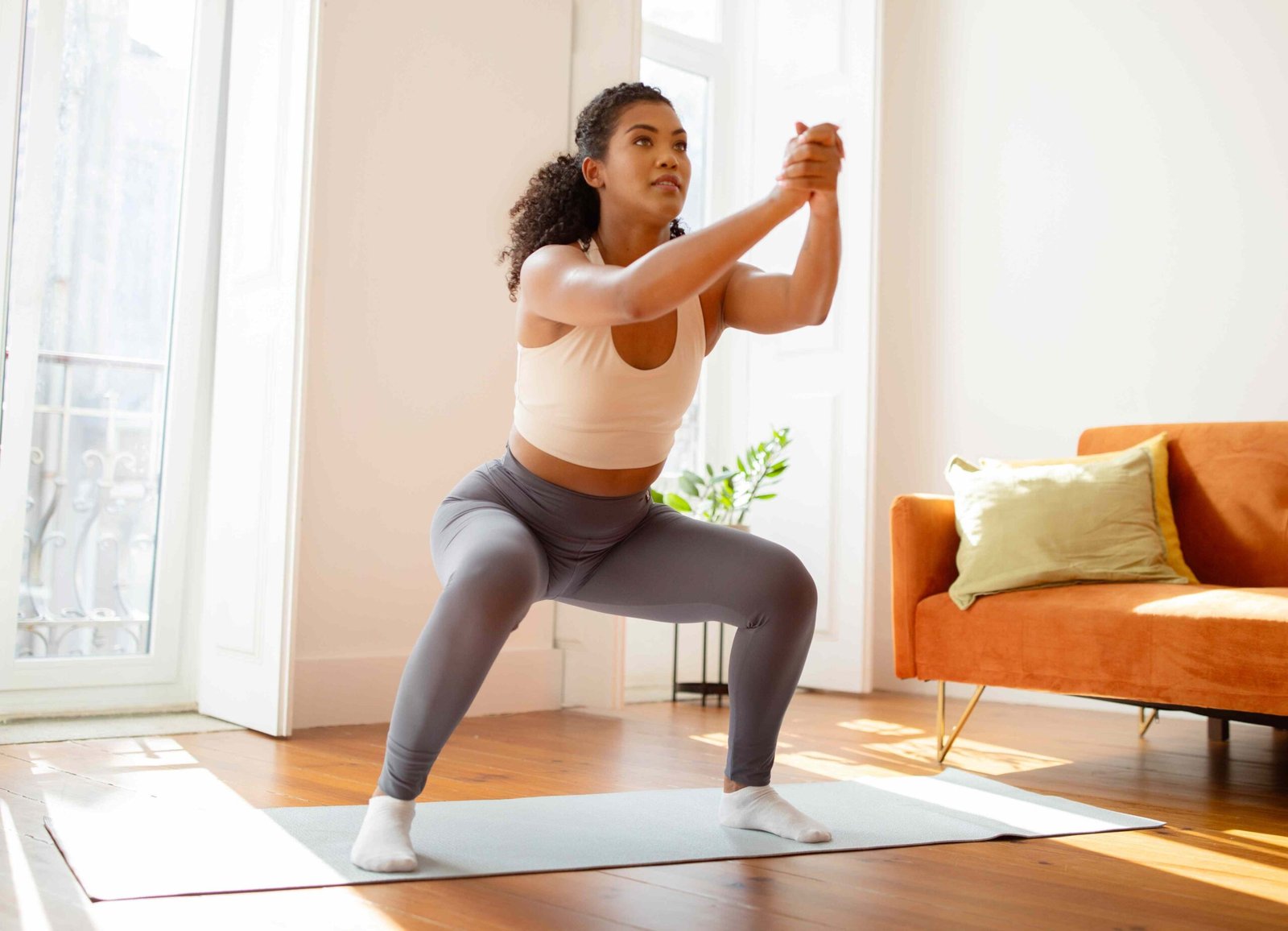
    One common squat mistake is collapsing your knees inward.

    Prostock-Studio / Getty Images

    Share
    Facebook Twitter LinkedIn Pinterest Email


    Squats are a foundational exercise for lower-body strength and mobility, targeting major muscle groups such as the quadriceps, gluteus, and hamstrings. But even small errors in form can lead to injury or reduce effectiveness.

    Below, experts share the five most common mistakes people make while doing squats—plus, how to avoid them.

    One common squat mistake is arching or overly rounding your back in an effort to get a deeper squat, said Sarah Forsyth, CPT, a certified personal trainer in Orlando, Florida.

    When you round your back—on the way up or down—your core isn’t engaged, and your hips aren’t in the proper position, she explained. This positioning raises the risk of lumbar disc injury or chronic low back pain, added Karly Mendez, PhD, senior human performance specialist at Memorial Hermann Rockets Sports Medicine Institute. 

    To avoid this mistake, “maintain a neutral spine with the chest up and core engaged,” Mendez recommended. An alternative is to squat next to a wall with your arms above your head, which “forces you to maintain an upright posture,” said Andrew Carbone, MD, an orthopedic surgeon at Orlando Health.

    Allowing the knees to roll or cave inward during a squat is a common mistake, often caused by weak hips or glutes, or stiff ankles that pull the kneecaps out of alignment, said Forsyth.

    This inward collapse can increase strain on the anterior cruciate ligaments (ACL) and contribute to knee pain or ligament injury, said Mendez. It can also raise the risk of patellofemoral pain syndrome, aka “runner’s knee,” which occurs when the kneecap rubs excessively against the thighbone. Bending the knees too far past your toes may also lead to pain or clicking in the kneecaps, Carbone added.

    To keep the knees in alignment, Mendez advised guiding them to move naturally over the toes. Checking your form in the mirror can help ensure that your knees are pointing straight ahead—not in or out.

    Weighted squats are effective, but adding too much weight, too soon—especially if you’re a beginner—can lead to injury, said Carbone. Common injuries include muscle strains, spine injuries, ligament tears, and tendonitis (inflammation of bands connecting muscle to bone).

    Instead of packing on the heavy weights right away, “start with bodyweight squats and progress gradually,” Mendez said. Focusing first on building core and spine strength can help prevent plateaus and maintain proper form as you move to heavier weights, Carbone added.

    When it comes to squats, it is possible to go too deep. While some people have the range of motion to safely square below 90 degrees, others have “limited ankle and hip mobility, resulting in a limiting range of motion,” Carbone said.

    Pushing past your body’s natural depth can lead to improper form. For example, tight hips may cause excessive internal rotation, causing pain, Carbone explained, while limited ankle mobility can cause the heels to lift off the floor. 

    “Don’t go lower than your ankle mobility or gluteal strength allows,” Carbone said. Mendez agreed, adding that “individual anatomy matters—squat stance and depth should be tailored to the person.”

    Rushing into doing too many heavy-weighted squats is another common misstep, said Alan Beyer, MD, an orthopedic surgeon, medical director of the Hoag Orthopedic Institute in California, and executive director of the Orthopedic Center of Excellence at Hoag Memorial Hospital. Doing more movements than you’re ready for can cause “muscle imbalances, hip irritation, and overuse injuries,” he said.

    To avoid this, start slowly and focus on squats without added weight. Over time, increase the repetitions using light weights, then gradually progress to heavier loads, Forsyth recommended.

    If you’re unsure how much weight to use or reps to perform, a certified personal trainer can help you determine an appropriate plan.

    Avoid Common Injuryand Lead Mistakes Squat
    Share. Facebook Twitter Pinterest LinkedIn Tumblr Email
    Previous ArticleWhat Really Balances Blood Sugar? I Tested 5 Hacks With A CGM
    Next Article How to Relieve Ulcerative Colitis Symptoms During a Flare

      Related Posts

      Stories

      The cost of fuel: for Australians who can, it’s time to embrace ‘green’ transport | Transport

      March 28, 2026
      Stories

      What To Know About BA.3.2, A New, Highly Mutated COVID Variant

      March 26, 2026
      Stories

      Marriage over, €100,000 down the drain: the AI users whose lives were wrecked by delusion | Health & wellbeing

      March 26, 2026
      Add A Comment
      Leave A Reply Cancel Reply

      Top Posts

      New Research Shows Eggs Don’t Raise Your Cholesterol—But Here’s What Does

      August 1, 20256 Views

      6 Best Weightlifting Belts of 2025, According to Trainers

      July 3, 20255 Views

      What happened when I started scoring my life every day | Chris Musser

      January 28, 20262 Views
      Stay In Touch
      • Facebook
      • YouTube
      • TikTok
      • WhatsApp
      • Twitter
      • Instagram
      Latest Reviews
      Tips

      When Is the Best Time to Eat Dinner for Your Health?

      adminJuly 1, 2025
      Diet

      This Intermittent Fasting Method Outperformed the Rest—But There’s a Catch

      adminJuly 1, 2025
      Workouts

      ‘Neckzilla’ Rubel Mosquera Qualifies for 2025 Mr. Olympia After Flex Weekend Italy Pro Win

      adminJuly 1, 2025

      Subscribe to Updates

      Get the latest tech news from FooBar about tech, design and biz.

      Most Popular

      When Is the Best Time to Eat Dinner for Your Health?

      July 1, 20250 Views

      This Intermittent Fasting Method Outperformed the Rest—But There’s a Catch

      July 1, 20250 Views

      Signs, Identification, Impact, and More

      July 1, 20250 Views
      Our Picks

      7 Popular Seafood Spots With the Best Fried Shrimp and Hush Puppies

      March 29, 2026

      7 Chain Restaurants With the Best Blackened Salmon, According to Diners

      March 29, 2026

      5 Standing Exercises That Restore Muscle Tone Faster After 55

      March 29, 2026
      Recent Posts
      • 7 Popular Seafood Spots With the Best Fried Shrimp and Hush Puppies
      • 7 Chain Restaurants With the Best Blackened Salmon, According to Diners
      • 5 Standing Exercises That Restore Muscle Tone Faster After 55
      • 4 Chair Exercises That Target Belly Overhang After 60
      • How Long Should You Hold After 65?
      Facebook X (Twitter) Instagram Pinterest
      • About Us
      • Contact Us
      • Disclaimer
      • Privacy Policy
      • Terms and Conditions
      © 2025 Fit and Healthy Weight. Designed by Pro.

      Type above and press Enter to search. Press Esc to cancel.