

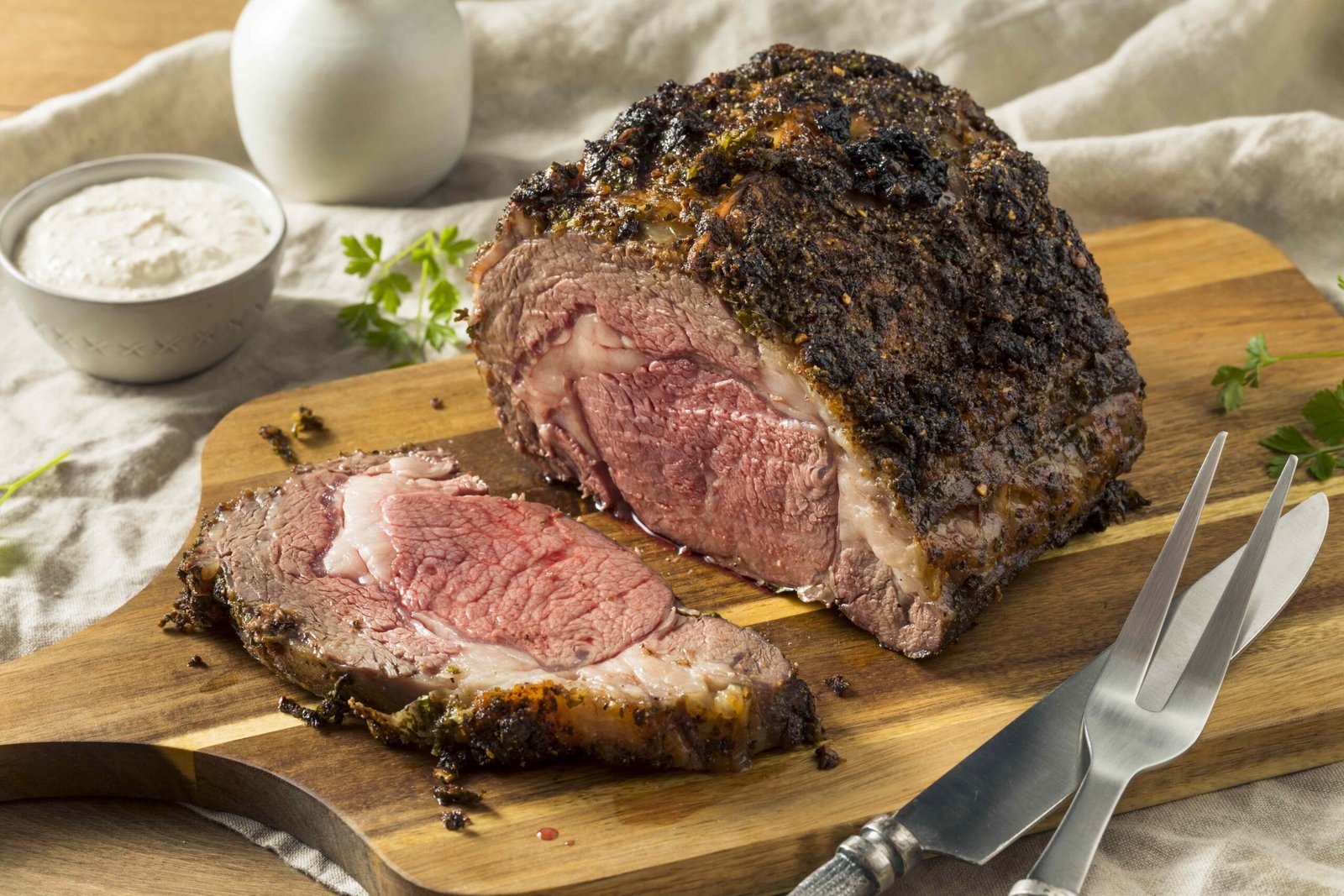
Beef is an excellent source of vitamin B12 (cobalamin). Roasted or cooked boneless beef loin weighing about 114 grams, which is the amount people usually eat in one sitting, contains 4.8 micrograms of vitamin B12.
This is about 200% of the 2.4-microgram recommended daily value (DV) of vitamin B12 for an adult.
There are several other foods richer in vitamin B12 than beef:
Peeradon Warithkorasuth / Getty Images
- Vitamin B12 content: 84.1 micrograms (mcg) (3,504% of the DV)
- Serving size: 3 ounces (oz), cooked
Clams contain a substantial amount of vitamin B12. They are also a great source of lean protein (up to 48.6 grams per 3-ounce serving) and other vitamins and minerals, including:
- Vitamin C
- Folate
- Calcium
- Sodium
- Potassium
- Phosphorus
Polyunsaturated fatty acids are also present in clams. These healthy fatty acids offer various benefits, including supporting the cardiovascular, immune, and endocrine systems and promoting cell formation.
The U.S. Dietary Guidelines list clams as one of the best seafood choices with lower methylmercury content, ideal for children.
BURCU ATALAY TANKUT / Getty Images
- Vitamin B12 content: 60-72.8 mcg (2,500-3,033% of the DV)
- Serving size: 3 oz, cooked
Animal livers are rich sources of vitamin B12. Lamb liver offers the most, with 3 ounces providing 72.8 mcg (3,033% of the DV). Cooked veal has about 72 mcg (2,995% DV), and cooked beef has 60 mcg (2,500% DV).
You also obtain other nutrients when you consume animal liver, such as:
- Protein
- Magnesium
- Potassium
- Selenium
- Vitamin B3
- Folate
- Vitamin A
Animal liver is a significant source of cholesterol. Consuming liver might not affect your blood cholesterol since blood cholesterol is more influenced by the mixture of fats and carbohydrates you eat. Experts believe the relationship between dietary cholesterol and blood cholesterol is complex and requires further research. Still, it is best to consume animal liver in moderation, especially if you have high cholesterol.
Liudmila Chernetska / Getty Images
- Vitamin B12 content: 31.4-67.1 mcg (1,308-2,796% of the DV)
- Serving size: 3 oz, cooked
Kidneys of animals like lamb and veal are rich in vitamin B12. Veal provides 31.4 mcg, and lamb provides 67.1 mcg of B12. This means they support red blood cell formation, the central nervous system, cognitive function, and mental health.
Aside from vitamin B12, organ meats like kidneys are nutrient-dense, providing substantial amounts of:
- Essential amino acids
- Iron
- Selenium
- Zinc
- Copper
- Phosphorus
- Omega-3 fatty acids
Carlo A / Getty Images
- Vitamin B12 content: 24.5 mcg (1,021% of the DV)
- Serving size: 3 oz, cooked
Oysters can be cooked in various ways using different recipes and can be part of any healthy meal. They are a rich source of omega-3 fatty acids, electrolytes, and several minerals.
Oyster also has a remarkably high zinc content. A serving of oysters contains more zinc than a serving of any other food. It contains more than eight times the zinc found in beef.
HUIZENG HU / Getty Images
- Vitamin B12 content: 20.4 mcg (850% of the DV)
- Serving size: 3 oz, cooked
Similar to clams, mussels are mollusks and are nutrient-dense. They are a great source of:
- Lean protein
- Sodium
- Potassium
- Selenium
- Vitamin C
- Folate
Research suggests that mussels also contain unique compounds that may offer medicinal benefits like wound healing, as well as antimicrobial and anti-cancer effects.
wulingyun / Getty Images
- Vitamin B12 content: 9.78 mcg (408% of the DV)
- Serving size: 3 oz, cooked
Crab is a nutritious seafood used widely in global cuisines. Aside from its vitamin B12 content, it also contains:
- Protein
- Sodium
- Phosphorus
- Potassium
- Magnesium
- Vitamin C
- Calcium
You can prepare your crab using different methods, including steaming, broiling, boiling, grilling, or baking. You can also add it to dishes like pasta, stews, rice, and salads.
Carlo A / Getty Images
- Vitamin B12 content: 3.8-7.59 mcg (158-316% of the DV)
- Serving size: 3 oz
You can get a substantial amount of vitamin B12 from eating fatty fish, particularly sardines. Sardines have 7.59 mcg, or 316% of the DV of B12. Other fish also contain considerable amounts of this vitamin, with a 3-ounce cooked serving of trout providing about 5.36 mcg (223% of the DV) and 3 ounces of cooked salmon providing 3.8 mcg (158% of the DV).
The American Heart Association recommends eating fatty fish like sardines, salmon, and trout at least twice a week, as they are rich in omega-3 fatty acids. Omega-3 fatty acids are beneficial for the heart and are associated with a lower risk of cardiovascular disease.
Vitamin B12 is abundant in many animal-based foods, including animal liver, beef (about 1.6 mcg in 3 oz of broiled top sirloin, 66% of the DV), and milk (about 1.5 mcg in 1 cup of low-fat milk, 62% of the DV). Add a variety of them to your diet.
If you are a vegan or vegetarian, you can increase your intake of this vitamin by consuming fortified cereals or supplements.
Speak with a healthcare provider about how much vitamin B12 you need. For example, people who are pregnant or breastfeeding typically need more. You can also talk to your provider about having your vitamin B12 levels assessed if you are taking medications that may affect its levels or have a medical condition that may increase your risk of developing a vitamin B12 deficiency.
