

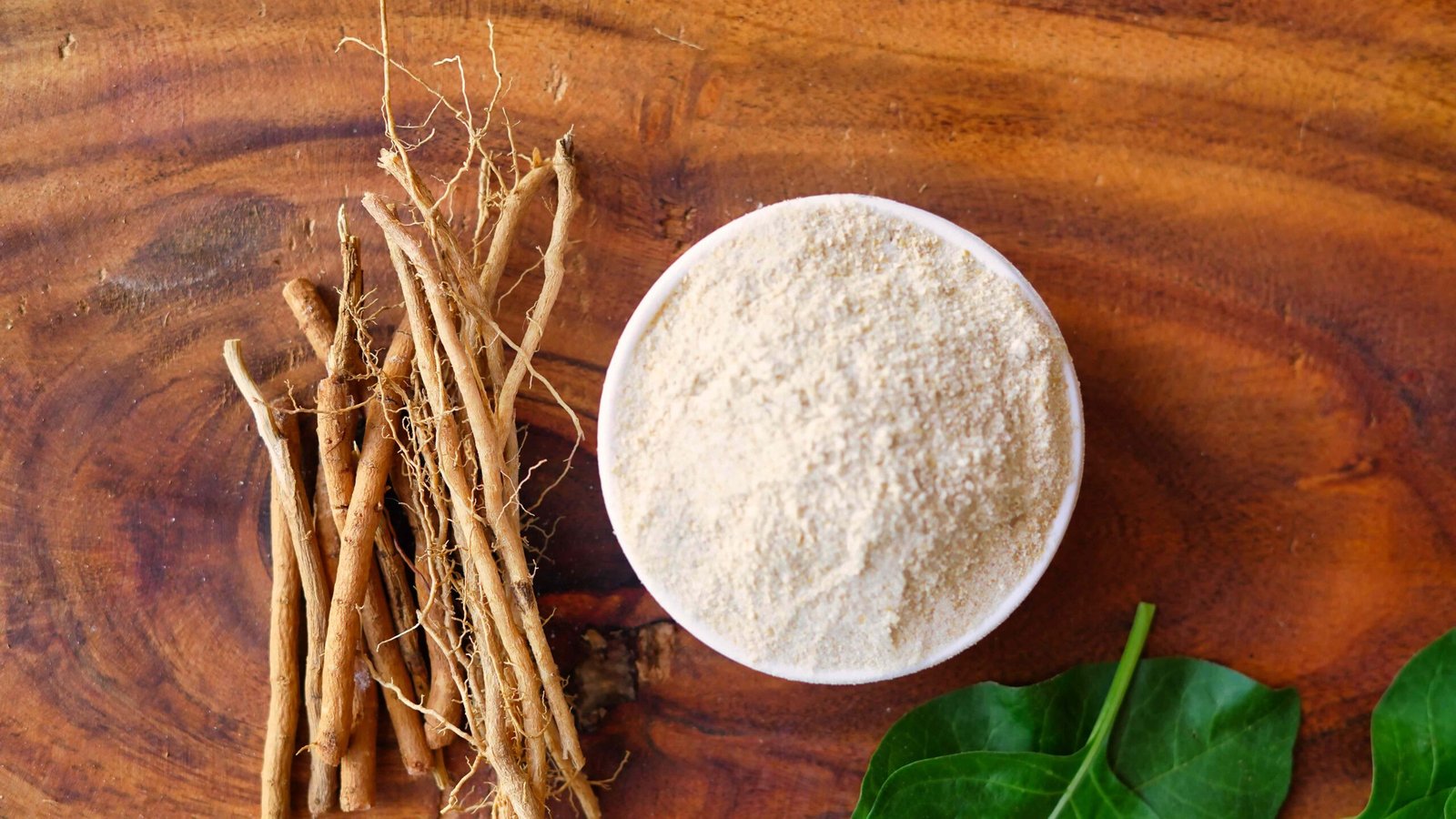
Ashwagandha is an herb that has many applications in Ayurvedic medicine, based on its purported anti-anxiety, anti-inflammatory, antioxidant, and memory-enhancing properties. Although studies show potential benefits, there isn’t enough robust research to say whether ashwagandha actually improves all the conditions people use it for.
Ashwagandha has been used for hundreds of years in Ayurverdic medicine, but its popularity has skyrocketed since adaptogens entered the wellness market. Adaptogens are herbs and plants that may help your body adapt to stress.
Some research supports that ashwagandha supplements may help reduce stress and anxiety. A small 2019 study of 58 people found that those who took 250-600 milligrams of ashwagandha extract for eight weeks had less perceived stress and lower levels of the stress hormone cortisol.
Other small studies of people who took ashwagandha for 60 days found that the supplement reduced symptoms of anxiety and stress.
However, a 2021 review of preclinical and clinical studies concluded that there’s not enough evidence to determine the right dosage and form of ashwagandha for treating stress and anxiety.
Results from a few clinical trials suggest that taking ashwagandha may help improve sleep.
As you sleep, you progress through a series of sleep cycles, each made up of distinct sleep stages. Having interrupted sleep is disruptive to your sleep cycle, potentially causing you to need more sleep than the standard eight hours to feel restored.
A 2021 review of five studies found that taking an ashwagandha supplement in doses of 250-600 milligrams per day had a small but significant effect on improving sleep compared to a placebo. These benefits were greatest when the dosage was 600 milligrams a day and when participants took the supplement for at least eight weeks.
A 2022 study also suggests that, at a dosage of 700 milligrams per day, ashwagandha extract may significantly improve energy levels.
Some research has shown that ashwagandha may play a role in improving athletic performance. A 2020 review found that taking ashwagandha significantly improved the maximum oxygen consumption (VO2 max) in healthy adults and athletes, which can contribute to improved aerobic ability.
Ashwagandha may have some properties that make it a helpful complement to diabetes treatment. A review published in 2024 found that clinical evidence is limited, but some studies suggest that compounds found in ashwagandha, called withanolides, may help protect against insulin resistance and improve HbA1c levels in people with diabetes.
Ashwagandha may help improve aspects of male infertility. A 2018 review of four clinical trials found that participants with symptoms of infertility who took ashwagandha saw improvements in areas including sperm concentration and motility, semen volume, and testosterone level.
Researchers reported no harmful side effects, either. However, they note that these promising results don’t have enough evidence to fully support this benefit and that more clinical trials are needed.
A study published in 2017 suggests that taking ashwagandha may help protect or improve aspects of cognitive function in adults with mild impairment. These aspects include:
- Memory: Your brain’s ability to store and access information and experiences
- Executive function: Allows for planning, problem solving, decision making, and goal-directed behavior
- Attention: The ability to focus and concentrate on something selectively
- Information processing speed: How quickly you can take in and use or respond to information
Participants took a twice-daily dose of 300 milligrams of ashwagandha root extract for eight weeks, which researchers found both safe and effective.
Some research suggests that ashwagandha may be most effective when taken consistently for at least eight weeks. It’s best to check with a doctor before adding a new supplement to your diet. Your doctor can help determine the proper dosage for your overall health and for the benefits you’re interested in achieving.
With your doctor’s guidance, consider adding ashwagandha powder or extract to your coffee, blending it into a smoothie, or mixing it into oatmeal. Ashwagandha is also available as tablets or capsules you can take by mouth.
