

Key Takeaways
- MBSR can help reduce stress and improve symptoms of anxiety, depression, and chronic pain.
- The program involves weekly sessions where participants practice mindfulness techniques like meditation and yoga.
- MBSR was developed by Jon Kabat-Zinn in the 1970s to help those who didn’t respond to traditional therapy.
Mindfulness-based stress reduction (MBSR) is a therapeutic technique in which an instructor guides participants in weekly practices like meditation and yoga in order to reduce stress levels. MBSR is a popular method to help those with anxiety, depression, chronic pain, addiction, immune disorders, high blood pressure, and more.
The goal of MBSR is to bring people into the present moment so they can experience their thoughts and feelings non-judgmentally and avoid worrying about the past or future.
MBSR is often a complementary practice, used alongside other therapies to help people cope with various types of physical and mental distress.
This article covers the definition, history, and benefits of mindfulness-based stress reduction, as well as identifies conditions that may improve as a result of MBSR. It also discusses ways you can practice mindfulness techniques on your own.
History of Mindfulness-Based Stress Reduction
American professor Jon Kabat-Zinn founded mindfulness-based stress reduction in the 1970s at the University of Massachusetts Medical School. He developed an eight-week course to treat patients’ mental health and chronic pain after they hadn’t responded to traditional therapy.
Participants who completed the initial eight-week MBSR course with Kabat-Zinn scored higher on standardized psychological tests with lower pain scores. They also reported a higher quality of life compared to control groups, or people who didn’t undergo MBSR.
Since it was founded, MBSR has gained popularity. It is now used by hospitals and other treatment centers to help alleviate the symptoms of physical and mental health conditions.
What Happens in an MBSR Session
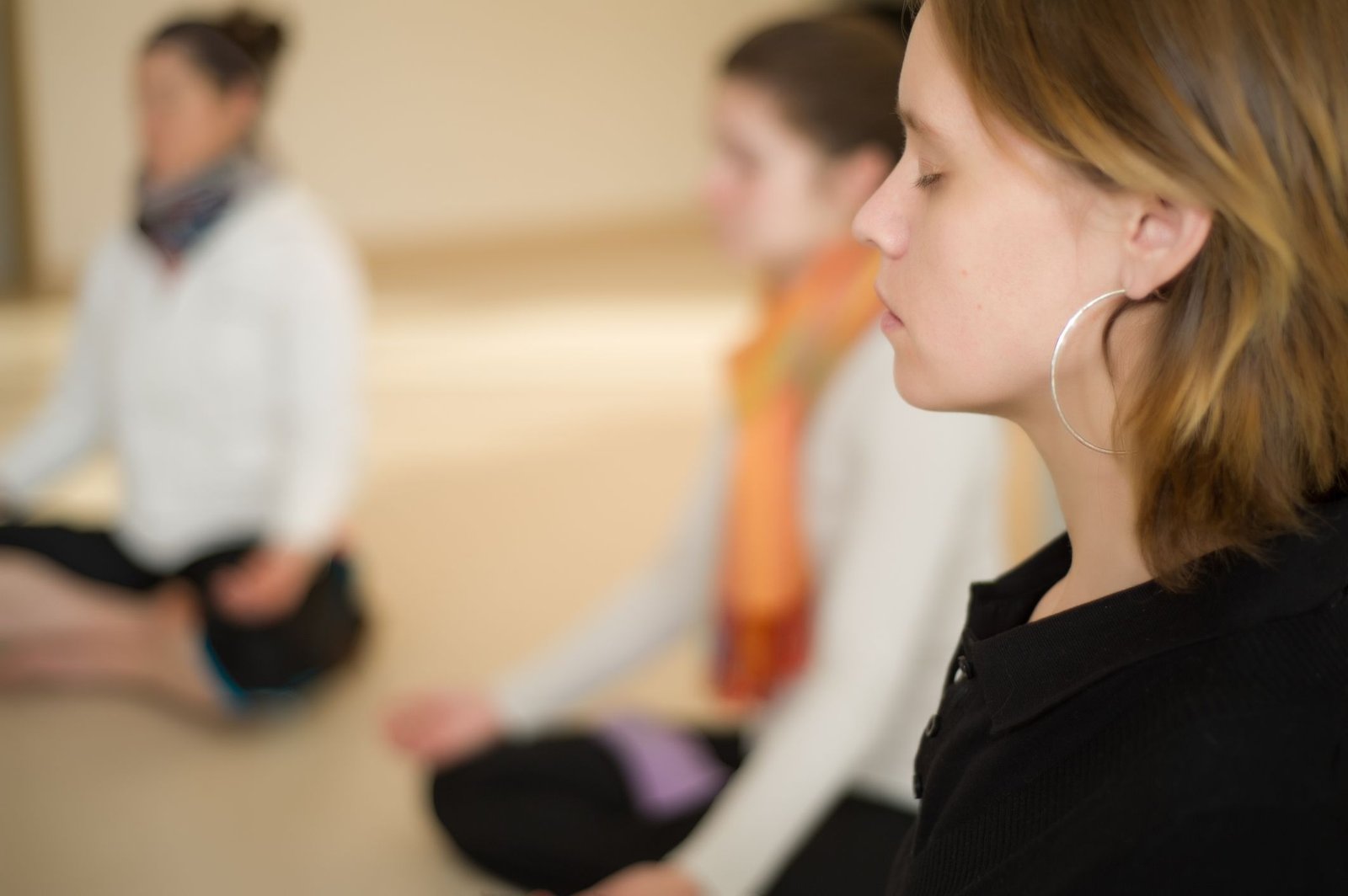
An MBSR program typically runs once a week for eight weeks. The length of each session depends on the program, but usually, they last two to three hours. During each session, a certified instructor teaches participants a mindfulness technique, which they practice together as a group.
During MBSR sessions, individuals strive to cultivate a greater awareness of the present moment. By increasing their mindfulness, participants aim to reduce their overall arousal and emotional reactivity and gain a deeper sense of calm.
MBSR is intended to be done in a group setting with a certified instructor. However, practicing mindfulness techniques on your own is also part of the program.
An instructor teaches the following practices in MBSR sessions:
- Breathing techniques: You may learn diaphragmatic breathing, also known as belly breathing. On an inhale, your belly rises as you fill it up with air; on an exhale, your belly falls as it deflates. This and other types of conscious breathing may slow your heartbeat and lower your blood pressure, helping you feel more relaxed.
- Gratitude journaling: An instructor may encourage you to keep a gratitude journal, which means you write down things in your life you are thankful for. This practice helps to reframe your perspective into a more positive and optimistic one.
- Group dialogue: Members of the group share their experiences as they integrate MBSR techniques into their daily lives.
- Home assignments: Your instructor will most likely give you daily homework for the duration of the program. Assignments may include practicing specific mindfulness techniques, listening to guided meditations, watching informational videos, and/or using a workbook distributed by the instructor.
- Meditation: You’ll be taught mindfulness meditations. One example is a body scan meditation, during which you close your eyes and focus your attention on different areas of your body. The goal is to notice any tension and visualize the discomfort leaving your body. You may also practice loving kindness meditations and mindful eating.
- Yoga: Your instructor will guide you in gentle yoga movements, which may help relax your body and your mind.
Benefits of Mindfulness-Based Stress Reduction
As with any treatment, the benefits you experience from MBSR sessions depend on your unique circumstances. However, research has shown that MBSR has had some promising results for people coping with stress and a variety of other health conditions.
Pain Relief
Mindfulness-based stress reduction may help relieve pain and improve psychological well-being in people dealing with chronic pain conditions. Several studies have noted that MBSR helped improve the quality of life for people dealing with lower back pain.
MBSR may also help people struggling with headaches or migraines experience an improved quality of life and reduce pain-catastrophizing. (Pain-catastrophizing is when a person reports exaggerated levels of pain and/or feels helpless in relationship to their pain.)
Mindfulness can improve the subjective experience of pain. In other words, someone who practices mindfulness may experience a higher pain tolerance and feel more equipped to handle the mental health effects of pain compared to someone who doesn’t practice mindfulness.
Those coping with conditions like rheumatoid arthritis may benefit from MBSR because the mindfulness component of treatment can improve immune function in the body. However, more research is needed to understand the effects of MBSR on arthritis.
Stress Management
When we are unconscious of our thoughts and feelings, we can become immediately reactive to stress and overwhelmed by our emotions.
Mindfulness allows you to notice your experience, or what’s going on inside your body, when it comes to physical or mental distress.
Feeling any resistance to your emotions or the urgency to act right away in a stressful situation? Mindfulness can give you a reprieve from the chaos, and instead, give you time and space to process your feelings first. This may help lower stress levels and promote relaxation.
Physically, mindfulness practices help to slow down the body’s functions, including heart rate, nervous system, and blood pressure. For this reason, MBSR may help someone who is coping with stress as well as those with hypertension (high blood pressure).
Reducing Anxiety and Depression
In general, focusing the mind on the present moment is linked with improved psychological states. Though it may be challenging at first, MBSR can help strengthen the skill to remain in the present.
When we don’t remain in the present moment, our thoughts, actions, and behaviors can become unconscious—eventually, you may realize that the things you think or the things you do don’t align with your values. For instance, many of us unknowingly repress self-critical thoughts and difficult feelings.
When practicing MBSR, participants tune into their inner worlds and feel more accepting of their thoughts and feelings. This may help reduce the severity of anxiety and depression symptoms.
One study found that MBSR reduced anxiety, depression, and suicidal ideation in veterans. Another study found that mindfulness-based cognitive therapy was as effective as antidepressants for preventing depression relapse.
Bias Reduction
Another benefit of mindfulness-based approaches like MBSR is that they can often help people overcome problematic belief systems. One study found that mindfulness techniques had a positive impact on reducing age bias and racial bias as measured by implicit association tests.
Cognitive Improvements
Research suggests that mindfulness-based approaches have cognitive benefits. One study found that MBSR slightly improved memory and attention in participants. MBSR has also been used as an effective complementary treatment for those with attention-deficit hyperactivity disorder (ADHD).
Potential Risks
Since MBSR involves physical movement, you will need to be sure that you’re not straining yourself or worsening any prior injuries.
Consult with an instructor if you’re concerned about performing a certain movement or position. They can help you modify the position into something that feels more comfortable, or you can simply skip it altogether.
During MBSR, you may become aware of thoughts, feelings, memories, or sensations that you never noticed before. As a result, you may experience intense emotions such as sadness, anger, or fear during or after MBSR.
Talk to the instructor and/or a mental health professional if you’re having trouble processing emotions that come up.
MBSR may present a higher risk for:
- People who cope with addiction
- People who have attempted suicide or have suicidal ideation
- People with a history of trauma
- Survivors of abuse
If any of the above applies to you, you may consult a doctor or mental health professional to help you decide whether MBSR is right for you. It may also be helpful to speak with an MBSR instructor about their specific program and any concerns you may have.
If you do begin MBSR, checking in with a mental health professional outside of the MBSR program can be helpful. They can support you during your journey and teach you ways to manage any difficult feelings, memories, or thoughts that arise.
Alternatives and Variations
There are different versions or adaptations of MBSR designed to treat specific conditions. For instance, mindfulness-based cognitive therapy (MBCT) is a form of MBSR that includes mostly the same components as MBSR: meditation, yoga, and bringing yourself into the present moment.
However, MBCT uses more components of cognitive behavioral therapy (CBT), such as teaching healthy coping mechanisms to reframe negative thoughts.
MBCT was developed specifically for people who’ve had depression. It’s a treatment type meant to prevent recurring episodes of depression.
Mindfulness-based relapse prevention (MBRP) is for people who have experienced substance use or addiction. The mindfulness techniques used in MBRP are aimed at helping individuals overcome substance cravings and cope with triggers for using substances.
Mindfulness-based relationship enhancement (MBRE) is a type of couples therapy that focuses on enhancing relationship satisfaction. It uses the same techniques as MBSR.
If MBSR or its variations aren’t for you, you can try cognitive behavioral therapy (CBT). CBT is considered a standard treatment for anxiety and depression. If you prefer a group setting for therapy, cognitive behavioral group therapy (CBGT) may be a better option for you.
Practicing On Your Own
Outside of enrolling in a formal MBSR program, you may practice mindfulness strategies on your own. Try performing daily tasks mindfully. Throughout your day, whether you’re tying your shoes or washing the dishes, you can add a mindfulness component. Become extra aware of what you’re doing.
For instance, when washing the dishes, focus on how the experience affects your senses. Feel the warm water on your hands, the smell of dish detergent, and the weight of the plate in your hands. Using your five senses can help ground you in the present moment, reduce anxiety, and promote relaxation.
You can also practice other MBSR techniques on your own, including mindfulness meditation, body scan meditation, mindful yoga, gratitude journaling, and more.
If you want to learn more about how to add mindfulness to your everyday life, there are plenty of books, apps, podcasts, and online videos that may help guide you in your journey.
Remember, mindfulness is completely about your individual experience and your acceptance of that experience. You may even create new ways of being mindful that work for you.
