

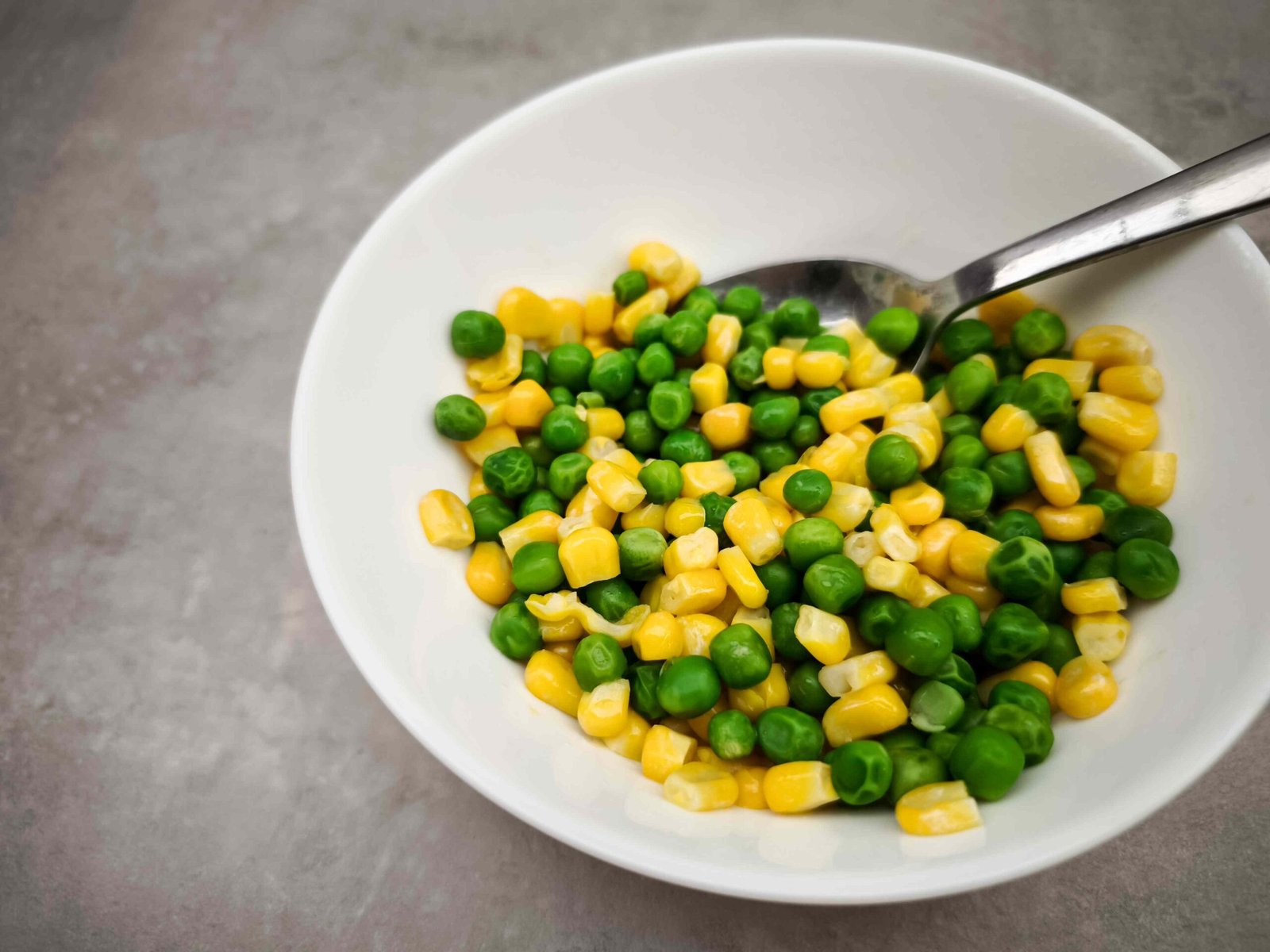
Vegetables can be grouped into two categories: Non-starchy and starchy. Starchy vegetables tend to be higher in carbohydrates and calories per serving than non-starchy vegetables. Starchy vegetables provide fiber, protein, and other essential nutrients needed to maintain overall health.
Most adults should aim to eat about 5 cups of starchy vegetables per week. Here are 10 starchy vegetables you can consider adding to your diet:
Kypros / Getty Images
Like other starchy vegetables, potatoes are a source of complex carbs. They contain fiber and other complex starches that take longer to digest, providing long-lasting energy compared to simple carbs. Complex carbs are less likely to cause blood sugar spikes than simple carbs like white bread and pasta.
In addition to fiber, potatoes are rich in antioxidants, substances that help protect against cell damage and prevent disease. Potatoes are also a good source of vitamin K, vitamin C, and potassium.
One medium-sized (136 grams) potato with the skin on contains:
- Calories: 118
- Protein: 2.5 grams
- Fat: 0 grams
- Carbohydrates: 49 grams
- Fiber: 2.7 grams
- Vitamin K: 37.6 micrograms, or 31% of the Daily Value (DV)
- Vitamin C: 17.8 milligrams, or 20% of the DV
- Potassium: 515 milligrams, or 11% of the DV
Potatoes are higher in carbs than other starchy vegetables but lower in fiber and protein. People watching their carbohydrate intake or blood sugar may need smaller portions of potatoes.
Westend61 / Getty Images
Corn contains insoluble fiber that supports digestion and helps keep bowel movements regular. It also provides carotenoid antioxidants, which may support heart and eye health.
One medium ear of sweet yellow corn provides the following nutrients:
- Calories: 60
- Protein: 2 grams
- Fat: 0.5 grams
- Carbohydrates: 14 grams
- Fiber: 1.8 grams
annick vanderschelden photography / Getty Images
Sweet potatoes are incredibly nutritious root vegetables. They are rich in several nutrients, including vitamin A, fiber, and potassium. One sweet potato covers over 100% of your daily vitamin A needs. The fiber in sweet potatoes has prebiotic properties, meaning it can promote the growth of beneficial bacteria in the gut.
Sweet potatoes are a resistant starch, which the body can’t break down and use for energy. Resistant starch may help with weight management by increasing hormones that make you feel full and reduce fat storage. It can also improve insulin sensitivity (how well your body responds to insulin), which can be beneficial for blood sugar control.
Cooking and cooling sweet potatoes can also help increase their resistant starch content.
One medium sweet potato provides:
- Calories: 112
- Protein: 2 grams
- Fat: 0.1 grams
- Carbohydrates: 26.1 grams
- Fiber: 3.9 grams
- Vitamin A: 922 micrograms, or 102% of the DV
- Potassium: 438 milligrams, or 9% of the DV
paula sierra / Getty Images
Lentils are legumes, which are classified as starchy vegetables. Lentils are an excellent source of plant-based protein and fiber, helping with weight management and gut health. Lentils are also considered a low glycemic index food, meaning they are less likely to cause spikes in blood sugar levels.
In addition to protein and fiber, lentils are packed with iron, potassium, magnesium, and other essential nutrients.
A half-cup serving of cooked lentils provides:
- Calories: 113
- Protein: 9 grams
- Fat: 0.4 grams
- Carbohydrates: 19.3 grams
- Fiber: 7.8 grams
- Iron: 3.3 milligrams, or 18% of the DV
- Magnesium: 35.6 milligrams, or 8% of the DV
- Potassium: 366 milligrams, or 8% of the DV
Peter Chadwick LRPS / Getty Images
Peas are a highly nutritious and versatile legume. They contain many nutrients, including fiber; protein; iron; folate; and vitamins C, K, and B6. The body digests the carbs in peas, slowly making them helpful for blood sugar control, especially in people with type 2 diabetes.
A 1-cup serving of cooked green peas contains the following nutrients:
- Calories: 134
- Protein: 8.6 grams
- Fat: 0.3 grams
- Carbohydrates: 25 grams
- Fiber: 8.8 grams
- Vitamin K: 41.4 micrograms, or 35% of the DV
- Vitamin C: 22.7 milligrams, or 25% of the DV
- Vitamin B6: 0.35 milligrams, or 20% of the DV
- Folate (B9): 63 micrograms, or 16% of the DV
- Iron: 2.46 milligrams, or 14% of the DV
Krit of Studio OMG / Getty Images
Beans are another nutritious legume. They contain plant-based protein, fiber, magnesium, folate, and iron. Studies have linked bean consumption with several health benefits, including weight loss, reduced inflammation, and protection against heart disease. Beans and legumes have been linked to a lower risk of colorectal cancer, though evidence is limited.
A half-cup serving of black beans provides:
- Calories: 120
- Protein: 7.6 grams
- Fat: 0.3 grams
- Carbohydrates: 22.5 grams
- Fiber: 7.7 grams
- Folate: 79.5 micrograms, or 20% of the DV
- Iron: 2.6 milligrams, or 15% of the DV
- Magnesium: 45 milligrams, or 11% of the DV
GMVozd / Getty Images
Butternut squash is a type of winter squash. It’s high in fiber but lower in calories and carbs than most other starchy vegetables. Butternut squash is a concentrated source of antioxidants, including carotenoids and vitamin C, which may help protect against certain types of cancer.
A 1-cup serving of cooked butternut squash contains:
- Calories: 82
- Protein: 1.8 grams
- Fat: 0.2 grams
- Carbohydrates: 21.5 grams
- Fiber: 6.6 grams
- Vitamin A: 1,140 micrograms, or 127% of the DV
- Vitamin C: 31 milligrams, or 34% of the DV
- Potassium: 582 milligrams, or 12% of the DV
Brent Hofacker / 500px / Getty images
Pumpkin is another winter squash with an impressive nutrient profile. Like butternut squash, pumpkin is lower in calories and carbs than other starchy vegetables. It’s also high in potassium and vitamins A and C, which have antioxidant properties and support immune health.
A 1-cup serving of mashed pumpkin provides:
- Calories: 49
- Protein: 1.8 grams
- Fat: 0.2 grams
- Carbohydrates: 12 grams
- Fiber: 2.7 grams
- Vitamin A: 706 micrograms, or 78% of the DV
- Vitamin C: 11.5 milligrams, or 13% of the DV
- Potassium: 564 milligrams, or 12% of the DV
vld.enc / Getty Images
Parsnips are root vegetables high in vitamin C, potassium, magnesium, and folate. They’re also high in fiber, making them a good option for blood sugar control.
One medium-sized (160-gram) cooked parsnip provides:
- Calories: 114
- Protein: 2.1 g
- Fat: 0.5 grams
- Carbohydrates: 27.2 grams
- Fiber: 5.8 grams
- Vitamin C: 20.8 milligrams, or 23% of the DV
- Folate: 92.8 micrograms, or 23% of the DV
- Potassium: 587 milligrams, or 12% of the DV
- Magnesium: 46.4 milligrams, or 11% of the DV
fcafotodigital / Getty Images
While technically a fruit, plantains are commonly used like a starchy vegetable in cooking. They look similar to bananas but have a different taste and nutritional profile.
Plantains are a good source of vitamin C and potassium, though not as high in fiber as many other starchy vegetables. Research suggests that plantains—whether eaten alone or with beans—may help improve blood sugar control in people with type 2 diabetes potentially due to their high concentration of resistant starch.
A half-cup serving of cooked green plantains contains:
- Calories: 83
- Protein: 1.5 grams
- Fat: 0.1 grams
- Carbohydrates: 40 grams
- Fiber: 3.6 grams
- Vitamin C: 12.5 milligrams, or 14% of the DV
- Potassium: 396 milligrams, or 8% of the DV
