

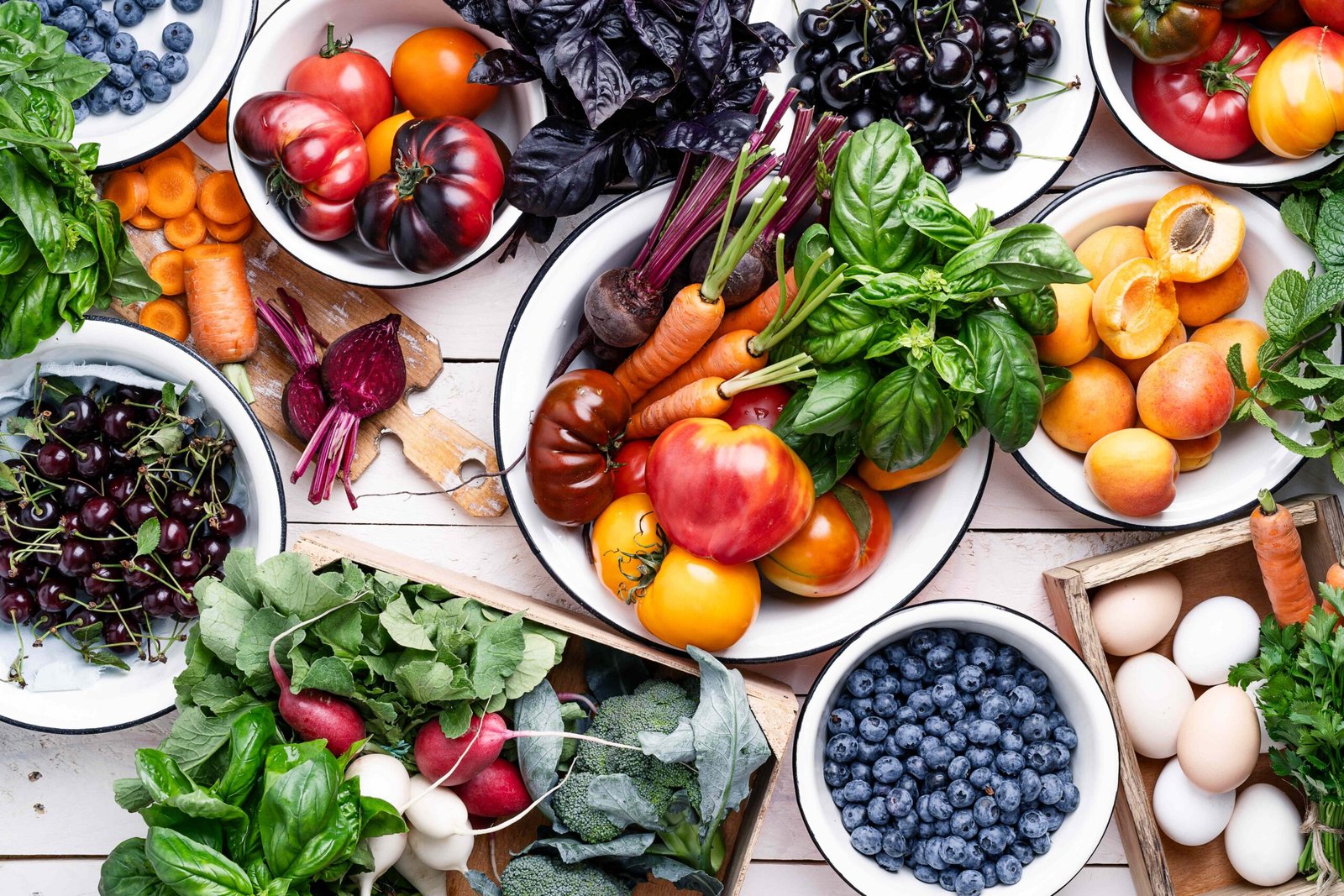
Organic and inorganic foods differ in how they’re produced or grown. If something is organic, it’s made without pesticides, chemical or synthetic fertilizer, or from genetically modified seeds or feed sources. Whether a food is organic or inorganic may influence how nutritious it is.
Though more research is needed to confirm the potential health benefits of organic foods, some studies suggest these benefits may include:
- More of some nutrients: Some organic foods are richer in nutrients like vitamin C, magnesium, calcium, and iron than their inorganic counterparts. Researchers found this with organic corn, wheat, leafy greens, broccoli, tomatoes, and others.
- Improved weight management: Some research has found that people who ate mostly organic had a lower risk of being overweight or developing obesity. However, this finding may have more to do with other factors, like levels of physical activity or economic status.
- Increased fertility: Very preliminary findings suggest that organic diets may improve fertility and increase the chances of successful pregnancies in some people.
- Potential allergy control: Organic foods are made without genetically modified organisms (GMOs), including seeds, feed, or crops with altered genes. A few studies have linked GMOs to an increased risk of allergic reactions, though others haven’t found an effect.
- Reduced risk of cancer: Some studies have linked highly organic diets with a reduced risk of several types of cancer, including breast and colon cancer and lymphoma (blood cancer).
- Reduced risk of diabetes: Researchers have linked the pesticide content in food to chronic diseases like type 2 diabetes. In one study, regular buyers of organic food had lower risks of developing diabetes.
- Reduced risk of metabolic syndrome: Metabolic syndrome is a set of conditions, including high cholesterol, excess weight, and high blood pressure, that increase the risk of heart disease. In a large study, diets high in organic fruit and vegetables reduced the risk of developing this condition.
While there may be differences when you look at specific foods, little evidence suggests that organic foods are by nature healthier than inorganic or conventional varieties.
In fact, there may be other benefits to choosing inorganic foods, including:
- More of some nutrients: Compared to organic, some conventionally grown vegetables may be higher in certain nutrients. Studies found these richer in plant-based nitrates, which reduce heart disease risk, and the antioxidants beta carotene and lycopene.
- Lower cost: Because of how organic foods are produced, they tend to be the higher-cost option. Inorganic foods, which often have a similar nutritional profile, may be less expensive.
- Better shelf-life: Inorganic food products contain preservatives and other ingredients that make them last longer. As a result, they often have a longer shelf-life than their organic counterparts.
The term “organic” refers to certain practices used to grow and produce food. In the United States, agricultural, dairy, or meat products are U.S. Department of Agriculture (USDA)-certified organic when they conform to guidelines, including:
- Organic produce: Produce grown in soil must be certified as free of prohibited substances, including most pesticides and all synthetic fertilizers.
- Organic dairy and meat: Meat or dairy animals have to live in more accommodating living conditions, eat a 100% organic diet, and be given no antibiotics or hormones.
- Organic products: For cereals, snacks, and other foods to be organic, the ingredients must be organic. They can’t contain artificial preservatives, colors, or flavors.
When something is inorganic or conventionally grown, it isn’t produced using organic techniques. This means:
- Farmers may use fertilizers and synthetic pesticides
- Livestock and dairy can use non-organic feed, growth hormones, and antibiotics
- Food products may include non-organic ingredients, artificial preservatives, or flavors
Health concerns about inorganic produce, meat, or products mainly have to do with the pesticides, chemicals, and additives that may be present in these foods. Overall, there’s little evidence that inorganic foods pose more risks. Research into the negative effects of pesticides and other chemicals has relied on levels far higher than those allowed in products sold in the U.S.
There are several reasons to consider choosing organic foods, including potential health benefits, sustainability of farming practices, and animal welfare.
If avoiding pesticides in foods is your goal, organic is the clear choice. How much ends up in inorganic produce varies. Experts have identified the “dirty dozen,” or the 12 inorganic fruits and vegetables that have the highest amounts of pesticides.
You may want to choose organic varieties for these foods, which include:
- Celery
- Peaches
- Strawberries
- Apples
- Blueberries
- Nectarines
- Bell peppers
- Spinach
- Cherries
- Kale
- Potatoes
- Grapes
There are good reasons to go organic, and also good reasons to buy conventional, inorganic foods. People choose organic food because they view it as the healthier, more natural, and environmentally friendly choice. Still, inorganic foods are more widely available and cost less.
Along with the “dirty dozen,” experts have identified the “clean 15,” or the produce with the lowest amounts of pesticide residues.
These foods, which you may consider if you want an inorganic option, include:
- Pineapples
- Sweet corn (fresh or frozen)
- Avocados
- Papaya
- Onion
- Frozen sweet peas
- Asparagus
- Cabbage
- Watermelon
- Cauliflower
- Bananas
- Mangos
- Carrots
- Mushrooms
- Kiwi
For these foods, choosing organic to avoid pesticides may matter less.
