

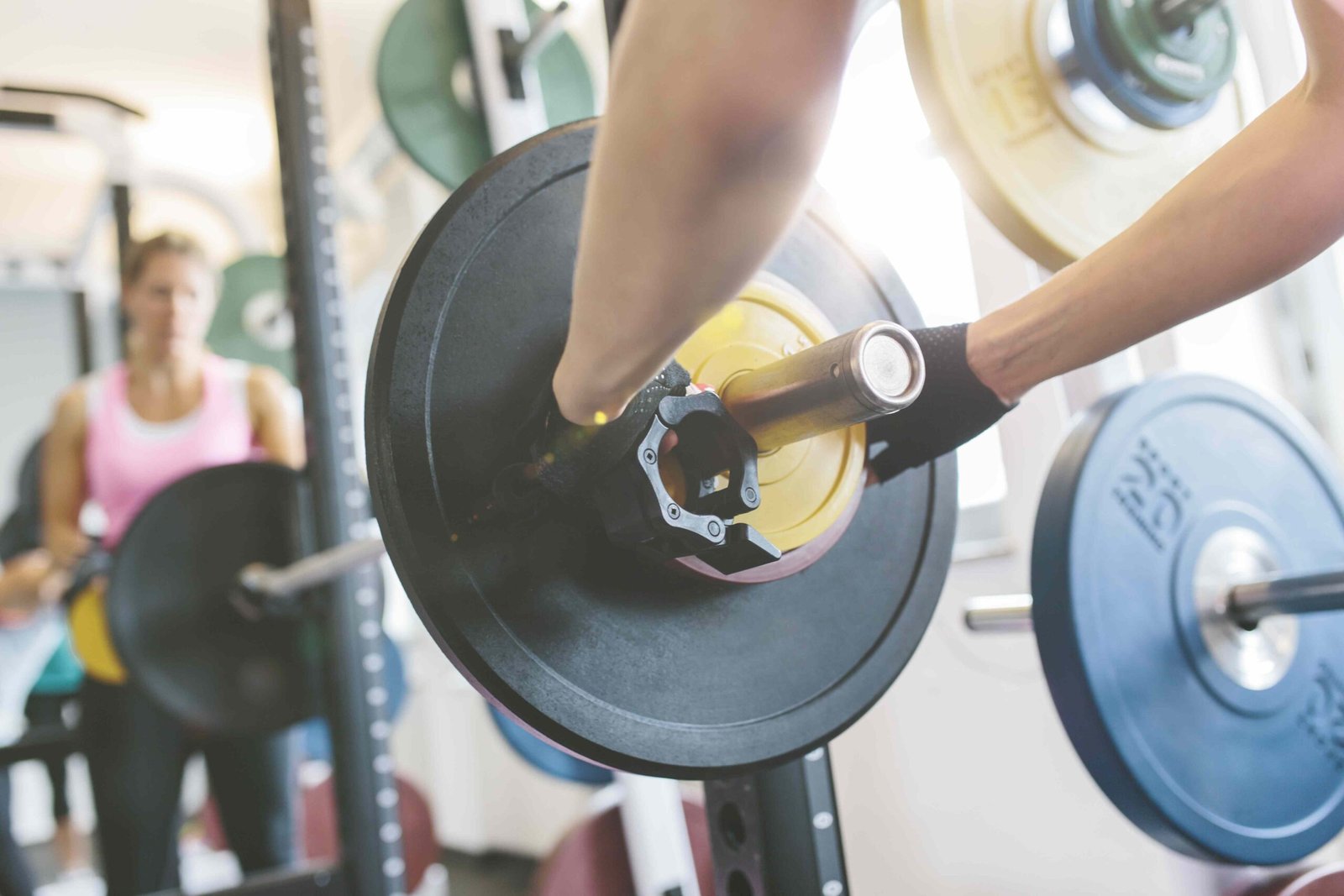
When most people think of anti-aging, they imagine pricey skincare or do-it-all supplements—but strength training may be one of the most powerful ways to keep your body and mind youthful.
Research shows that lifting weights can do more than just tone your muscles—it can help preserve bone density, protect your heart, sharpen your brain, and even extend your lifespan. And it’s never too late to start: older adults who begin resistance training see major improvements in strength, mobility, and energy within just a few months.
Here are seven science-backed ways that you can age better with strength training.
Sarcopenia, or age-related muscle loss, starts in your thirties and ticks up in your sixties and seventies—and strength training is a first-line treatment for it.
“Strength training can help maintain lean muscle in people who are aging,” said Jason Machowsky, RD, CSCS, an exercise physiologist and board-certified sports dietitian.
Having more muscle as you age can also reduce your risk of falls and injuries. Research shows people with sarcopenia are significantly more likely to experience injury-inducing falls than those without it.
Extra muscle mass can improve your posture as well, which is another key to avoiding injury with age.
If you think resistance training only strengthens muscles, you’d be wrong—it’s great for bone strength too, which you also lose as you age. “Loading your bones helps reduce your rate of bone loss as you get older,” said Machowsky.
It can also kickstart bone formation: Research shows that just one year of heavy resistance training helped spur short-term bone formation in older adults.
Mild impact activities—think: hopping, running, or skipping—are best here, but those things take a good amount of balance, strength, and joint integrity. With strength training, older adults can reap those benefits with fewer risks, said Machowsky.
Cardio is important for heart health, but so is resistance training—it’s actally one of the best forms of movement to keep your cardiovascular system strong.
Not only has strength training been associated with improved blood pressure and cholesterol, but it may also help prolong your life: When done twice or three times a week, weight training was shown to reduce the risk of death from heart disease in women, compared to women who didn’t weight train at all.
As you age, your metabolism slows down, and you might gain weight (or have a harder time keeping weight steady). But “having more muscle and regularly [strength] training can help with overall daily calorie burn and weight management,” said Machowsky.
Strength training may also have an regulating blood sugar levels—research shows that the more muscle mass a person has, the better their response to insulin. Insulin resistance, on the other hand, is linked to weight gain as well as prediabetes and type 2 diabetes.
Remember: Your brain is a muscle too, and research shows that regular strength training can help stave off cognitive impairment.
Specifically, resistance training can help protect the hippocampus (the part of your brain responsible for learning and memory) and precuneus (the part that fuels memory) against atrophy, while boosting white matter in adults with mild cognitive impairment.
Plus, Machowsky said exercise of any kind can help promote blood flow to your brain, which might make you feel sharper overall.
Aging often corresponds with cellular inflammation, which can lead to the onset of various age-induced conditions, like cardiovascular disease and type 2 diabetes. But research shows strength training can help cut back on that low-grade cellular inflammation and reduce your risk of disease.
Other research also ties strength training to a reduced risk of cancer and dying from any disease.
There’s no cure-all cream or powder to reverse the hands of time, but strength training might also carry skin benefits.
As you age, your skin loses elasticity, as well as some of the structure and thickness of the dermis, the middle layer of skin. But recent research shows that resistance training can actually “rejuvenate” skin, helping to significantly improve skin elasticity, upper dermal structure, and dermal thickness.
Energy levels typically decrease with age due to a slower metabolism, reduced muscle mass, and age-related health conditions.
But strength training could boost your energy levels. “When you strength train, your energy is improved due to better circulation, a release of endorphins, and an increased metabolism,” said Machowsky.
Research also notes that muscle strength can be a major predictor of a person’s ability to execute ADL, or activities of daily living, effectively—things that get tougher with age.
Strength training might seem like a form of exercise associated with bodybuilders and seasoned athletes, but it’s never too late to pick up a routine and start seeing improvements in your health at any age.
Your best bet for starting a routine that sticks? Ease into it. “If people haven’t been exercising at all and are older or frailer, then it’s important to start with training for balance and flexibility/mobility and then moving on to strength,” said Hollis Day, MD, MS, MHPE, Chief of Geriatrics at Boston Medical Center.
“Even starting as little as once a week can be helpful, and gradually build up [from there], said Day. “And make sure you’re targeting your upper and lower body.”
While strength training can certainly increase your longevity and ensure you live longer, it can also ensure those extra years are active, enjoyable, and spent doing what you love.
