
Close Menu
Fit and Healthy Weight

    Subscribe to Updates

    Get the latest creative news from FooBar about art, design and business.

    What's Hot

    The Texas Method Workout Explained: The Strength Program That Can Help Intermediate Lifters Break Plateaus

    May 21, 2026

    People in the UK: why do you love spending time in nature? | Health & wellbeing

    May 21, 2026

    Balance Exercises After 60 To Test Your Stability

    May 21, 2026
    Facebook X (Twitter) Instagram
    Facebook X (Twitter) Instagram
    Fit and Healthy Weight
    Thursday, May 21
    • Home
    • Diet
    • Mindset
    • Recipes
    • Reviews
    • Stories
    • Supplements
    • Tips
    • Workouts
    Fit and Healthy Weight
    Home»Diet»Is the Number of Times You Pee a Day Normal?
    Diet

    Is the Number of Times You Pee a Day Normal?

    By October 11, 2025No Comments3 Mins Read
    Share Facebook Twitter Pinterest LinkedIn Tumblr Reddit Telegram Email
    Is the Number of Times You Pee a Day Normal?
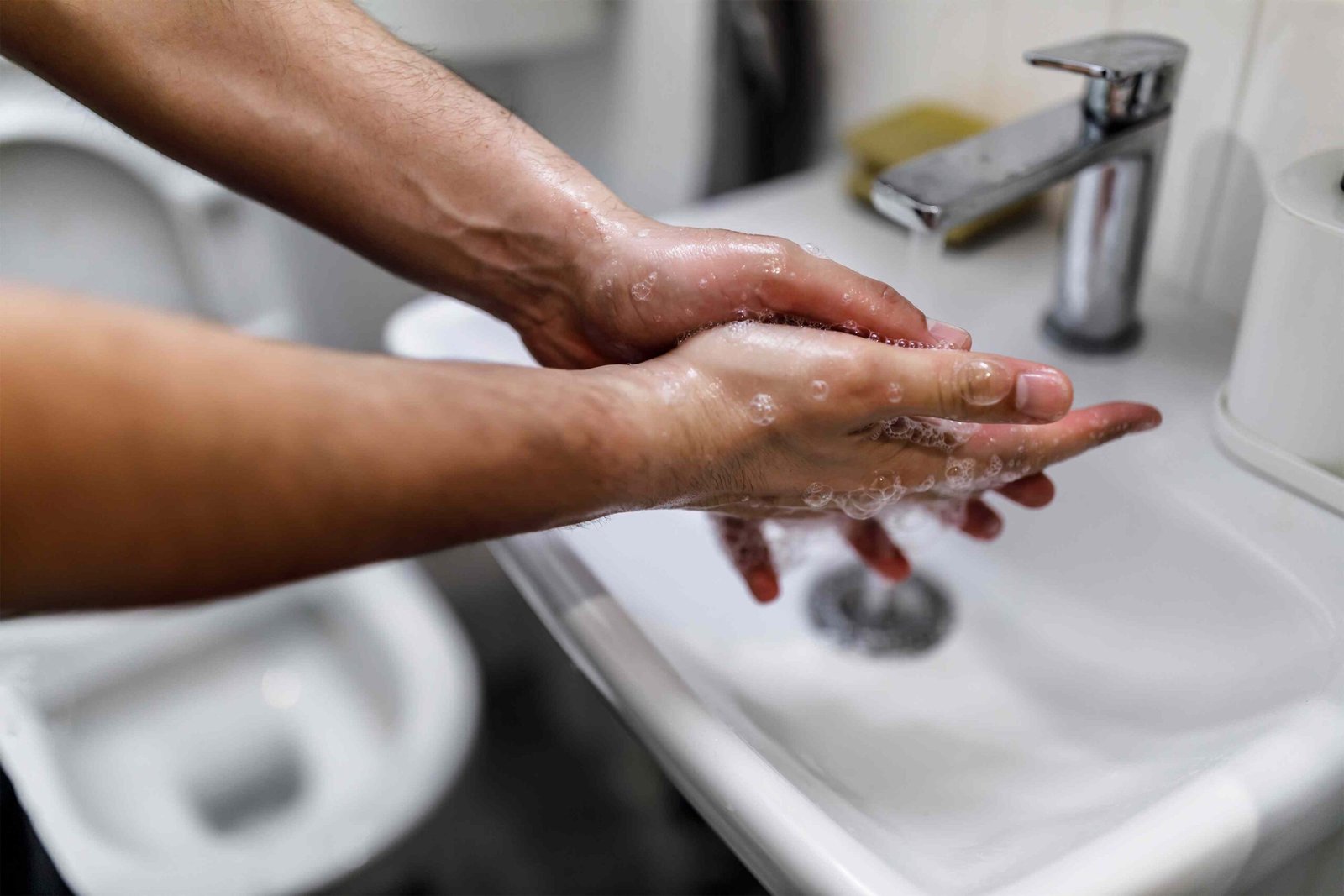
    How often you need to pee can change from day to day based on several lifestyle factors.

    ProfessionalStudioImages / Getty Images

    Share
    Facebook Twitter LinkedIn Pinterest Email


    Most people urinate about six to eight times a day, though anywhere between 4-10 times can be normal. How often you pee depends on many factors, including the amount of water and other fluids you drink, as well as lifestyle factors and your overall health. 

    How often you need to pee can vary day to day. Several factors influence your bathroom habits, including:

    • Fluid intake: Drinking more fluids, especially water, naturally makes you pee more often. How quickly you drink also plays a role. Drinking a large amount at once can send you to the bathroom more quickly and more often than sipping slowly throughout the day.
    • What you drink: Certain beverages can increase the number of times you have to pee. For example, alcohol and caffeinated beverages like coffee and tea are mild diuretics, meaning they increase urine production.
    • Bladder capacity: On average, women’s bladders hold about 17 ounces (500 milliliters) of urine, while men’s hold about 24 ounces (700 milliliters). Capacity can vary, but how often you need to pee usually depends more on bladder function than size anyway. With an overactive bladder, for instance, the bladder muscles contract involuntarily and trigger frequent urges to go. 
    • Activity level: Exercise helps your body eliminate excess fluids, which may lead to increased urination. You may notice you pee more frequently on days when you’re more physically active. 
    • Medications: Certain medications, such as diuretics (water pills), help your body eliminate excess fluids and can increase urination frequency. Blood pressure medications and lithium can also make you pee more often.
    • Age: Bladder muscles can weaken as you get older, making it harder to hold in your pee or empty your bladder fully. This can lead to more frequent urination or cause you to feel the urge to go more often. 
    • Diet: A high-sodium diet can increase urination as your body works to eliminate excess salt. Some foods, such as citrus fruits, tomatoes, and spicy foods, may also irritate the bladder and trigger more frequent urination urges.

    Everyone’s “normal” for how many times they pee each day can vary. With regular fluid intake of about 8 cups (2 liters), most adults produce between 27-67 ounces (800-2,000 milliliters) of urine daily.

    Signs You’re Peeing Too Much

    Excessive urination (polyuria) is when you produce more than 67 ounces (2.5 liters) of urine per day.

    Symptoms: With polyuria, you may also experience:

    Causes: Several factors and conditions can make you urinate more frequently, including:

    • Intake of lots of fluids
    • Consumption of caffeinated beverages (like coffee, tea, and energy drinks) or alcohol 
    • Intake of diuretic medications
    • Electrolyte imbalance
    • Diabetes or uncontrolled blood sugar
    • Kidney disease

    Signs You’re Not Peeing Enough

    Decreased urination (oliguria) means you’re producing less than about 13 ounces (400 milliliters) of urine per day.

    Symptoms: If you’re peeing too little, you may also notice:

    • Dark yellow or amber urine
    • Dizziness 
    • Lightheadedness
    • Rapid heartbeat 

    Causes: Several conditions and factors can lead to decreased urination, including:

    • Dehydration
    • Kidney disease or injury
    • Urinary tract blockages, such as kidney stones or an enlarged prostate
    • Medications that reduce urine output, such as non-steroidal anti-inflammatory drugs (NSAIDs) 
    • Severe infections or shock
    Day Normal number pee Times
    Share. Facebook Twitter Pinterest LinkedIn Tumblr Email
    Previous ArticleGoing to the gym was too much effort, until I moved into one | Fitness
    Next Article This Martha Stewart Side Is Perfect for Thanksgiving

      Related Posts

      Diet

      30 Easy Summer Grill Recipes

      May 20, 2026
      Diet

      How I’ve Decluttered, Donated, and Simplified My Life • Kath Eats

      May 20, 2026
      Diet

      Homemade Italian Dressing

      May 20, 2026
      Add A Comment
      Leave A Reply Cancel Reply

      Top Posts

      New Research Shows Eggs Don’t Raise Your Cholesterol—But Here’s What Does

      August 1, 20256 Views

      6 Best Weightlifting Belts of 2025, According to Trainers

      July 3, 20255 Views

      Which Is Better for Sleep?

      February 7, 20263 Views
      Stay In Touch
      • Facebook
      • YouTube
      • TikTok
      • WhatsApp
      • Twitter
      • Instagram
      Latest Reviews
      Tips

      When Is the Best Time to Eat Dinner for Your Health?

      adminJuly 1, 2025
      Diet

      This Intermittent Fasting Method Outperformed the Rest—But There’s a Catch

      adminJuly 1, 2025
      Workouts

      ‘Neckzilla’ Rubel Mosquera Qualifies for 2025 Mr. Olympia After Flex Weekend Italy Pro Win

      adminJuly 1, 2025

      Subscribe to Updates

      Get the latest tech news from FooBar about tech, design and biz.

      Most Popular

      When Is the Best Time to Eat Dinner for Your Health?

      July 1, 20250 Views

      This Intermittent Fasting Method Outperformed the Rest—But There’s a Catch

      July 1, 20250 Views

      Signs, Identification, Impact, and More

      July 1, 20250 Views
      Our Picks

      The Texas Method Workout Explained: The Strength Program That Can Help Intermediate Lifters Break Plateaus

      May 21, 2026

      People in the UK: why do you love spending time in nature? | Health & wellbeing

      May 21, 2026

      Balance Exercises After 60 To Test Your Stability

      May 21, 2026
      Recent Posts
      • The Texas Method Workout Explained: The Strength Program That Can Help Intermediate Lifters Break Plateaus
      • People in the UK: why do you love spending time in nature? | Health & wellbeing
      • Balance Exercises After 60 To Test Your Stability
      • Brendan Wayne Shares His Transformation for Wearing 62 Pounds of Armor for ‘The Mandalorian’
      • I’m 21 and anxious about the future. How do I take care of myself without living in a bubble? | Australian lifestyle
      Facebook X (Twitter) Instagram Pinterest
      • About Us
      • Contact Us
      • Disclaimer
      • Privacy Policy
      • Terms and Conditions
      © 2025 Fit and Healthy Weight. Designed by Pro.

      Type above and press Enter to search. Press Esc to cancel.