
Close Menu
Fit and Healthy Weight

    Subscribe to Updates

    Get the latest creative news from FooBar about art, design and business.

    What's Hot

    36 Hours in Queenstown, New Zealand: Things to Do and See

    April 2, 2026

    7 Steakhouses With the Best Steakhouse Sides Worth Ordering

    April 2, 2026

    That’s So Meta(bolic)

    April 2, 2026
    Facebook X (Twitter) Instagram
    Facebook X (Twitter) Instagram
    Fit and Healthy Weight
    Thursday, April 2
    • Home
    • Diet
    • Mindset
    • Recipes
    • Reviews
    • Stories
    • Supplements
    • Tips
    • Workouts
    Fit and Healthy Weight
    Home»Workouts»This Diet Can Cancel Out Some of Your Genetic Risk for Dementia, According to New Research
    Workouts

    This Diet Can Cancel Out Some of Your Genetic Risk for Dementia, According to New Research

    By August 25, 2025No Comments4 Mins Read
    Share Facebook Twitter Pinterest LinkedIn Tumblr Reddit Telegram Email
    This Diet Can Cancel Out Some of Your Genetic Risk for Dementia, According to New Research
    Share
    Facebook Twitter LinkedIn Pinterest Email

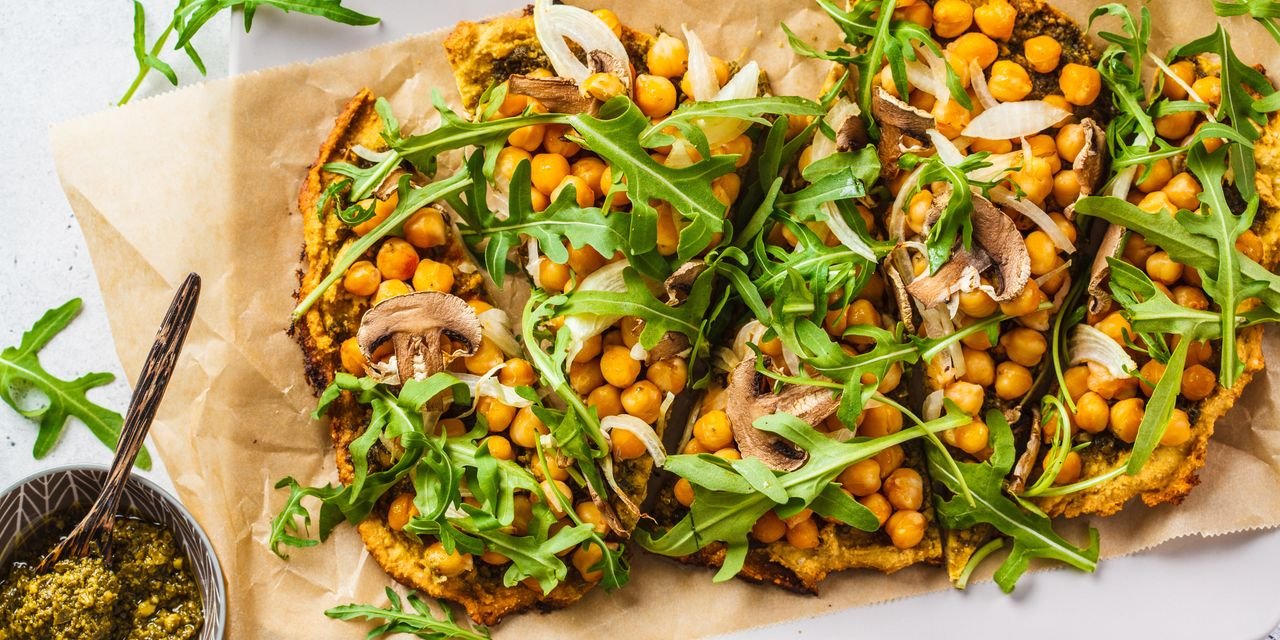
    The mountain of evidence backing the health perks of the Mediterranean diet—one that highlights plant foods and fish, and de-emphasizes red and processed meats—just grew again. A study using data from more than 5,700 people gathered over 34 years found that the participants who stuck to the Mediterranean diet were less likely to wind up with dementia.

    But the biggest benefit cropped up in the people who had the highest genetic risk for Alzheimer’s disease—those with two copies of the apolipoprotein E4 (APOE4) variant. (For reference, carrying just one of these genes makes you three to four times as likely to develop the disease; sport two of them, and that jumps to a 12-fold risk compared to those with none.) Participants in the double APOE4 camp who followed a baseline Mediterranean diet were 35% less likely to get dementia, and the more closely their diet tracked with the Mediterranean ideal, the more they slashed their risk. (By comparison, people with zero or one APOE4 variant experienced more modest benefits, around 5% risk reduction.)

    To get at why, the researchers dug into the metabolic profiles of people in each genetic risk group. It’s been previously shown that the APOE4 variant can affect how people process or metabolize certain foods, particularly lipids (a.k.a. fats), Yuxi Liu, PhD, first author on the study and a research fellow in the Department of Medicine at Brigham and Women’s Hospital, tells SELF. For starters, it can trigger accumulation of certain lipids in the brain, sparking the kind of inflammation that can cause damage and put you on a slippery slope to dementia. Dr. Liu and her team pinpointed several differences in fat-related and other metabolic outcomes in the double-APOE4 folks that could explain why they were both much more at risk for dementia and more responsive to the helpful influence of the Med diet.

    The overall thinking is that having two APOE4 variants messes with elements of your metabolism, and subscribing to the Mediterranean diet could help resolve that disruption by supplying your body and brain with a surplus of certain nutrients. That’s a huge deal since you can’t control your genes—but you can certainly determine what foods you eat. And while it’s long been thought that there was little you could do to meaningfully stave off cognitive decline if you were stuck with the highest-risk genetic profile for Alzheimer’s, this new research suggests otherwise. Exactly which aspects of the Mediterranean diet are responsible for the bulk of the potential benefits and how they drive those changes could be great subjects for future research, Dr. Liu points out.

    But for now, we know that there’s plenty of brain-related upsides to generally following the Mediterranean approach, which, again, hinges on eating lots of fruits, vegetables, whole grains, fish, legumes, nuts, and seeds, and cutting back on red and processed meats and alcohol. Previous research has found that older folks who closely followed a version of the Mediterranean diet called the MIND diet (Mediterranean-Dash Intervention for Neurodegenerative Delay) experienced slower aging and were less likely to develop dementia over the course of 14 years than those who didn’t; and several other large studies have identified the risk-reducing powers of the Med diet for dementia, particularly in women, and as it relates to certain Alzheimer’s-related features in the brain.

    It’s the reason Dr. Liu is so excited about the future of diet-dementia studies: We’re approaching an era of “precision nutrition,” she says, where we might soon be able to prescribe specific dietary interventions tailored to people’s genetic backgrounds, and actively thwart their dementia risk.

    Related:

    Get more of SELF’s great service journalism delivered right to your inbox.

    Cancel Dementia Diet Genetic Research Risk
    Share. Facebook Twitter Pinterest LinkedIn Tumblr Email
    Previous ArticleGarlic-Butter Butternut Squash Steaks
    Next Article 4 Ways To Use Turmeric’s Benefits for Reducing Inflammation

      Related Posts

      Workouts

      7 Reasons Why You Might Feel Hungry Even After Eating

      April 2, 2026
      Workouts

      You’re Probably Eating More Fat and Calories Than the Label Says—Here’s Why

      April 2, 2026
      Workouts

      On a GLP-1? This Is the Workout Plan That Helps You Keep Muscle

      April 1, 2026
      Add A Comment
      Leave A Reply Cancel Reply

      Top Posts

      New Research Shows Eggs Don’t Raise Your Cholesterol—But Here’s What Does

      August 1, 20256 Views

      6 Best Weightlifting Belts of 2025, According to Trainers

      July 3, 20255 Views

      What happened when I started scoring my life every day | Chris Musser

      January 28, 20262 Views
      Stay In Touch
      • Facebook
      • YouTube
      • TikTok
      • WhatsApp
      • Twitter
      • Instagram
      Latest Reviews
      Tips

      When Is the Best Time to Eat Dinner for Your Health?

      adminJuly 1, 2025
      Diet

      This Intermittent Fasting Method Outperformed the Rest—But There’s a Catch

      adminJuly 1, 2025
      Workouts

      ‘Neckzilla’ Rubel Mosquera Qualifies for 2025 Mr. Olympia After Flex Weekend Italy Pro Win

      adminJuly 1, 2025

      Subscribe to Updates

      Get the latest tech news from FooBar about tech, design and biz.

      Most Popular

      When Is the Best Time to Eat Dinner for Your Health?

      July 1, 20250 Views

      This Intermittent Fasting Method Outperformed the Rest—But There’s a Catch

      July 1, 20250 Views

      Signs, Identification, Impact, and More

      July 1, 20250 Views
      Our Picks

      36 Hours in Queenstown, New Zealand: Things to Do and See

      April 2, 2026

      7 Steakhouses With the Best Steakhouse Sides Worth Ordering

      April 2, 2026

      That’s So Meta(bolic)

      April 2, 2026
      Recent Posts
      • 36 Hours in Queenstown, New Zealand: Things to Do and See
      • 7 Steakhouses With the Best Steakhouse Sides Worth Ordering
      • That’s So Meta(bolic)
      • 7 Reasons Why You Might Feel Hungry Even After Eating
      • 7 Fast-Food Menu Traps That Add Hidden Calories Fast 
      Facebook X (Twitter) Instagram Pinterest
      • About Us
      • Contact Us
      • Disclaimer
      • Privacy Policy
      • Terms and Conditions
      © 2025 Fit and Healthy Weight. Designed by Pro.

      Type above and press Enter to search. Press Esc to cancel.