

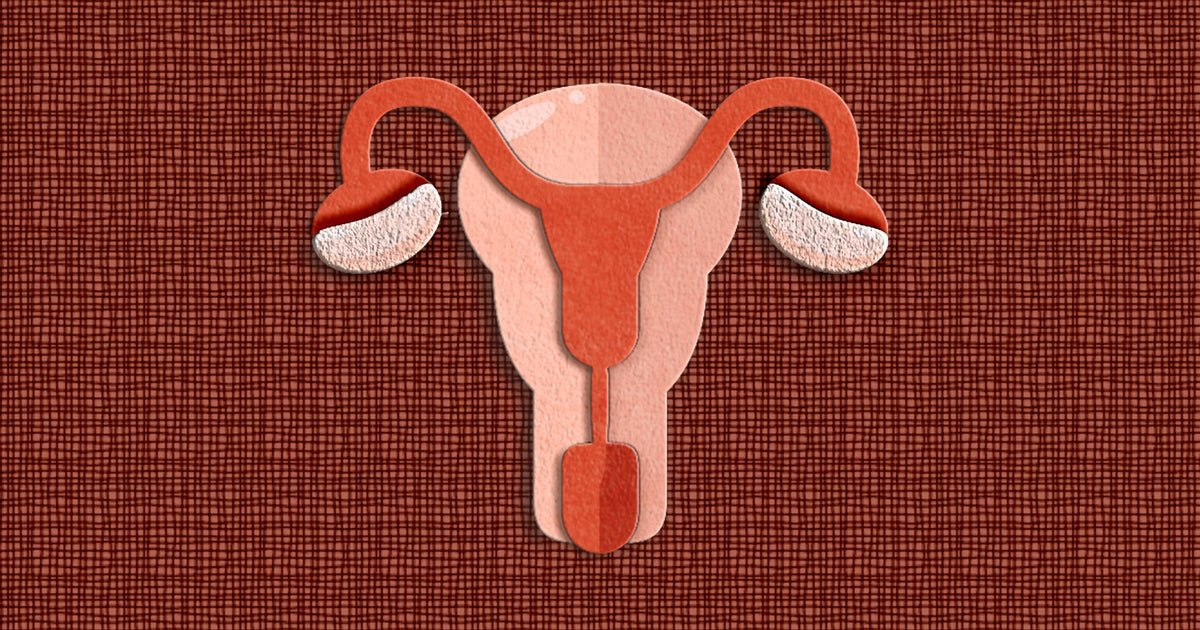
Our bodies contain a delicate balance of hormones ― and when that’s out of whack, it can lead to trouble for some people who menstruate.
PCOS, or polycystic ovary syndrome, impacts millions of people, resulting in a host of different issues that may not seem connected at first. According to Krystal Thomas-White, a senior scientist at Evvy, a company that creates at-home vaginal microbiome tests, PCOS is a condition that is caused by a hormonal imbalance.
“Specifically, people with PCOS have abnormally high levels of androgen hormones [like testosterone], which can disrupt the balance of hormones that regulate the menstrual cycle and [can] prevent ovulation,” she said.
Carol Yepes via Getty Images
Roughly 5 million people have PCOS, a hormonal imbalance that can lead to many issues, including infertility.
Dr. Beth Oller, a family medicine physician in Kansas, added that “in PCOS, multiple small follicles or cysts develop along the edge of the ovary,” making it difficult for the ovaries to regularly release eggs. This can result in a lack of ovulation when this happens.
Unfortunately, PCOS can be difficult to diagnose because of the vast symptoms that accompany it, and often becomes a larger and more stressful problem when someone is trying to conceive. Here are some of the most common signs of PCOS, according to experts:
Inconsistent or difficult periods
Irregular periods are chalked up to many things — stress, pregnancy, certain medicines, excessive exercise and more. According to Oller, PCOS can be another reason behind them.
“Most people with PCOS have irregular periods. Sometimes this means having periods that last longer than most, and it often means having fewer than normal periods a year,” she said.
That can mean having more than 35 days between periods, Oller added. The average time between periods is 28 days, but a normal range can be anywhere from 21 to 35 depending on the person.
Additionally, people with PCOS can also experience heavy bleeding during periods, according to the Cleveland Clinic.
Unexpected facial and body hair
The high levels of androgen hormones caused by PCOS can lead to an increase in facial and body hair, which is known as hirsutism, according to Thomas-White. People with hirsutism will likely notice that this facial and body hair looks different from the hair that’s elsewhere on the body.
Hirsutism results in dark and coarse hair, according to the Mayo Clinic, and occurs in places that typically are associated with male hair growth ― the back, chest and areas on the face like the chin and upper lip.
Moyo Studio via Getty Images
Having dark and coarse facial or body hair could be a sign of PCOS.
On the other hand, hair thinning can be a sign of PCOS, too
While an influx of hair in places like the face is common among people with PCOS, it is also common for the opposite to happen. Many people with PCOS also experience hair loss or hair thinning, Thomas-White noted.
Hair loss in women looks different than it does in men — women likely won’t experience a receding hairline. Instead, the hair thinning normally starts along the part and generally happens at the top of the head, according to Harvard Health.
Difficulty getting pregnant
“It is often difficult to get pregnant with PCOS because periods are irregular and ovulation does not frequently occur,” Oller explained. In fact, many people only realize they have PCOS when they are trying to get pregnant, according to the Centers for Disease Control and Prevention.
Generally, people who want to become pregnant track ovulation because it signifies that an egg has been released and is a sign that one is at their most fertile. The high amount of androgen in the body makes ovulation harder and less frequent in people with PCOS, Oller said. This is why many people discover something may be wrong when they’re actively trying.
Acne
During a breakout, it can be hard to determine the cause behind acne — is it a change in face wash? Dirty makeup brushes? Hormone-driven acne before a period? Now, you have one more avenue to explore.
According to Dr. Heather Hipp, an associate professor in the department of gynecology and obstetrics at Emory University School of Medicine, many people with PCOS struggle with acne.
“Acne is really common in a lot of young patients, but patients with PCOS tend to have more severe acne and then it persists even as [they] get older,” Hipp said.
This acne is a result of higher production of oil ― particularly a production of sebum. In addition to the face, PCOS-induced acne can appear on the chest and back, too, Hipp said.
Skin tags or other changes
According to the Office on Women’s Health (OASH), some people who have PCOS will notice skin tags, which are “little flaps of extra skin.” They can sometimes look like enlarged freckles or small moles, and for people with PCOS, they are likely to be found on the neck or in the armpits.
Family history
“Certain genes may also be linked to PCOS, which means a family history may increase your chance” of having the condition, Oller said.
She noted that having a female first-degree relative (like your mom) with PCOS increases the chance that it’ll be passed on to you, however, Oller noted “it is a complex genetic trait,” which could mean it can be passed down elsewhere, too.
Hipp added that a strong family history of diabetes in male or female relatives could also mean you’re more likely to have PCOS.
Weight management issues
According to Hipp, weight gain and trouble losing weight are common signs of PCOS.
“About 80% of patients with PCOS do struggle with weight and have a hard time losing weight that’s gained,” Hipp said.
But, she noted that PCOS looks different from person to person, so not all people with the condition have weight management problems or experience weight gain.
Poor sleep or mood issues
“Women who have PCOS are also more likely to have anxiety or depression,” Oller said.
In fact, it’s estimated that 40% of people with PCOS experience depression. Studies show this could be due to the acne, fertility issues or weight gain that often accompany a PCOS diagnosis.
Plus, it’s often a pretty isolating condition — like many women’s health issues, it’s not talked about a lot.
20 Years OfFreeJournalism
Your Support Fuels Our Mission
Your Support Fuels Our Mission
For two decades, HuffPost has been fearless, unflinching, and relentless in pursuit of the truth. Support our mission to keep us around for the next 20 — we can’t do this without you.
We remain committed to providing you with the unflinching, fact-based journalism everyone deserves.
Thank you again for your support along the way. We’re truly grateful for readers like you! Your initial support helped get us here and bolstered our newsroom, which kept us strong during uncertain times. Now as we continue, we need your help more than ever. We hope you will join us once again.
We remain committed to providing you with the unflinching, fact-based journalism everyone deserves.
Thank you again for your support along the way. We’re truly grateful for readers like you! Your initial support helped get us here and bolstered our newsroom, which kept us strong during uncertain times. Now as we continue, we need your help more than ever. We hope you will join us once again.
Support HuffPost
Already contributed? Log in to hide these messages.
If you think you have PCOS, get in touch with your doctor
If you suspect you may have PCOS, you should talk to your doctor. It’s a common condition, affecting roughly 5 million people of childbearing age in the U.S., according to Thomas-White, but is hard to diagnose because of the vague symptoms that can also point to other issues and the overall lack of research on women’s health.
But, there are treatments for this hormonal imbalance, including treatments that can help you get pregnant. “It’s important to advocate for yourself and find a trusted physician that can help diagnose and manage the condition,” she added.
