

As a dietitian, I always make sure my meals and snacks are high in protein to help keep me full after eating, control my blood sugar, and strengthen my bones and muscles.
I do not track my macros, but I do follow a high-protein diet. Increasing your protein intake can improve your health in many ways, from helping you gain muscle to decreasing your risk of osteoporosis.
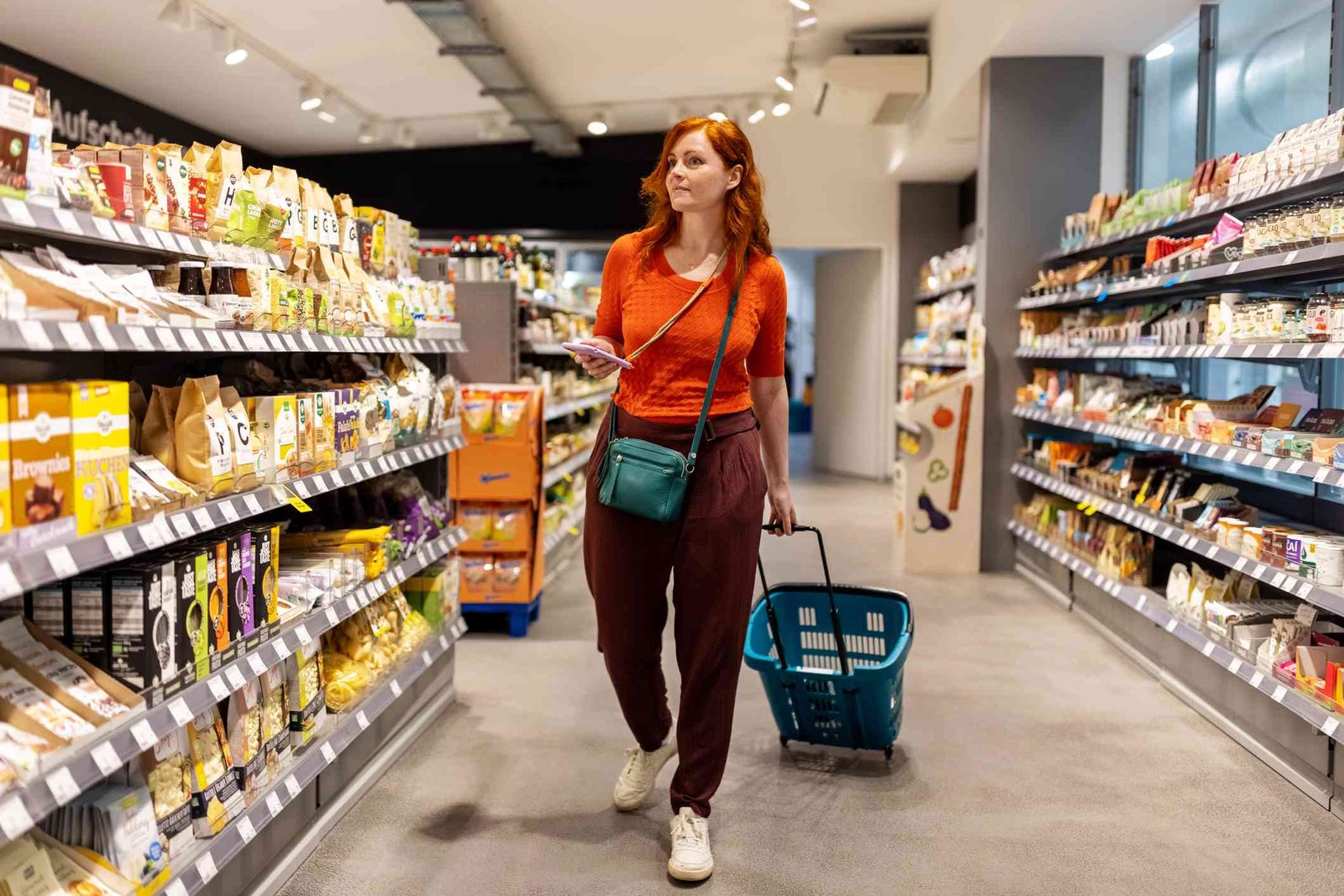
When shopping, I make sure to fill my cart with protein-rich foods. Here are some examples you can add to boost your protein intake.
You may look for high-protein options like:
- Chicken breast
- Eggs
- Ground chicken
- Turkey breast
Tip: Look for high-quality, humanely-raised poultry and eggs, such as pasture-raised chicken, whenever possible.
Seafood that’s high in protein includes:
- Canned salmon and tuna, which are more affordable than fresh seafood, and last up to five years
- Frozen and fresh fish
- Sardines
- Shellfish, like clams and shrimp
Tip: When possible, choose skipjack tuna. It contains about a third as much mercury as albacore tuna.
Some of my favorite high-protein dairy products include:
- Cheese, such as Parmesan
- Cottage cheese
- Full-fat Greek yogurt
- Unflavored kefir
Tip: Opt for Greek yogurt, which contains nearly twice the protein of regular yogurt.
Nuts and seeds are ready-to-eat protein sources you can add to oatmeal and yogurt or enjoy as a snack.
Options include:
- Almond flour
- Pistachios
- Pumpkin, hemp, sunflower, and chia seeds
- Salted almonds
Tip: Bake with almond flour, which contains about twice the protein of regular all-purpose flour.
Legumes that are excellent sources of plant-based protein include:
- Canned beans, such as black beans and chickpeas
- Dried lentils and beans
- Frozen edamame
- Peanuts and peanut butter
Tip: Keep canned and dried legumes on hand to add to salads, soups, and other dishes.
Protein powder is a simple way to boost protein in smoothies and shakes. Look for options like:
- Collagen peptides
- Plant-based protein powders, such as unsweetened pea protein
- Whey protein isolate
I like to stock up on easy, high-protein snacks, such as:
- Bite-sized snacking cheeses
- High-quality protein bars
- Individual packs of pistachios
- Turkey sticks
Tip: Be aware that many “high-protein” pre-made snacks can be high in added sugars, salt, and other additives. Read nutrition labels, so you know exactly what’s in them, or stick with snacks made with limited ingredients.
It’s also essential to stock up on foods that provide antioxidants, complex carbohydrates, healthy fats, vitamins, and minerals.
Fruits and Vegetables
Fruits and vegetables to add to your diet include:
- Fruits: Berries, apples, bananas, and oranges
- Starchy vegetables: Potatoes, sweet potatoes, and butternut squash
- Vegetables: Onions, spinach, kale, carrots, zucchini, peppers, and asparagus
Grains
Grains that are safe to add to a gluten-free diet include:
- Amaranth
- Brown rice
- Jasmine rice
- Millet
- Quinoa
Healthy Fats
Healthy fats to add to your diet include:
- Avocados and avocado oil
- Grass-fed butter
- Olives and high-quality olive oil
Spices and Condiments
Keep spices and condiments on hand to add flavor to your meals, such as:
- Herbs, like basil, rosemary, and garlic
- Hummus
- Mayonnaise
- Mustard
- Salsa
- Spices, like turmeric and cumin
- Vinegars
I like to create simple, high-protein meals for breakfast, lunch, and dinner. Here are a few of my go-to recipes.
Breakfast
- Egg frittata made with eggs, fresh vegetables, and cheddar cheese
- High-protein smoothie made with frozen berries, protein powder, and peanut butter
Lunch
- Chicken salad served with almond flour crackers, veggies, and hummus dip
- Mediterranean quinoa salad made with chickpeas, feta, and mixed vegetables
Dinner
- Whole roasted chicken served with root vegetables and garlic-sautéed broccoli
- Almond-crusted fish served with sweet potatoes and a salad
To make sure my kitchen is always stocked with nutritious options, I go grocery shopping once a week. Depending on the size of your household and how often you cook, you may need to shop more or less frequently.
If you often get sidetracked at the store or are likely to make impulse purchases, I suggest making and sticking to a shopping list. Write down new ingredients you might need in addition to your weekly staples.
I have a well-stocked pantry full of shelf-stable items like canned beans, protein powders, and grains. My shopping cart is mostly full of fresh foods, like fruits, vegetables, and dairy products.
