

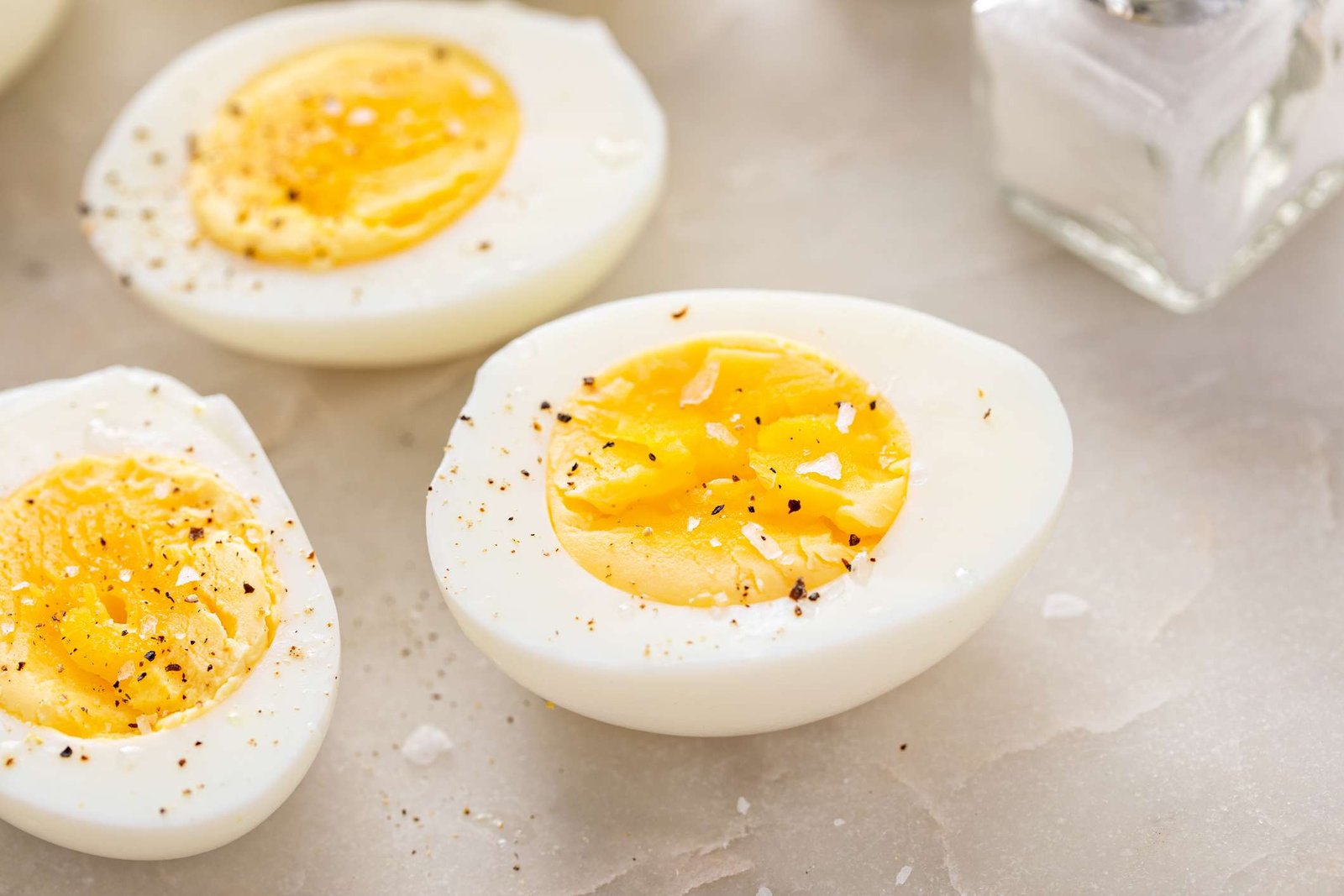
A large egg contains about 1.1 micrograms (mcg) of vitamin D, or roughly 6% of the Daily Value (DV). While eggs provide some vitamin D, several other foods contain significantly more. Here are seven foods that deliver more vitamin D than eggs.
boonchai wedmakawand / Getty Images
- Vitamin D: 34 mcg, 170% DV
- Serving size: 1 tablespoon
Cod liver oil is one of the richest dietary sources of vitamin D. A tablespoon of cod liver oil covers 170% of the DV, making it an excellent source.
In addition to packing significantly more vitamin D than eggs, cod liver oil is rich in the omega-3 fatty acids docosahexaenoic acid (DHA) and eicosapentaenoic acid (EPA), which have powerful anti-inflammatory properties.
Costela Iordanescu / Getty Images
- Vitamin D: 16.2 mcg, 81% DV
- Serving size: 3 ounces cooked
A 3-ounce serving of cooked rainbow trout covers over 80% of your daily vitamin D needs. Also, it delivers a hearty dose of omega-3s, zinc, selenium, and B12, making it an all-around nutritious protein source.
Fatty fish such as rainbow trout obtain vitamin D by eating organisms that have produced the nutrient through sunlight exposure. That vitamin D then builds up in the fish’s fatty tissues, which is why fatty fish are among the richest natural sources of vitamin D.
Alexander Spatari / Getty Images
- Vitamin D: 14.2 mcg, 71% DV
- Serving size: 3 ounces cooked
A 3-ounce serving of salmon delivers over a third of your daily needs for vitamin D.
In addition to vitamin D, salmon is high in protein, B vitamins, potassium, selenium, and the carotenoid antioxidant astaxanthin. Astaxanthin is a pigment that gives salmon its pink color and also has cellular-protective properties.
Aleksandr Zubkov / Getty Images
- Vitamin D: 9.2 mcg, 46% DV
- Serving size: ½ cup cooked
Getting enough vitamin D from food can be challenging for people following plant-based diets, since most rich sources are animal products.
Fortunately, certain types of mushrooms are exposed to ultraviolet (UV) light during or after harvesting, which stimulates vitamin D production in the mushrooms. A ½ cup of cooked UV-exposed mushrooms contains nearly half of the DV.
krisanapong detraphiphat / Getty Images
- Vitamin D: 2.9 mcg, 15% DV
- Serving size: 1 cup
On its own, milk is not a good source of vitamin D. However, milk is fortified with vitamin D to boost its levels of this essential nutrient.
A cup of fortified milk contains 15% of the DV, making it a great source.
Milk is also high in calcium, a mineral that’s needed for nerve function and bone mineralization.
Helen Camacaro / Getty Images
- Vitamin D: 3 mcg, 15% DV
- Serving size: 1 cup
Many plant-based milks, like soy and almond milks, are fortified with vitamin D and can be a much better source than eggs. For example, a cup of Silk Original Soy Milk contains 15% and 35% of the DV for vitamin D.
Soy milk delivers a meaningful amount of protein. An 8-ounce serving of Silk Original Soy Milk contains 8 grams of protein, making it a solid protein option for those following plant-based diets.
alvarez / Getty Images
- Vitamin D: 2.4 mcg, 12% DV
- Serving size: 4 sardines
In addition to their high levels of protein, calcium, B12 and selenium, sardines are a good source of vitamin D, with a serving of four sardines packing 2.4 mcg, 12% of the DV.
Because they’re rich in protective nutrients, research suggests that eating sardines regularly may help lower the risk of conditions such as heart disease and type 2 diabetes.
