

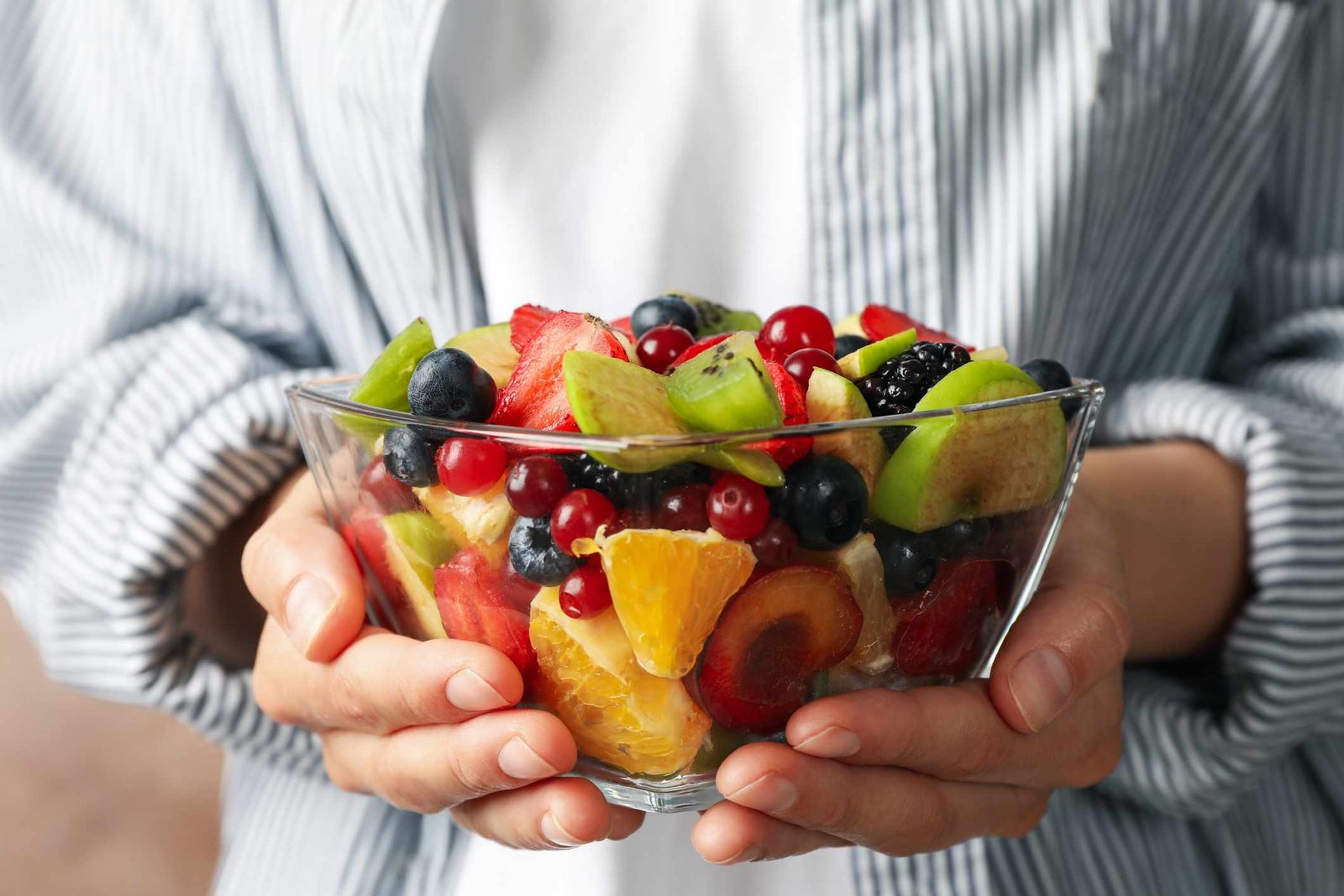
Fruits are packed with nutrients that support digestive health, including fiber and anti-inflammatory plant compounds that boost the growth of beneficial gut bacteria and promote regular bowel movements. Here are six of the best fruits for gut health, plus what makes them effective, and how to enjoy them for digestive benefits.
Kseniya Ovchinnikova / Getty Images
Raspberries and blackberries stand out for their high fiber content, providing around 8 grams, or 27% of the recommended daily fiber intake, per cup.
Berries contain both insoluble and soluble dietary fiber. Soluble fiber fuels beneficial bacteria in the digestive tract. When gut bacteria break down soluble fiber, they produce short-chain fatty acids (SCFAs), which help protect and support overall gut health by reducing inflammation, strengthening the gut lining, and supporting healthy immune function. Insoluble fiber adds bulk to stool, helping maintain regular bowel movements.
Berries also contain polyphenol antioxidants, which may reduce inflammation in the gut and positively impact gut bacteria.
OsakaWayne Studios / Getty Images
Kiwi fruit is often used as a home remedy for constipation. A 2023 study found that eating two kiwis a day for four weeks significantly improved digestive discomfort and improved bowel movement frequency in people with chronic constipation.
Kiwis are rich in fiber, offering about 2.5 grams per fruit. The fiber in kiwis is especially good at absorbing and retaining water, which can help soften stool and make bowel movements easier. Kiwis also contain natural compounds called raphides that may support more comfortable, regular digestion.
MirageC / Getty Images
Papaya contains the proteolytic enzyme papain. Proteolytic enzymes are produced by the body to break down dietary proteins, such as meat and fish, into amino acids so they can be properly absorbed and digested. Studies show that concentrated papaya products may be effective in reducing digestive symptoms, such as bloating and discomfort, in some people.
Papaya is also rich in fiber and protective antioxidants, such as vitamin C and carotenoids, which may help reduce gut inflammation.
miniseries / Getty Images
A 201-gram avocado provides 13.5 grams of fiber, which covers just under half of your daily fiber needs. Avocados are high in both soluble and insoluble fiber, making them effective for promoting regularity and overall gut health.
Eating avocados can also help promote the growth of beneficial gut bacteria and boost the production of SCFAs.
Alexander Spatari / Getty Images
Apples are a good source of soluble fiber, which supports the growth of beneficial bacteria in the large intestine and also provides polyphenols and vitamin C, helping protect against cellular damage.
Higher apple intake has been linked with improved gut health and a lower risk of colorectal cancer, one of the most common cancers worldwide.
Sasha Bell / Getty Images
Pears are an excellent source of gut-boosting fiber, with a 230-gram pear packing 7.1 grams or 25.3% of your daily fiber needs.
In addition to providing insoluble and soluble fiber, pears contain sorbitol, a sugar alcohol that acts as a natural laxative by drawing water into stools, making them easier to pass. This makes pears a good option for people who experience frequent constipation.
What makes a fruit “good” for gut health depends on factors like their fiber content and their levels of gut-friendly nutrients and antioxidants.
Fiber, including both soluble and insoluble fiber, play critical roles in gut health. Soluble fiber, which dissolves in water, feeds gut bacteria and softens stool, whereas insoluble fiber adds bulk to stool and aids regular bowel movements. Eating more fiber-rich foods can help reduce the risk of several digestive diseases, including colon cancer, and can also reduce symptoms of common gastrointestinal conditions, such as constipation.
Certain foods also provide nutrients and other substances that support and protect gut health, such as polyphenol antioxidants, which have been shown to improve gut microbe diversity, protect the intestinal lining, and reduce oxidative stress.
If your diet is currently low in fruit, try the following tips to increase your fruit consumption for better gut health:
- Portion sizes: While energy and macronutrient needs can vary based on energy requirements, blood sugar regulation, and other factors, the American Heart Association (AHA) recommends aiming for 2 cups of fruit per day.
- Fresh vs. frozen: You can enjoy both fresh and frozen fruit. In fact, studies show that frozen fruit is just as nutritious as fresh fruit and may be higher in certain nutrients, like vitamins C and E.
- Pairing with a protein: Pairing fruit with a protein source, like yogurt, cottage cheese, or nut butter, can create a balanced snack that slows digestion, keeping you fuller longer and supporting better blood sugar control.
Eating a variety of gut-friendly fruits regularly can support overall gut health by fueling beneficial gut bacteria, mitigating inflammation, and keeping bowel movements regular.
