

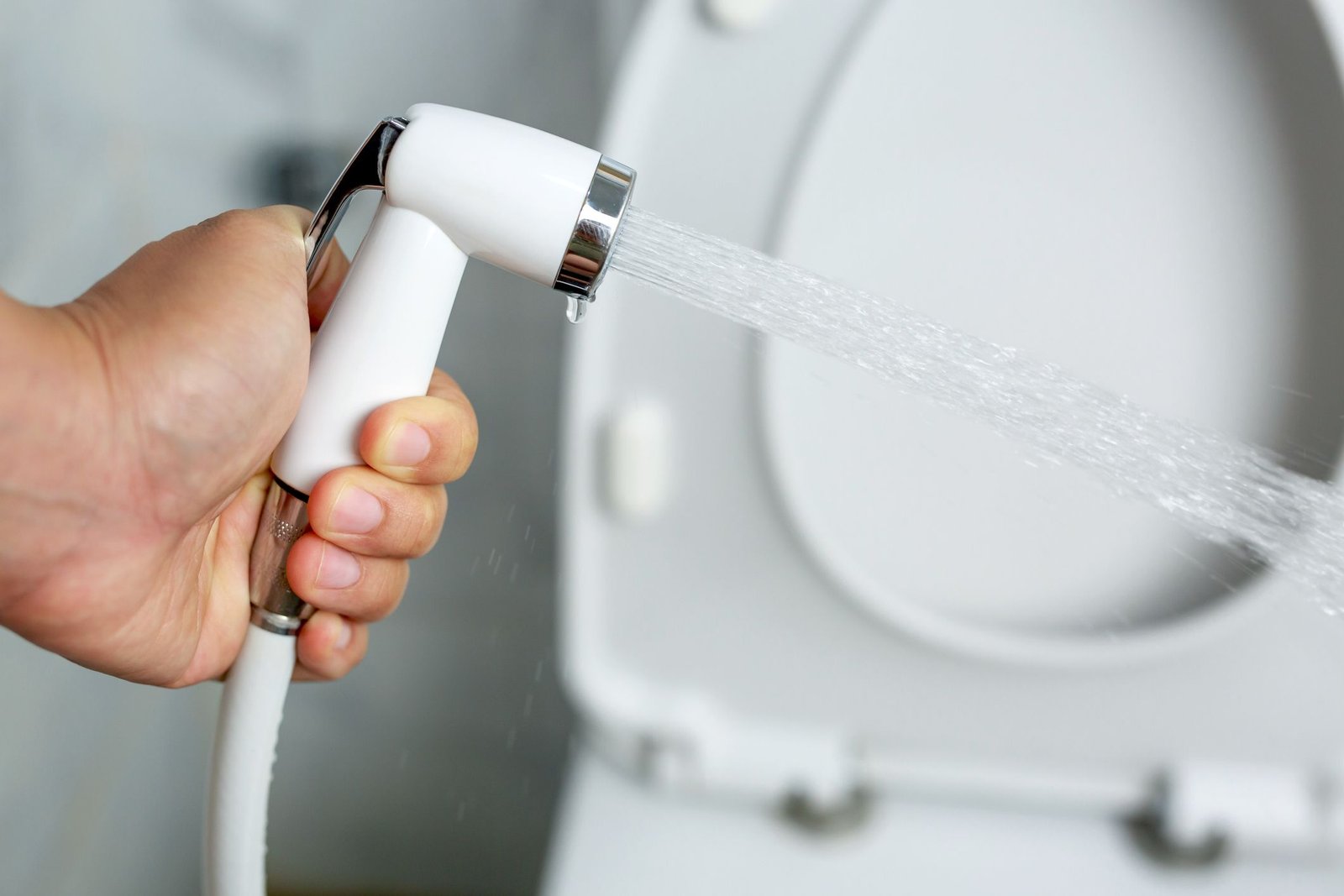
Bidets are gaining popularity as a hygiene tool, but are they better than toilet paper? Doctors say bidets can support comfort and hygiene, but only if used properly. Learning to use a bidet properly helps prevent irritation, infection, and overuse.
Using high water pressure can irritate delicate or sensitive skin, and worsen anal conditions (such as hemorrhoids), so it’s best to start with low water pressure. As a starting point, use low water pressure—never high pressure—to prevent irritation and potential infection, according to Mike Sevilla, MD, a family physician based in Salem, Ohio.
“Water temperature when using a bidet is a very individual choice,” said Sevilla. “That being said, a lukewarm temperature is a good general rule.”
Because the skin around the anal area is very sensitive, Sevilla notes that very cold or very hot water can be too much of a shock when it contacts the skin, especially for people with sensitive skin or hemorrhoids. Stick to lukewarm water for the most comfortable sensation.
Bidets should be used as an add-on to complement proper bathroom habits and hygiene. Although studies show bidets can help improve symptoms of constipation, it’s not a cure-all for bowel conditions.
Improper or excessive use of a bidet can result in other problems, such as anal itching and anal incontinence (the involuntary passing of stool), so ensure you’re using it alongside other healthy toilet habits and always wash your hands after each use.
Excessive use of a bidet can also cause damage to the skin barrier. To prevent damage to the delicate skin of the anal area, it’s important not to overuse it.
“Bidets are safer than wipes, but excessive use of a bidet is similar to taking long baths,” Lauren Ploch, MD, FAAD, a board-certified dermatologist, told Health. “Water disrupts our skin barrier and strips our skin of moisture, which can lead to dryness, itching, cracking, fissures, and burning or pain. Many bidet toilets have an air drying feature (and this is safe), but wiping with a dry cloth is also acceptable.”
When using a bidet, it’s important to follow proper hygiene practices in order to prevent infection. Marie Ramas, MD, FAAFP, a family physician based in Nashua, New Hampshire, recommends the following tips:
- Aim the water flow from the front to back (away from the genital area) to reduce the chance of developing a bladder infection.
- To prevent bacterial growth, pat the area dry with a clean towel after use.
- Always wash your hands after using the bathroom, even when using bidets.
- Clean the nozzle regularly to keep the nozzle clean, according to manufacturer guidelines.
While the use of a bidet is safe and beneficial for most people, there are some instances where some caution is needed.
Studies show that people with physical disabilities or mobility issues can enjoy the benefits of a bidet. Individuals with active infections or severe skin irritation should avoid using a bidet until their condition improves.
“Patients with hemorrhoids may use bidets, though it is not thought to be better than sitz baths and it does not prevent or treat hemorrhoids,” Yuying Luo, MD, an assistant professor of medicine at Icahn School of Medicine at Mount Sinai, and gastroenterologist at the Mount Sinai Center for Gastrointestinal Physiology and Motility, told Health.
Luo also notes that people with pruritus ani (a chronic condition characterized by itching and burning around the anus) may need to exercise caution when using a bidet, as excessive use or high water pressure can increase skin irritation in the area.
