

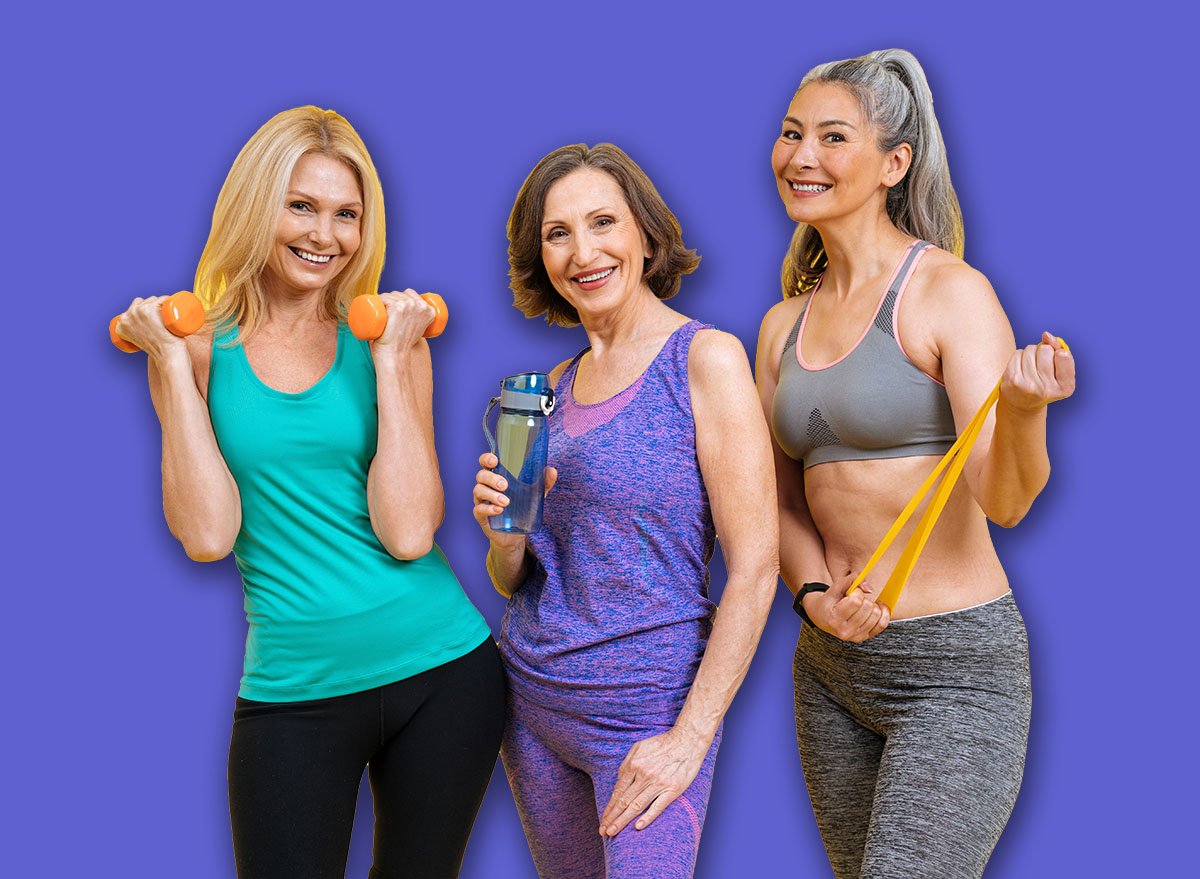
Can you master these 4 standing moves at 60? Your form reveals your real fitness level.
Fitness after 60 doesn’t come down to how hard you train, it comes down to how well your body moves, stabilizes, and produces strength under control. I’ve coached adults across every decade, and one thing stands out clearly: those who can control their body in standing positions tend to outperform younger individuals who rely on machines or momentum. Real fitness shows up in balance, coordination, and the ability to move with purpose.
Standing exercises challenge multiple systems at once. They demand strength, stability, and control from your core, legs, and upper body. That combination creates a level of functional fitness that carries directly into daily life: walking, climbing stairs, bending, and reaching.
Another key factor involves mastery. It’s not about rushing through reps, it’s about owning each movement. Slow, controlled execution builds strength faster and reveals how well your body actually functions.
The following four exercises test and build total-body control. If you can perform these with strong form and consistency, your fitness level stands well above average.
Controlled Sit-to-Stand Without Hands
This movement tests foundational lower-body strength and control. I use it as a benchmark often because it reflects how well your legs and hips generate force without assistance. Many people rely on their hands or momentum, but removing that support reveals true strength.
Standing up and lowering back down slowly forces the quads and glutes to stay engaged the entire time. The controlled descent increases time under tension, which builds strength more effectively. Mastering this movement improves everyday function and confidence.
How to Do It
- Sit on a sturdy chair
- Cross your arms over your chest
- Stand up without using your hands
- Lower yourself slowly
- Repeat with control.
Single-Leg Stand With Hold
Balance and stability play a major role in overall fitness, especially after 60. I include this exercise because it challenges the body to stabilize using the core, hips, and lower leg muscles all at once.
Standing on one leg forces the body to make constant adjustments to stay upright. Holding that position builds strength and coordination. Over time, this improves balance and reduces fall risk.
How to Do It
- Stand tall with feet hip-width apart
- Lift one foot off the ground
- Hold your balance
- Keep your core tight
- Switch legs after each hold.
Standing Cross-Body Knee Drive
This movement combines core strength with coordination and balance. I rely on it because it forces the body to stabilize while producing controlled movement across the midline.
Driving the knee across the body activates the obliques and lower abs. Holding briefly at the top increases intensity and improves muscle engagement. Performing this slowly builds strength and control simultaneously.
How to Do It
- Stand tall with hands near your chest
- Lift one knee across your body
- Hold briefly
- Lower slowly
- Alternate sides.
Hip Hinge to Stand With Control
This final movement tests hip strength and coordination, which are essential for powerful, efficient movement. I use it often because many people lose proper hip mechanics over time, which limits strength and increases joint strain.
Pushing the hips back while keeping the chest lifted forces the glutes to engage. Driving back to standing builds strength and reinforces proper movement patterns. Mastering this exercise improves posture and overall performance.
How to Do It
- Stand tall with feet shoulder-width apart
- Push your hips back
- Keep your chest up
- Return to standing
- Repeat slowly.
Tyler Read, BSc, CPT
Tyler Read is a personal trainer and has been involved in health and fitness for the past 15 years. Read more about Tyler
