

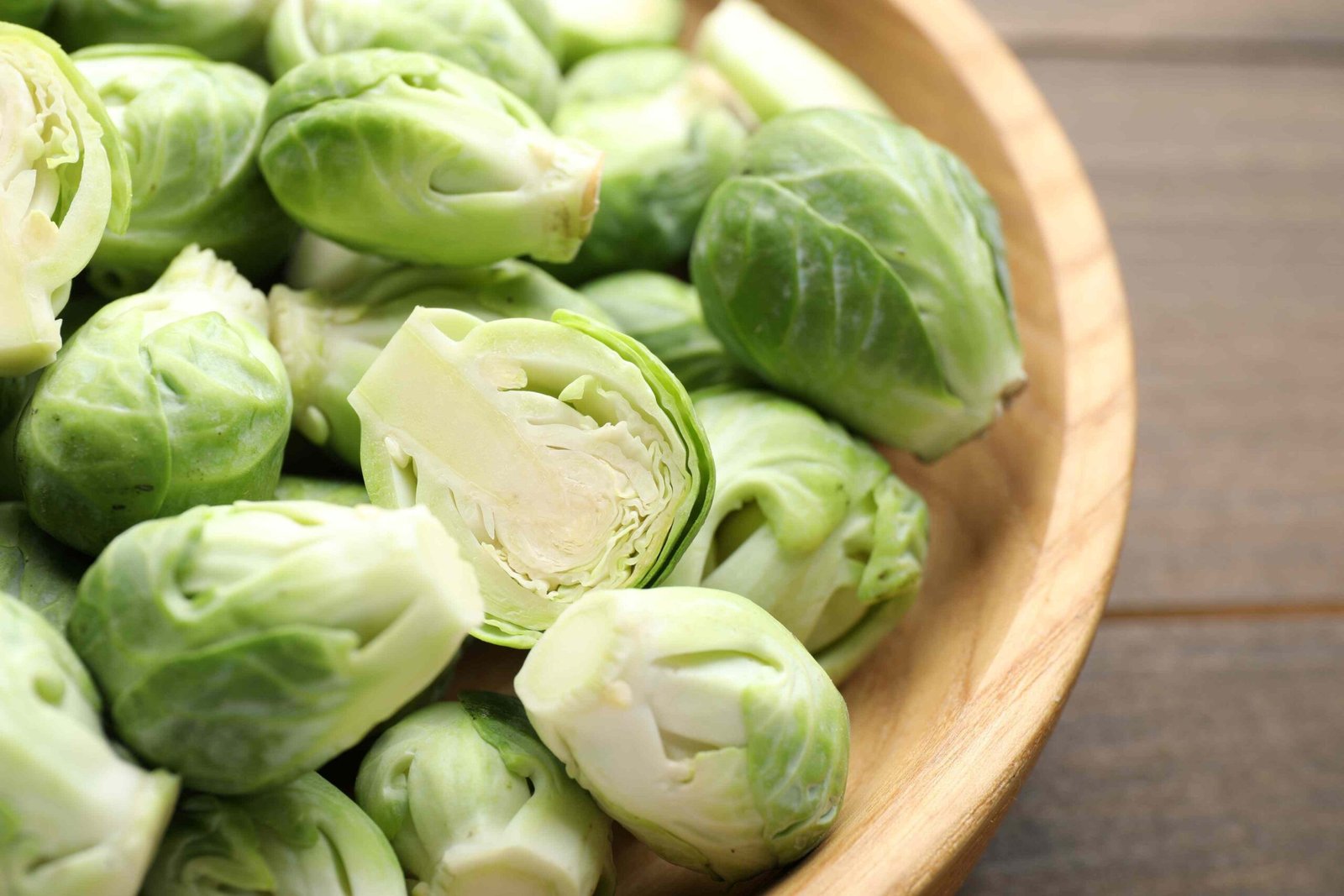
Brussels sprouts are a top source of vitamin C, with 100 grams (3.5 ounces, a little more than 1 cup raw) providing roughly 85 milligrams, which nearly covers most adults’ daily needs. While Brussels sprouts are a nutritious choice, they’re far from the only food that delivers a hefty dose of vitamin C.
Kateryna Bibro / Getty Images
Vitamin C: 140 milligrams (mg) in 100 grams raw, or 121 mg in a 1-cup serving
Red bell peppers are one of the most concentrated sources of vitamin C available, with almost double the vitamin C in Brussels sprouts. Vitamin C from bell peppers supports immune health and skin integrity, while their natural carotenoids act as antioxidants that support overall cellular health.
Red bell peppers are incredibly versatile. You can eat them raw with hummus, slice them into salads, roast them as a side dish, or add them to stir-fries, fajitas, and pasta dishes. Because they’re naturally sweet, they’re often easier to enjoy raw compared to some other vegetables.
Wokephoto17 / Getty Images
Vitamin C: 228 mg in 100 grams, or 125 mg in 1 fruit
Guava is one of the richest dietary sources of vitamin C. This high vitamin C content supports immune function and helps protect cells from oxidative stress (an imbalance between antioxidants and destructive free radical molecules in cells).
Guava also provides fiber, which supports digestive health and helps promote fullness. You can eat guava fresh, blend it into smoothies, or use it in salsas and sauces for a sweet-tart flavor that pairs well with savory foods.
1310723287 / Getty Images
Vitamin C: 90 mg in 100 grams raw, or 82 mg in a 1-cup serving
Broccoli is a close relative of Brussels sprouts, but it actually provides slightly more vitamin C when eaten raw. Cooking can reduce vitamin C levels, but lightly steaming or roasting broccoli can still preserve much of its nutritional value.
Broccoli also provides other antioxidants and fiber, making it a nutrient-dense addition to meals. It works well in stir-fries, roasted vegetable dishes, and salads.
HUIZENG HU / Getty Images
Vitamin C: 93 mg in 100 grams raw, 23.4 mg per cup raw
Kale offers more vitamin C per by weight than Brussels sprouts, especially when eaten raw, although it provides less per 1-cup serving. It also provides vitamin K and plant compounds that support heart and bone health.
Kale can be massaged into salads, blended into smoothies, or lightly sautéed as a side dish. Mixing raw and cooked kale into your diet can help you get the most nutritional benefit.
Vitamin C is an essential nutrient that supports immune function, helps your body make collagen for skin and joints, and acts as an antioxidant to protect cells from damage.
Because it’s a water-soluble vitamin and not stored in large amounts in the body, it’s important to consume it regularly through food.
People who smoke, have problems with absorption of nutrients, or eat food with limited variety are at greater risk for vitamin C deficiency.
While Brussels sprouts are a nutritious option, eating a variety of fruits and vegetables helps ensure you’re meeting vitamin C needs while also benefiting from a wider range of nutrients.
Other foods that are good sources of vitamin C include:
- Oranges and orange juice
- Grapefruit and grapefruit juice
- Kiwifruit
- Strawberries
- Tomatoes and tomato juice
- Cantaloupe
- Cabbage
- Cauliflower
Adding foods like peppers, kiwi, berries, and leafy greens to your meals can help you boost vitamin C intake, add variety to your diet, and make healthy eating more enjoyable over time.
