

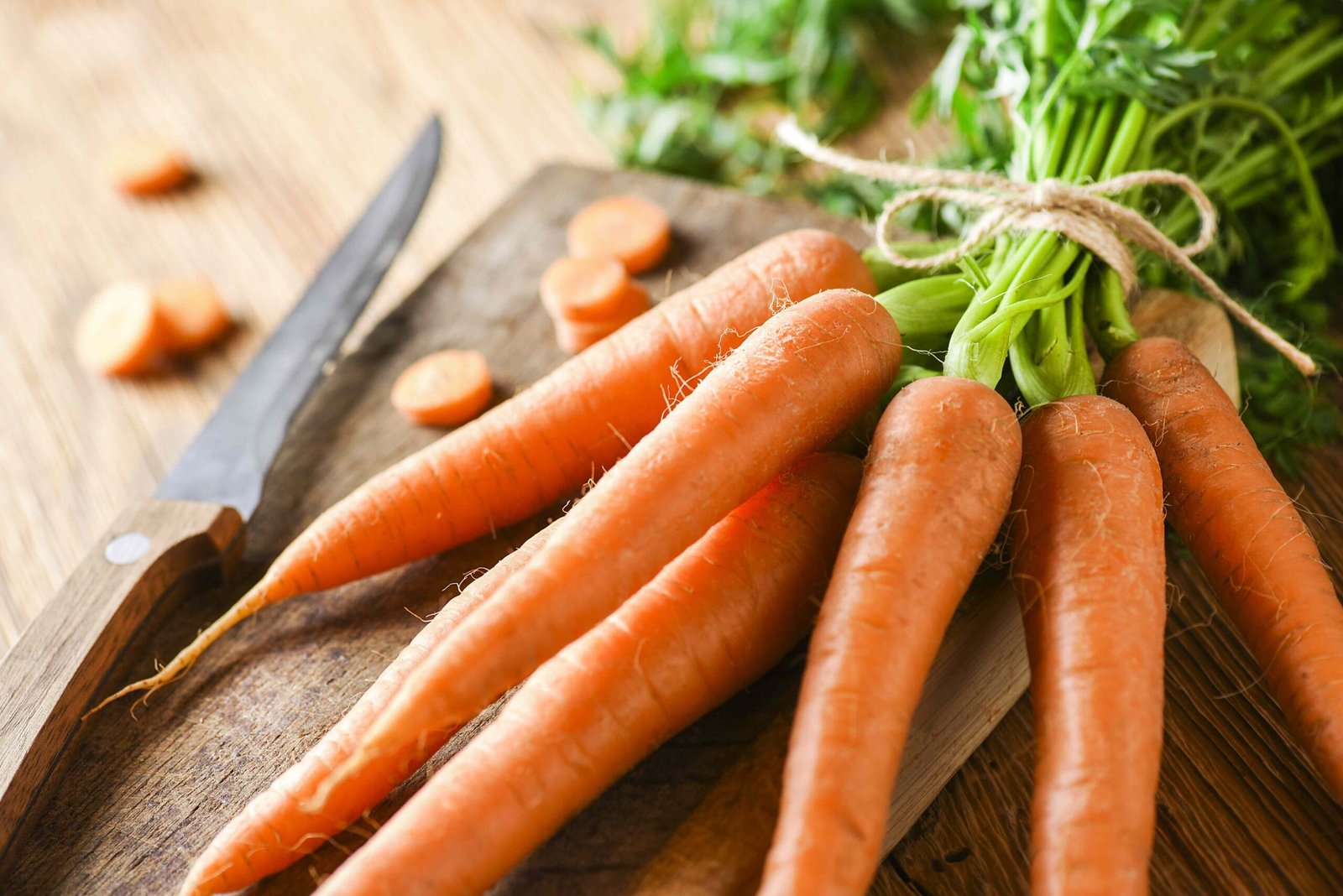
When it comes to beta carotene, few foods compare to carrots—they contain a whopping 6,500 micrograms (mcg) in a half cup cooked. But they aren’t the only option to help you obtain this powerful antioxidant linked to better immune, skin, eye, and brain health. There are several other foods that can help you both diversify your beta carotene intake—and overall nutrient intake—in the most delicious way possible.
anmbph / Getty Images
Beta Carotene Content: 23,000 micrograms (mcg) per one cup cooked
Sweet potatoes blow carrots out of the water in terms of beta carotene content.
Sweet potatoes are typically enjoyed cooked—like in stews, soups, baked, roasted, or mashed—which is good news considering cooking actually increases beta carotene bioavailability.
Beta carotene is also fat-soluble, so enjoying this root veggie with a source of fat—such as olive oil, avocado, nuts, seeds, or dairy products—will boost your absorption of this antioxidant, too.
Westend61 / Getty Images
Beta Carotene: 11,300 mcg per one cup cooked
The beta carotene content of spinach is just a small glimpse into how nutrient-dense this leafy green is—as it also boasts plenty of fiber, vitamin C, folate, iron, antioxidants, and more.
However, when it comes to beta carotene content, you’ll get far more bang for your buck by enjoying cooked spinach over raw—not only because cooking boosts beta carotene availability, but also because you’ll eat much more spinach overall once it shrinks down. Cooked spinach is delicious in egg recipes, rice dishes, pastas, casseroles, soups, smoothies, dips, dressings, and sauces.
Luc TEBOUL / Getty Images
Beta Carotene: 9,370 mcg per one cup cooked
Another orange veggie that trumps carrots in beta carotene content is butternut squash.
This hearty winter veggie conveniently is always enjoyed cooked—upping beta carotene bioavailability—and is excellent roasted, mashed, or pureed to be added to stews, curries, baked goods, casseroles, pastas, and more.
Pumpkin
voloshin311 / Getty Images
Beta Carotene: 5,140 mcg per one cup cooked
Though measuring at slightly lower levels than carrots, pumpkin still contains plenty of beta carotene, and also offers vitamin C, potassium, B vitamins, and more.
Canned pumpkin is available year round at grocery stores nationwide, but it’s also delicious cooked fresh if you can find it during the fall months. It’s a delicious addition to baked goods, smoothies, oatmeal, sauces, dressings, soups, and salads (when roasted).
Romaine Lettuce
bhofack2 / Getty Images
Beta Carotene: 4,920 mcg per 2 cups shredded
Romaine lettuce is a surprisingly good source of beta carotene—two cups shredded nears that of a serving of cooked carrots.
Unless you grill romaine (a trendy way to enjoy Caesar salad these days), this lettuce is most often enjoyed in salads or on sandwiches, grain bowls, and tacos. Be sure to serve it with a fat-containing dressing or condiment for optimal beta carotene absorption.
Cantaloupe
MSPhotographic / Getty Images
Beta Carotene: 3,230 mcg per one cup cut
As far as fruits go, cantaloupe is an excellent pick when trying to get more beta carotene into your diet.
Aside from adding it to fruit salads, try this melon in juices, smoothies, frozen desserts, or even grilled for a leafy green salad.
Kale
Kale is rich in vitamins with antioxidant properties, like vitamins A and C.
janecocoa / Getty Images
Beta Carotene: 2,040 mcg per one cup cooked
Kale is another great way to obtain more beta carotene on a daily basis.
Boost its beta carotene content by cooking it first, then add it to soups, pastas, stir-fries, and curries for amazing flavor and body. Plus, it serves as the perfect side dish sautéed with olive oil, garlic, red pepper flake, salt, and pepper.
Apricots
Alexandr Kolesnikov / Getty Images
Beta Carotene: 1,800 mcg per one sliced
Another noteworthy fruit rich in beta carotene is apricots (their color is a dead giveaway).
Enjoy them raw in salads, smoothies, and juices, or up the beta carotene availability by cooking them into homemade jams, baked goods, sauces, marinades, or stews.
Beta carotene is a naturally-occurring plant pigment that is both an antioxidant and provitamin A carotenoid. This means that it not only converts into vitamin A in the body during metabolism, but it also supports several elements of overall health—in many of the same ways as vitamin A. These range from supporting better eye, skin, and brain health to strengthening the immune system, which in turn may reduce the risk for several chronic illnesses including cancer, diabetes, and heart disease.
Given these impressive benefits, nearly everyone can benefit from adding more beta carotene-rich foods to their daily routine. Daily intake recommendations for this nutrient are 700 mcg for women and 900 mcg for men—easy numbers to achieve based on this list of foods alone.
