

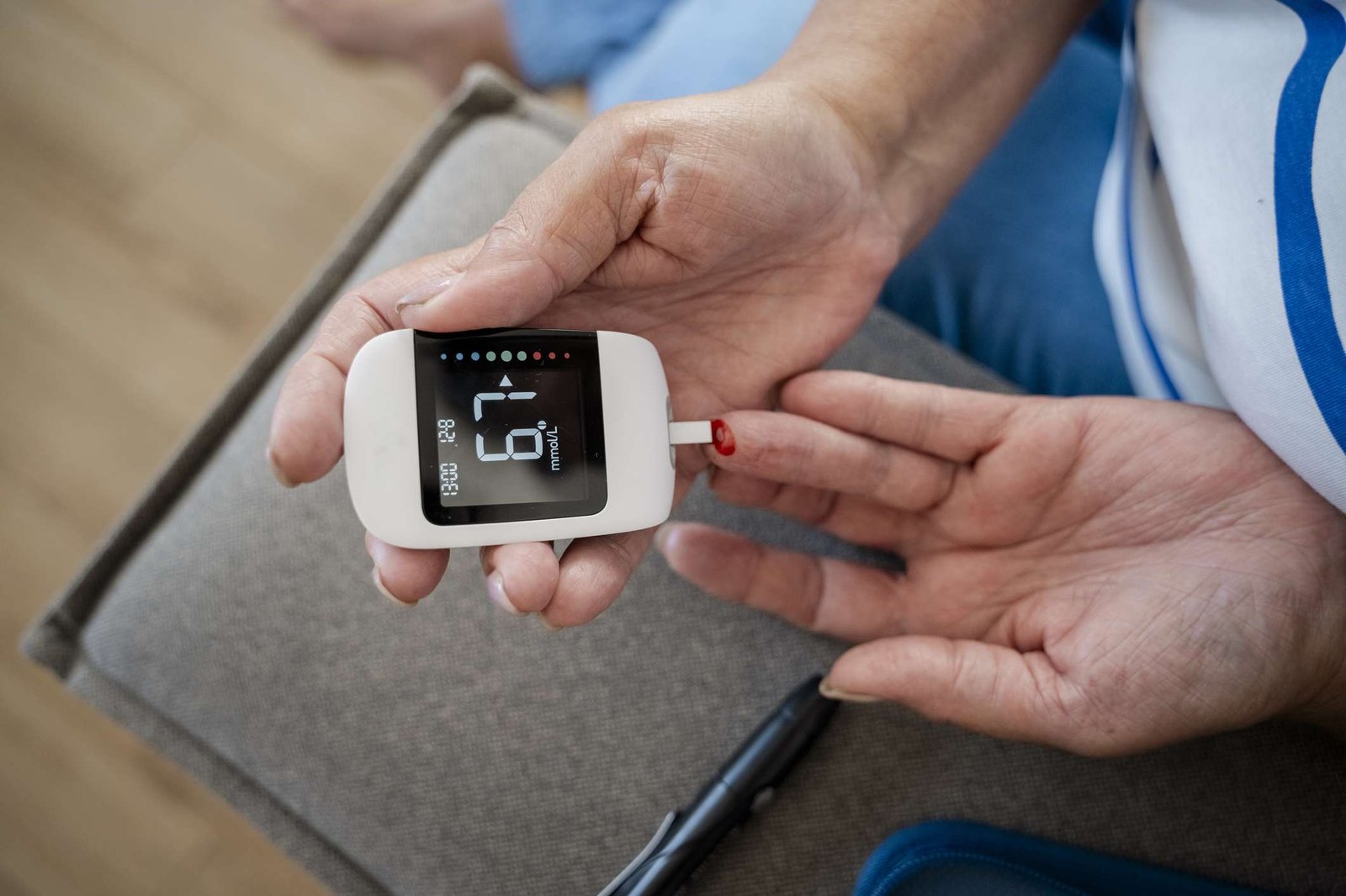
Ways to lower your blood sugar naturally include making lifestyle changes like walking after meals, eating more fiber, and using intermittent fasting. Maintaining a healthy blood sugar level can improve your mood and energy levels, and reduce your risk of heart disease, vision loss, diabetes, and kidney disease.
Research shows that eating carbohydrates after vegetables results in lower blood sugar levels post-meal.
Researchers advise consuming foods in the following order: high-water and fiber-rich dishes (such as vegetables), then high-protein foods, then oils/fats, next slowly digested whole, complex carbohydrates, and finally simpler carbohydrates or foods high in sugar.
Soluble fiber (which dissolves in water) slows digestion. This results in a lower blood sugar spike after a meal.
Natural sources of soluble fiber include:
Intermittent fasting (IF) has been found to improve health outcomes in people with high blood sugar and high cholesterol levels. Some research suggests it’s best to eat most of your calories at breakfast and lunch, and enjoy a smaller and earlier dinner before 6:00 p.m.
Research has consistently found that eating whole grains improves blood glucose levels post-meal compared to refined carb foods.
Eating whole grains also reduces the risk of type 2 diabetes.
Whole grains include:
- Barley
- Brown rice
- Buckwheat
- Oats
- Popcorn
- Quinoa
- Wild rice
Taking walks after meals uses the carbohydrates you ate as fuel, lowering your blood sugar levels without relying on insulin.
Even standing after meals may result in lower post-meal blood sugar levels.
Research has found that resistance training before a meal significantly reduces post-meal blood sugar levels in people with obesity and prediabetes. Working out after a meal has also been shown to lower blood sugar levels.
Pulses (beans, lentils, peas, and chickpeas) contain a unique combination of protein and high-fiber carbohydrates that can improve post-meal blood sugar levels and long-term regulation.
Research shows that pulse-based diets offer substantial improvements in blood sugar control, as well as blood lipids (fats), and body weight.
One large study found that those who ate more plant-based foods had a lower risk of developing insulin resistance (when insulin doesn’t work properly), prediabetes, and type 2 diabetes.
A breakfast high in protein may help reduce post-meal blood sugar levels throughout the day. Research shows that higher-protein breakfasts lead to lower glucose spikes than lower-protein breakfasts.
Avocados contain good fat, vitamins, minerals, antioxidants, and fiber. Including them in meals has been shown to help regulate blood sugar levels.
Research indicates that those who regularly eat avocados are less likely to develop type 2 diabetes than those who don’t.
Continuous glucose monitors (CGMs) are used to monitor and better regulate blood sugar levels.
CGMs involve apps linked to sensors (typically placed on the back of the arm) that measure interstitial sugar levels, the sugar found in the fluid between the cells.
A small study of 12 healthy male volunteers concluded that CGMs were useful for evaluating post-meal blood sugar levels.
Fermentation is the conversion of carbohydrates to alcohol or organic acids using microorganisms—yeasts or bacteria—under anaerobic conditions. Fermented foods include kefir, kombucha, sauerkraut, tempeh, natto, miso, kimchi, and sourdough bread.
In addition to supporting digestive health, research shows that fermented foods may slow carbohydrate absorption, which leads to lower post-meal blood sugar levels.
Fermented foods have also been shown to reduce inflammation, a risk factor for type 2 diabetes.
Added sugar is any sugar added to food to sweeten it.
Added sugar is absorbed quickly into the bloodstream, which spikes blood sugar levels. Over time, too much added sugar increases the risk of not only diabetes but also heart disease, dementia, Alzheimer’s disease, obesity, high blood pressure, and certain cancers.
The American Heart Association recommends no more than 25 grams—or six teaspoons—of added sugar per day for women and no more than 36 grams or nine teaspoons for men.
Daily apple cider vinegar may help control blood sugar levels and lipid profiles in people with type 2 diabetes. Research found that taking 30 milliliters of apple cider daily lowered blood pressure. It’s often recommended to take it before meals or before bed.
Not getting enough vitamin D can negatively impact blood sugar regulation.
However, don’t overdo it as too much vitamin D can lead to an abnormally high level of calcium in the blood, which can damage the kidneys, soft tissues, and bones over time.
A recent research review, which looked at 46 previously published studies, found that a vitamin D supplement improved blood sugar regulation and reduced HbA1c levels in patients with type 2 diabetes and low vitamin D.
Taking vitamin D supplements reduces the risk of developing diabetes by 15% and increases the likelihood of normalizing blood sugar regulation by 30% in people with prediabetes and low vitamin D.
Proper hydration may benefit general longevity as well as blood sugar regulation. Research has found an inverse relationship between water intake and the risk of type 2 diabetes and other chronic conditions.
Research also shows that people who drink water before meals eat fewer calories, lose weight, have smaller waist measurements, and have reduced levels of triglycerides and “bad” LDL cholesterol.
