

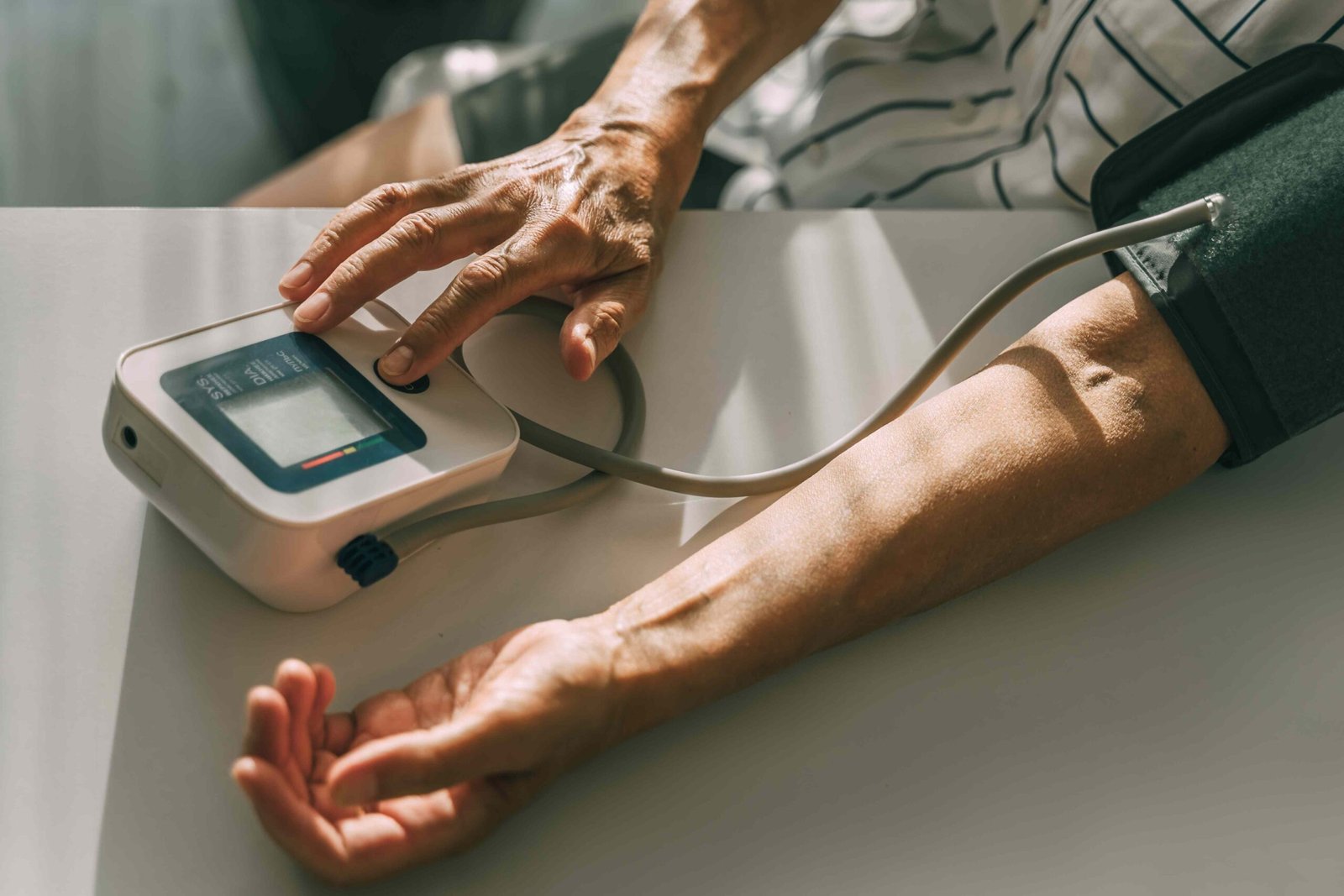
Blood pressure can fluctuate daily. These 10 reasons are a possible cause for those fluctuations.
White coat syndrome is a phenomenon that can happen when a healthcare professional takes your blood pressure. It’s a temporary spike in blood pressure triggered by your body’s fight-or-flight response, which can make your heart beat faster and blood vessels tighten. These changes cause blood pressure to increase by more than 10 points.
Everyday stress and anxiety can also trigger a similar response in your body. Once the stress passes, your blood pressure usually returns to its baseline.
Caffeine can cause a short-term rise in blood pressure. It may do this by stimulating your adrenal glands (near your kidneys) to release adrenaline, which makes your blood vessels contract. This narrowing of the blood vessels increases resistance to blood flow and causes blood pressure to rise.
Smoking causes your blood pressure to rise almost immediately after you inhale. The nicotine in cigarettes makes your heart beat faster and narrows your blood vessels.
Physical activity can cause your blood pressure to rise for a short time while you’re exercising, but it usually returns to your baseline afterward. Stopping exercising without cooling down properly can also cause a temporary drop in blood pressure.
What you eat can increase or decrease your blood pressure. Diets high in salt can cause you to hold on to more fluid, which puts added pressure on your blood vessels. Alcohol can also raise your blood pressure over time.
A diet that includes more fruits, vegetables, whole grains, and lean proteins can help relax blood vessels and lower blood pressure.
Some medications and herbal supplements may temporarily change your blood pressure by narrowing your blood vessels or causing your body to retain extra fluid. Examples include:
- Antidepressants
- Birth control pills
- Nasal decongestants
- Migraine medications
- Steroids
- Nonsteroidal anti-inflammatory drugs (NSAIDs)
- Herbal products like black licorice
Sleep apnea causes pauses in your breathing during sleep, which trigger a surge in stress hormones and make your blood vessels tighten. This can cause blood pressure to spike during the night and remain higher during the day.
Poor sleep quality from frequent wakenings or low oxygen levels can also keep the nervous system in an alert state, leading to ongoing blood pressure fluctuations.
Your kidneys filter waste and extra fluid from your blood. They also help regulate your blood pressure by controlling how much water and salt your body retains. If high blood pressure or other causes damage the small blood vessels in your kidneys, they may get less blood flow. This makes it harder for your kidneys to function properly.
If your kidneys can’t remove enough waste and fluid, extra fluid builds up in your bloodstream. This can cause blood pressure to rise, creating a cycle that leads to more kidney damage. Over time, this ongoing strain can result in chronic kidney disease or kidney failure.
Your adrenal glands are small organs located on top of each kidney that produce hormones that help regulate blood pressure, balance salt and water, and manage stress. When the adrenal glands make too much or too little of these hormones, it’s called an adrenal gland disorder.
Certain adrenal gland disorders, like pheochromocytoma, can cause sudden and severe spikes in blood pressure. Pheochromocytoma is a rare tumor that produces excess adrenaline and noradrenaline. The surge in hormones can cause episodes of very high blood pressure, along with symptoms like headaches, sweating, and rapid heartbeat.
Drugs like diuretics, beta blockers, and other heart medications work by lowering pressure in the blood vessels or slowing your heart rate. But, in some cases, they may lower it more than needed.
Contact your doctor if you notice a sudden drop in blood pressure. They can determine whether your medication needs to be adjusted. Never stop or change your medication on your own, which can lead to dangerous swings in blood pressure and increase your risk of complications.
Frequent fluctuations may damage blood vessel walls and promote inflammation. Research shows that people with greater blood pressure variability at their doctor’s visits have a higher risk of serious health complications.
Over time, this instability in your blood pressure can contribute to:
- Heart rhythm disorders
- Stroke
- Heart attack
- Cognitive decline
Making small changes to your daily habits can go a long way in keeping your blood pressure in a healthy range while supporting your overall heart health. Here are some key steps to consider:
- Eat a balanced, heart-healthy diet that limits sodium and alcohol.
- Exercise regularly as recommended by your doctor.
- Find ways to manage your stress.
- Reach and maintain a weight that your doctor says is healthy for you.
- Avoid smoking.
- Take any blood pressure medications as prescribed.
A doctor can also help you manage your blood pressure fluctuations. Seeing a doctor is especially important if you suspect that an underlying condition is causing the changes in your blood pressure.
