

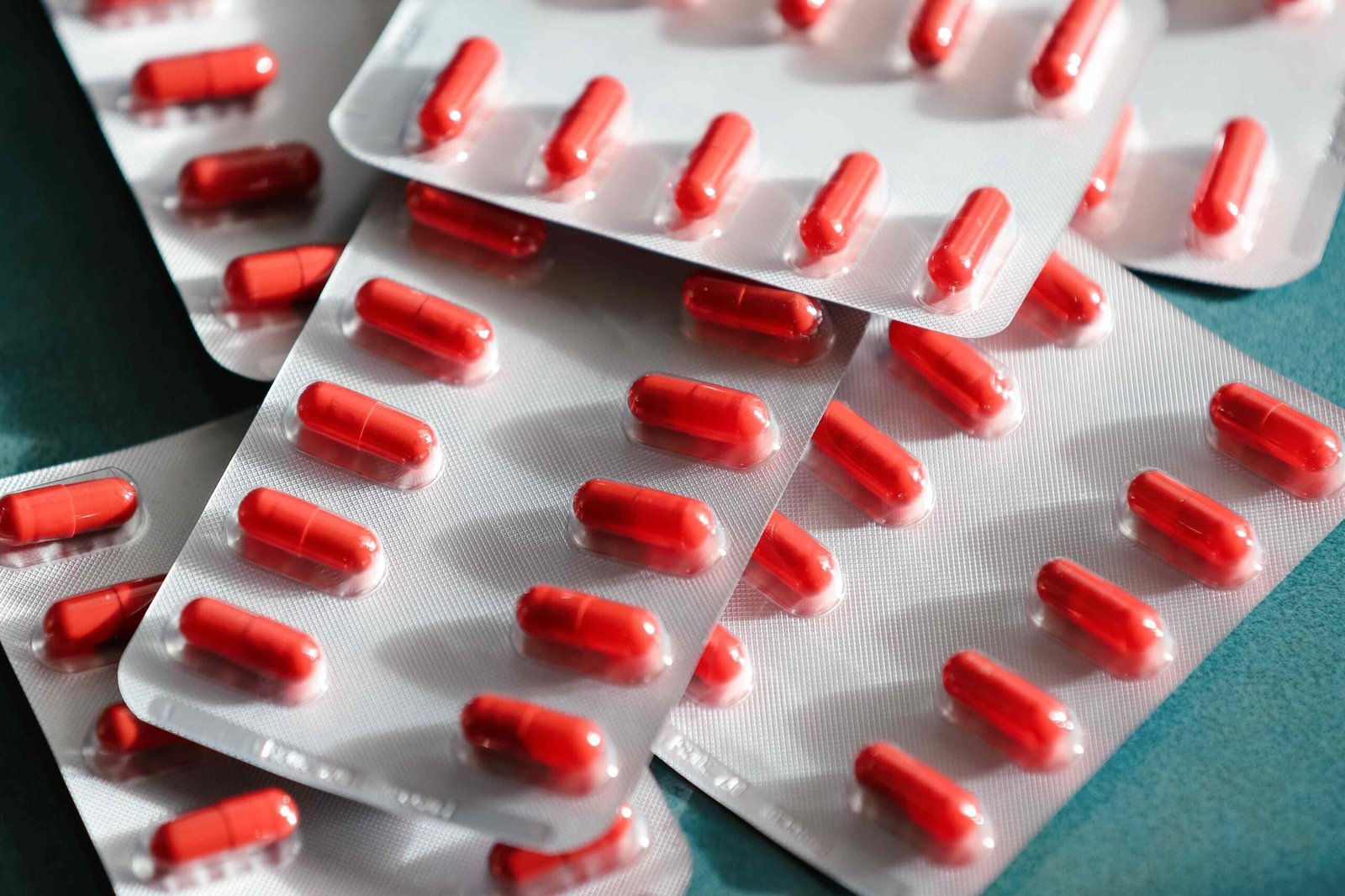
Iron is an essential mineral that supports various bodily functions, including oxygen transport and immune function, making it a vital component in overall wellness. When levels are optimized naturally, iron can help ease or improve a surprising range of common health conditions.
Iron deficiency happens when your body doesn’t have enough iron. Anemia happens when iron levels drop too low.
The body needs iron to make red blood cells. Low iron levels cause the body to produce fewer and smaller red blood cells. These cells cannot carry oxygen as well.
Your healthcare provider can prescribe iron supplements to treat iron-deficiency anemia.
Getting enough iron is crucial during pregnancy. The body requires additional iron to support the growing fetus.
Anemia during pregnancy can raise the risk of early birth, low birth weight, or slower growth for the baby.
Doctors often recommend iron supplements to prevent these complications and help keep both parent and baby healthy.
Iron deficiency can affect the brain. Low iron levels can make it harder to pay attention, remember things, learn, solve problems, and make decisions.
A study has shown that iron-deficiency anemia is associated with decreased cognitive performance in adults. Another study found that giving children and teens iron supplements helped improve their intelligence, attention, concentration, and memory.
Iron supports brain health in several ways. Low iron levels reduce the number of red blood cells. Fewer red blood cells mean less oxygen in the brain, making it harder to focus.
Iron is also necessary for producing essential brain chemicals, such as dopamine and serotonin. These neurotransmitters help regulate attention, cognition, and mood.
The brain also needs iron to make energy. Iron helps essential enzymes in the mitochondria, the part of the cell that makes most of our energy. Low iron can reduce energy production in the brain. This may cause slower thinking and trouble concentrating.
Restless legs syndrome (RLS) is a condition that affects the brain, causing your legs to feel uncomfortable or challenging to keep still. People with RLS often have trouble sleeping.
Research shows that people with iron-deficiency anemia are more likely to have RLS. Some studies have also found that taking iron supplements can help improve RLS in individuals with low iron levels.
Several factors can impact hair growth, including stress, hormonal fluctuations, and inadequate nutrition.
Not having enough iron can also cause temporary hair loss for some people. Some studies suggest that taking iron supplements may promote hair growth.
Iron is crucial for carrying oxygen in the blood and producing energy. When iron levels are low, people can feel more tired than usual. Research shows that taking iron supplements can help reduce fatigue.
People with higher energy needs, such as athletes, require more iron and often need additional iron. Iron supplements can help them feel less tired, recover more quickly, and perform better.
Iron can affect sleep. One study found that people with anemia are more likely to have trouble sleeping.
Another study showed that infants with higher hemoglobin levels—a protein essential for making red blood cells—sleep longer.
Heart failure occurs when the heart is unable to pump blood effectively. The heart requires iron to transport oxygen, generate energy, and function properly. A study has shown that iron supplementation may help individuals with heart failure exercise more effectively and improve their quality of life.
Iron deficiency anemia is linked to daily headaches. It can also worsen migraine symptoms. A study suggests that taking iron supplements may reduce how often migraines happen and how severe they are in people with anemia.
Pica is a condition where people eat non-food items, like soil or paper. Many factors can cause pica, including stress and learned behavior. Research has linked pica to iron deficiency. Studies suggest that iron supplements may help alleviate pica in some individuals.
Several factors influence how well your body absorbs iron, including your diet, exercise, and timing. Here are some tips to get the most benefit from iron supplements:
- Take it on an empty stomach: Some foods block iron absorption. Taking iron without food helps your body absorb it better.
- Avoid certain foods and drinks: Calcium-rich foods, such as dairy, as well as coffee, tea, and high-fiber foods, can reduce iron absorption. Try to avoid eating or drinking these for 2 hours before and after taking iron.
- Take it with vitamin C: Vitamin C improves iron absorption. You eat vitamin-C-rich foods or take a vitamin C supplement with your iron.
- Avoid taking it near high-intensity exercise: Intense exercise increases the production of a protein called hepcidin. Hepcidin blocks iron absorption temporarily. You can take iron in the morning if you exercise hard in the afternoon.
- Follow your healthcare provider’s advice: Your doctor prescribes iron supplements based on your blood test results. You may need a different dose or schedule than others. Use them exactly as your doctor recommends to maximize the benefits.
