

At the turn of the millennium daily life looked very different. The modern internet was just a decade old, mobile phones were far from universal and our social lives were mostly physical – and local.
In the 25 years since, technology has changed how we live in profound ways. Most people check their phone within minutes of waking and return to it on average 186 times a day. Computers and the systems that sit behind them mediate every aspect of modern life, shaping how we move through the world.
The time we spend with screens now dwarfs that spent interacting with others. In 2024, the average Australian spent two hours and 13 minutes a day on screen-based activities – nearly half their free time – but just 38 minutes socialising in person. Young Americans now spend 70% less time attending or hosting parties than they did 20 years ago, and have among the highest screen time of any age cohort. Meanwhile, consistent surveys show a trend towards people, particularly men, having fewer close friends. As our reliance on technology has increased, the time we spend with others has shrunk.
With the arrival of AI, our social connections are further endangered, and many people now turn to chatbots for advice or comfort instead of friends. Technology promises more connection, but in practice we’ve become more insular.
Increasingly it can feel that instead of enabling our social lives, technology is controlling them – who we see, what we know and how we connect. We use it to “optimise” our time, remove inefficiencies and smooth over social frictions by removing interactions. But in doing so we risk losing a fundamental part of what it is to be human: the messy, unexpected nature of life.
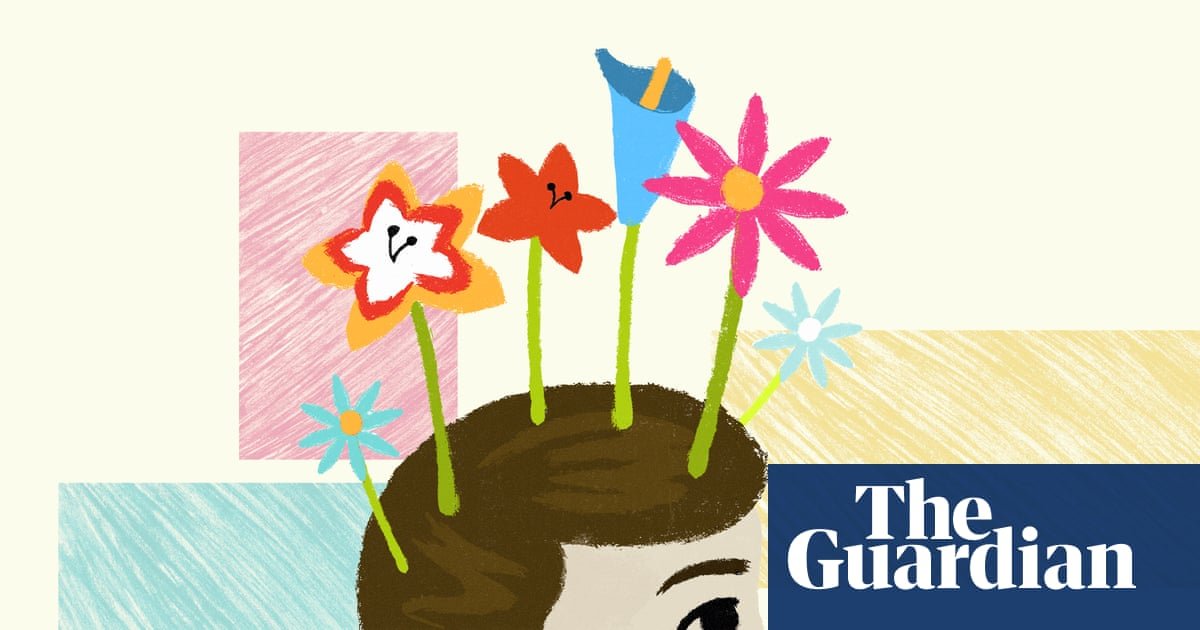
However, unlike wars and climate change, the antidote is almost entirely in our hands – shaped by everyday decisions to choose the human over the technological. As we enter the second quarter of this century, here are some ways in which you can “re-humanise” your life.
Take out your headphones
Wearing headphones in public has become a routine for many people. While headphones offer comfort and distraction, they signal we are closed off to others, reducing opportunities for casual interactions and new connections, however fleeting.
But it’s not only others we block out. Dr Jim Taylor, a psychologist and the author of Raising Generation Tech, says we often use headphones to distract ourselves from our own thoughts too. “You’re caught in a netherworld where you’re both not inside your head and you’re not engaging with the world – and those are the two things that make us human: our ability to think and our ability to feel,” he says.
Taking out your headphones, even occasionally, allows space for reflection, observation and connection. It opens the possibility of overhearing a conversation you relate to, listening to the sounds of nature or simply letting your mind wander. “It’s amazing what will happen when you’re open to the world – or open to yourself,” says Taylor. “But it’s difficult to do when you’re listening to a podcast.”
Make better introductions
Modern social life often begins on screen. Digital profiles invite us to inspect the lives – and social circles – of friends, colleagues and strangers. Before meeting someone new, chances are we may have scanned their Instagram, LinkedIn or dating profile, forming assumptions from a carefully curated snapshot of their life. Somewhere along the way, we’ve forgotten the value of a considered, human introduction as the foundation for genuine connection.
Bridget Jones’s Shazza had it right when she said that making introductions with thoughtful details can go a long way: mentioning an unexpected talent or hobby, highlighting a mutual interest or sharing a funny anecdote.
A well-made introduction reminds us that a complex, multidimensional person exists in front of us – and invites further questions. It’s best to avoid the Mark Darcy technique and stick to positives that you know the other person will appreciate. Essentially, you are selling the prospect of an interesting future conversation, peppering details they can pick up on after you leave.
Done well, a proper introduction will not only help others connect, but leave those we have taken the time to introduce feeling valued and seen. As the behavioural neuroscientist Dr Lynda Shaw puts it: “Feeling significant – feeling noticed – is one of the greatest gifts we can give someone. Why do we so often wait until a eulogy to say the good stuff?” If we’re lucky, that person will pay forward when introducing you in future, too.
Talk to people outside your generation
For younger generations, social media is now the primary source of news and ideas, with algorithms prioritising novelty and speed. Older people tend to occupy different digital spaces, and the result is age-segregated conversations where meaningful exchange between generations is harder to sustain.
This new order poses risks to all: young people lose out on insight and wisdom that can’t be found online, and older people – who already often report feeling invisible – feel disconnected. Prof Hugh Mackay, a social psychologist and researcher, says age is a form of diversity that is all too often forgotten – and intergenerational contact enriches both sides.
Taking time to speak to those outside your generation can offer a new perspective and help you break out your digital bubble. It could be as simple as carving out half an hour to have a proper conversation with someone in your family or workplace. If that feels too daunting, you could try a “deeds not words” approach and invite them to an activity that you do regularly. That way there’s some structure to the interaction, but they will understand more about your life, and have the chance to meet other people too.
We ignore intergenerational wisdom – and sage advice – at our peril.
Say it with handwriting
Communication is easier than ever before; but while we are communicating with more frequency, it is often with less depth. Birthdays are a good example: a text message is easy; a card takes effort. Writing by hand engages more of the brain and creates emotional benefits for both giver and receiver, says Shaw. “Altruism puts the brain in one of the most pleasurable states it can be.”
Using AI to write a card may save time, but it also defeats the point. The value lies in the thinking, remembering and choosing of words, says Shaw, not just the final message. Avoiding these rituals, and exercising the neural pathways they use, may make expressing emotions more difficult further down the line, Shaw says. “What we don’t use, we lose.”
A birthday needn’t be the only excuse: a heartening handwritten note for someone you live with has much more impact than sending a text, revealing traces of personality in the loops and lines of your handwriting.
Read – and share – poetry
Sure, memes are great, but oral traditions like poetry are the oldest form of social media. William Sieghart, founder of the UK-based Poetry Pharmacy, prescribes poems to people who come to his “pharmacy” sessions with emotional ailments. He has noticed that more and more people are arriving feeling anxious and overstimulated, which he puts in large part down to phones keeping us in a state of constant alert. “Lots of people tell me that they wake up in the morning and they’re kind of in fight or flight before they open their eyes,” he says.
In a world of distraction, reading a poem aloud – or to someone else – can create space for emotional honesty. “People have written about every human experience,” says Sieghart. “[A poem] will make you realise you’re not alone, you’re not mad. Even if the poem was written hundreds of years ago.” Sieghart suggests starting with this.
Avoid technological shortcuts
Self-checkouts, QR codes, video calls and chatbots are designed to save time and reduce friction. But the small exchanges they replace recharge what Mackay calls our “social batteries”.
“Human beings thrive on interpersonal interaction and suffer without it,” he says. “Neuroscientists tell us eye contact is like the super highway to the emotions. You can’t get that through a screen.”
Choosing to speak to strangers helps us break out our social bubbles and reminds us of the people who exist around us. We all benefit when we understand differences in others, even if they don’t align with our worldview.
Many of these technological tools – like self-checkouts – were introduced by companies to save on labour costs. Lining up to use the staffed counter might take longer, but a positive, friendly human exchange will help you remember that social contact is not an inefficiency to be eliminated, it’s part of the joy of being human.
Take fewer photos
Early research suggests our information-heavy media diet of videos and photos is affecting our memories. A gen Z podcast host recently (and somewhat ironically) went viral for a sobering reflection: “I heard that our generation will be the first to die with more memories of other people’s lives than our own lives because of social media.”
While cutting down on social media is an obvious choice for reducing information intake, our own photo taking habits are just as important: studies have shown that those who took a photograph are less likely to remember a moment than those who didn’t.
This doesn’t mean never taking photos. But being more intentional allows experiences to lodge more deeply in memory. Sometimes, the best way to remember something is simply to live it.
