

Chances are you’ve experienced the phenomenon of goosebumps. Maybe you were moved by a beautiful song or felt an intense rush of emotions. Or perhaps you were just cold. Goosebumps may seem like a shared human experience, but not everyone gets them and not everyone gets them under the same circumstances. “Whether one gets goosebumps varies widely from person to person,” says Jon McPhetres, PhD, a biological psychologist based in Durham, United Kingdom, who has extensively studied goosebumps.
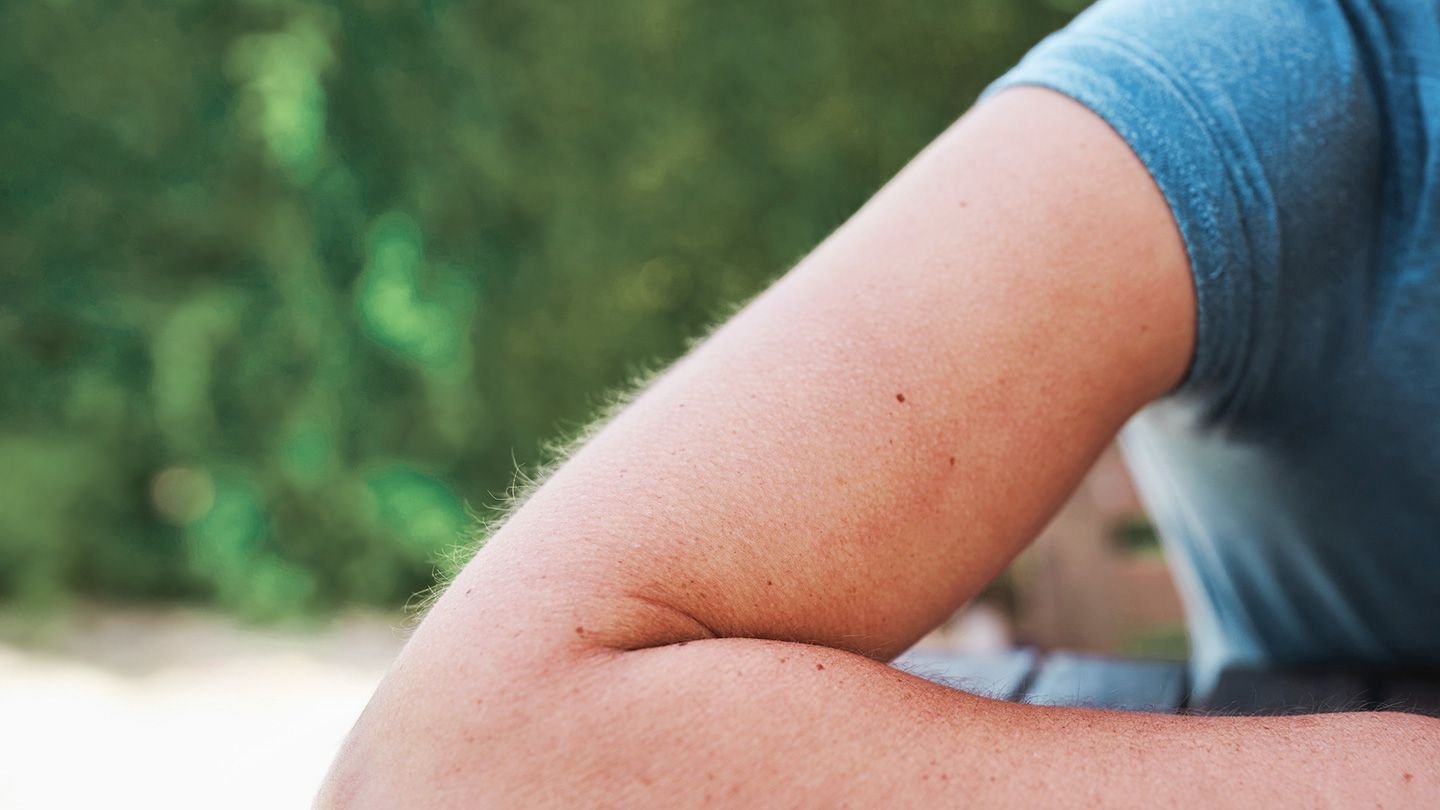
What Are Goosebumps? Definition Goosebumps are an automatic reaction (or involuntary, meaning they occur without your control) that changes the skin from smooth to bumpy. Goosebumps are also known as piloerections and cutis anserine, meaning “goose skin,” as goosebumps resemble the skin of a plucked goose.e60dc2a1-f33c-4a05-9b50-8e3e8e5976290dd376f6-7378-4a34-a044-5dd314dbc5c7 Goosebumps occur when the tiny muscles at the bottom of hair follicles contract, leaving the hair to stand on its end and creating a bump on the skin. Since goosebumps are connected to hair follicles, you’ll only find them on parts of your body with hair.e60dc2a1-f33c-4a05-9b50-8e3e8e5976294d6766df-4cb3-4fa7-97ad-cb65877ae4d7
What Causes Goosebumps? Causes Goosebumps are a psychological and neurological response caused by the cold or the body being in a fight-or-flight mode.e60dc2a1-f33c-4a05-9b50-8e3e8e5976294e70a69e-5401-4685-a65d-64a5416b97ee “Much of your body uses the same wiring — the sympathetic nervous system, or SNS — that is connected to your goosebump muscles, called the arrector pili,” Dr. McPhetres says. Any time the SNS is activated, you might also experience goosebumps. Here are a few potential causes of goosebumps: Cold Weather Goosebumps can be a physical reaction to cold and can help the body conserve heat. When the muscles in the skin contract, the hair follicles rise and the pores close. The hair that’s stuck straight up traps the air near the skin, allowing it to contain body heat.e60dc2a1-f33c-4a05-9b50-8e3e8e59762998bde6c0-e6e2-42db-b48f-9c25f5d872b9 Intense Emotion Feeling strong emotions — such as shock, fear, anger, or excitement — can bring on goosebumps.e60dc2a1-f33c-4a05-9b50-8e3e8e5976294e70a69e-5401-4685-a65d-64a5416b97ee Getting goosebumps in response to emotions is not a well-understood reaction, but it’s most likely because psychological needs activate the SNS, according to research conducted by McPhetres and his colleagues.e60dc2a1-f33c-4a05-9b50-8e3e8e597629f1968d91-ee47-4b81-be73-dc9fa6198cca “While emotions might sometimes occur at the same time as goosebumps, the link is far weaker than to temperature or touch, and you more often experience one without the other,” he says. Frisson Commonly referred to as getting chills, frisson may occur in response to experiencing something moving, such as a beautiful song or an empowering speech, and is often accompanied by goosebumps.e60dc2a1-f33c-4a05-9b50-8e3e8e5976294e70a69e-5401-4685-a65d-64a5416b97ee One study showed that people who experienced goosebumps in response to movies, songs, and speeches reported increased emotional intensity as well. The researchers also showed that experiencing chills (or frisson) activated brain activity similar to that observed during euphoric states on certain drugs, suggesting that both frisson and goosebumps can be intense emotional reactions.e60dc2a1-f33c-4a05-9b50-8e3e8e5976295fb9f379-e7d1-469f-9e50-32b8ace134f7 Sexual Arousal The SNS that’s connected to the small muscles responsible for triggering goosebumps is also involved with the brain’s arousal response.e60dc2a1-f33c-4a05-9b50-8e3e8e59762998bde6c0-e6e2-42db-b48f-9c25f5d872b9 One study found that goosebumps (as well as nipple erection) are caused by neurons controlled by the piloerection muscles in the tissue.e60dc2a1-f33c-4a05-9b50-8e3e8e59762973b05e11-f7ae-4c38-9f46-a0c7ff03a35e The best explanation for experiencing goosebumps in these scenarios seems to be that it’s just the way that humans are wired. “It just so happens that the nerves that allow us to have a sexual response are linked to the same nerves that control the tiny arrector pili muscles at the base of hair follicles,” McPhetres says.
Do Goosebumps Have Benefits for Health? Benefits From an evolutionary standpoint, goosebumps are meant to help the body generate heat and stay warm, though this is a more helpful explanation for goosebumps in animals with fur than modern-day humans.e60dc2a1-f33c-4a05-9b50-8e3e8e597629b89576a7-657e-4cc7-8428-d088c364c433 “When animals get cold, raising the fur or feathers helps maintain body temperature,” McPhetres says. In modern humans, goosebumps serve little purpose.e60dc2a1-f33c-4a05-9b50-8e3e8e597629b89576a7-657e-4cc7-8428-d088c364c433 “When humans had more hair, this response probably made more sense than it does now, but now it’s just one way the body responds to external stimuli,” McPhetres says. There may be one additional use for goosebumps newly discovered in an animal study: regenerating hair follicles.e60dc2a1-f33c-4a05-9b50-8e3e8e597629b89576a7-657e-4cc7-8428-d088c364c433 The nerves activated by goosebumps are also connected to the cells responsible for hair growth. So when goosebumps occur, the same nerve responsible for hair growth is activated, too.e60dc2a1-f33c-4a05-9b50-8e3e8e597629d7997e67-abb3-467f-b9c9-8fcf621ef912 Researchers are currently exploring the idea of reactivating sympathetic nerves in hair follicles to boost hair growth.e60dc2a1-f33c-4a05-9b50-8e3e8e5976291d7e6bbb-4dfc-47a3-a1d4-cd4ca79d1722 So why do we still get goosebumps? Since there are few survival benefits of goosebumps these days, some experts suspect that they will soon go the way of wisdom teeth or the tailbone, and gradually disappear over the coming centuries.e60dc2a1-f33c-4a05-9b50-8e3e8e597629a13c24c9-72ac-4004-8970-5af6e8657e29
Should You Worry About Goosebumps? Other Conditions Getting goosebumps every now and then is not something to worry about and usually simply suggests you’re experiencing emotions or chilliness. “Ninety-nine percent of the time, goosebumps are just a meaningless reflex,” McPhetres says. “They’re nothing to worry about.” However, if they are persistent and occur without explanation, they may signal that a health condition is in play:e60dc2a1-f33c-4a05-9b50-8e3e8e597629753448f6-edb5-4089-8830-d83545650ba1 Keratosis pilaris is a skin condition marked by rough, bumpy, dry, and red skin; it occurs when keratin deposits build up and block the hair follicles. Anxiety or panic attacks are sometimes marked by chills that trigger goosebumps. They’re related to a fight-or-flight reaction stemming from an emotionally charged episode, says Nick Bach, PsyD , a licensed clinical psychologist with Grace Psychological Services in Louisville, Kentucky. “Clients tell me about feeling goosebumps during anxiety spikes,” he says, adding that they’re rarely a concern. “In therapy, anxiety — or whatever stress is related to [the goosebumps] — is treated, not the goosebumps,” Dr. Bach says. Withdrawal from substances like opioids, alcohol, and nicotine can leave the skin clammy and easy to bristle. This can explain the term “cold turkey,” Bach says. Seizures can be immediately preceded by goosebumps, or goosebumps can occur during a seizure. Though rare, it may be more common among those with left temporal lobe epilepsy, which is a disorder involving the SNS.e60dc2a1-f33c-4a05-9b50-8e3e8e597629e3bbe23d-91a7-42d8-875a-fec176022e0d Autonomic dysreflexia is a dangerous condition following a spinal cord injury that causes the autonomic nerve system to overreact. Other symptoms include excessive sweating, slower-than-usual heart rate, cold skin, and a stuffy nose.e60dc2a1-f33c-4a05-9b50-8e3e8e597629e86d9cd1-063f-41bd-a8d2-53f69a8e9ef1
When to Get Help See a Doctor Goosebumps caused by a worrisome condition are extremely unusual, Bach says. “It’s the context that matters,” he says. If goosebumps can be tied back to a trigger such as cold, emotions, or arousal, there’s nothing to worry about, McPhetres says. Bach says to be on the lookout for other symptoms that may indicate it’s time to seek help from a healthcare provider: Goosebumps that happen frequently, in the same way, and possibly on the same side and area of the body Goosebumps that are accompanied or preceded by altered awareness, fainting, severe headaches, chest pain or palpitation, fever, or new neurological symptoms such as weakness, facial droop, mismatched pupils, or drooping eyelids. Goosebumps that start after going on or off a medicine or substance known to affect the nervous system, such as antipsychotics, nausea medicines, and those used to treat Parkinson’s, restless leg syndrome, and other nervous system problems.e60dc2a1-f33c-4a05-9b50-8e3e8e5976294d13b799-a48c-4733-a970-9912edda05c8
The Takeaway Goosebumps are part of the human experience and almost always nothing to worry about. They’re usually a natural part of the body’s response to emotions or temperature changes, though under very rare circumstances they may indicate a health issue. Research involving goosebumps suggests that they’re a result of SNS activation that may have helped our ancestors conserve body heat.
Subscribe to Updates
Get the latest creative news from FooBar about art, design and business.
Previous ArticleYour Skin Might Be The Best Predictor Of How Well You’re Aging

Related Posts
Add A Comment