

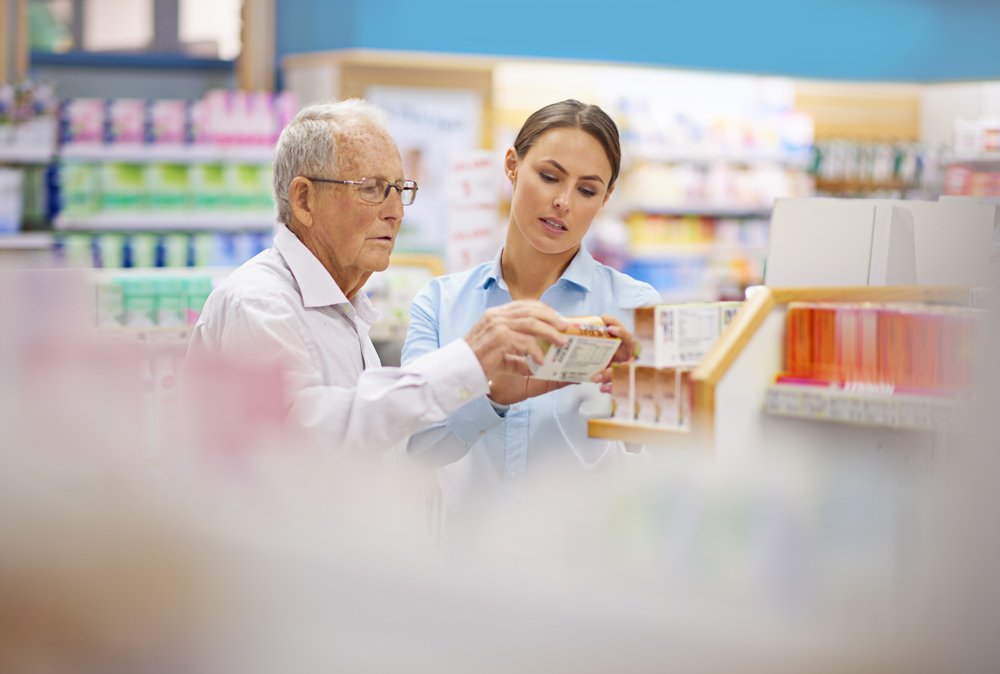
Education fuels wellness retail. A demo is more than sampling—it’s storytelling that drives shopper action.
Walk through the aisles of any natural foods store today, and one thing is immediately clear: the wellness market has never been more crowded. Shelves are packed with adaptogenic drinks, functional snacks, new supplement blends and plant-based alternatives—all competing for a consumer’s attention in just a few fleeting seconds. In this environment, brands that leverage in-store demos gain a measurable edge.
Even a beautifully packaged, well-researched, competitively priced product can underperform. Why? Because education drives sales in wellness retail. Shoppers want more than a label; they want to know how a product works, why it matters, and how it fits into their lives. Without that layer of trust and understanding, even the most innovative items can struggle to gain traction.
Retail economics only amplify the pressure. Category managers must prove that every inch of shelf space delivers velocity. A supplement that doesn’t sell quickly or a beverage that fails to earn repeat purchase can be cut to make room for the next contender. Historically, in-store demos have been a cornerstone of retail success—driving trial, educating shoppers and boosting conversion. But most were paused during the COVID-19 pandemic, limiting opportunities for direct engagement.
Now that consumers returned to stores, demos are experiencing a renaissance. Shoppers are eager for personal interaction and guidance, rediscovering the value of hands-on experiences. Modern demos go further: QR codes, digital tracking and real-time feedback allow brands to capture both qualitative insights and measurable results. By combining human connection with data-driven accountability, in-store demos have re-emerged as a high-impact, tech-enabled strategy for driving trial, engagement and loyalty.
For brands and retailers looking to thrive, the message is clear: thoughtful, data-driven in-store demos are no longer optional. They are a strategic lever—capable of securing shelf space, expanding store distribution, and building lasting shopper loyalty in an increasingly competitive market.
Trust Wins at the Shelf
Products in wellness retail rarely sell on packaging alone. A supplement capsule, functional beverage or herbal tincture might promise tangible benefits, but shoppers want context: What’s inside? How does it work? Will it fit into my routine? Without answers, curiosity often turns to hesitation, and products risk becoming just another box on a crowded shelf.
In-store demos bridge this gap, creating space for education and personal connection. A knowledgeable ambassador can explain ingredients, demonstrate usage and field questions in real time. These interactions help customers make informed choices and foster the trust that drives repeat purchases.
The impact is measurable. Studies show that over 80 percent of consumers view in-person events as a reliable way to discover new products. In a category where credibility is currency, demos deliver what packaging and shelf tags cannot: a human connection. Even the most innovative, clinically backed products can falter without them. With demos, discovery becomes an experience that converts trial into loyalty and transforms shelf space from a gamble into a growth engine.
Trends Defining Retail Demos in 2026
The demo table has evolved dramatically. What was once a tactical sampling exercise is now a strategic tool with measurable impact. For wellness retailers and brands, four trends are shaping demo programs today.
1. Data-driven Impact
Measurement is now central to demos. What used to be anecdotal—“we saw lots of smiles at the table”—is now hard, actionable data. Predictive analytics forecast sales lift by store, daypart and product, while compliance tracking ensures ambassadors are on-site and executing correctly.
Strong demo programs can secure shelf space, justify expansion to additional stores, and provide concrete case studies of velocity for other retailers. Demos are no longer a marketing tactic; they are a tool to prove value, extend distribution and grow a brand’s presence.
2. Engagement Through Education
Handing out samples isn’t enough. Shoppers want to understand what a product does, how it’s sourced, and why it’s worth buying. Trained demo specialists drive authentic conversations, turning curiosity into conversion.
In categories like vitamins, supplements or plant-based foods, well-prepared ambassadors can answer questions about ingredients, benefits and usage. This builds trust, reduces misinformed purchases and encourages repeat buying.
A strong demo partner enables brands to train staff on history, differentiation and messaging. Incorporating quizzes and tying knowledge to sales goals ensures specialists stay informed, focused, and results driven.
3. Hybrid Experiential Models
Retail demos rarely stand alone. Today, they are part of larger field marketing strategies, blending in-store sampling with street teams, event activations and social media amplification—blanketing markets and driving purchase behavior.
The line between in-store and online experiences is increasingly blurred. Shoppers may scan QR codes for recipes, sweepstakes or social follow links. Some campaigns livestream demos or target consumers with geo-focused social ads. Demos now serve as central touchpoints in a broader, multi-channel shopper journey.
4. Intensifying Retailer Expectations
Retailers demand measurable ROI (return of investment). Margins are tight, and shelf resets frequent, so demos must deliver incremental sales. Programs are evaluated not just on exposure or smiles, but on commercial impact. Brands that underperform risk losing valuable shelf space to competitors, making accountability essential.
Retailer Benefits: Turning Demos into Strategic Advantage
Smart retailers see demos as tools to drive traffic, increase margins and maximize shelf performance.
Direct Revenue: Booking Fees That Add Up
Demos are increasingly treated as revenue-generating services. Booking fees cover staffing and the value of direct shopper access. High-traffic slots reserved create predictable income streams. For independent chains, revenue from demos can offset labor or marketing costs entirely.
Indirect Revenue: Driving Sales Lift
Demos boost aisle-level performance, often elevating a product to top-seller status. Shoppers frequently add complementary items, increasing basket size and generating a ripple effect beyond the sampled product.
Shelf Leverage: Proof Before Placement
Brands that consistently deliver lift gain leverage during category reviews, securing premium placement or additional facings. Underperforming programs risk losing shelf space. Demos provide measurable proof of shopper appeal.
Flexibility: Scalable Tools and Expert Execution
Technology platforms streamline scheduling, compliance and reporting. Specialized agencies offer trained ambassadors and turnkey execution, enabling retailers to scale programs without overloading internal teams.
Practical Tips for Retailers and Brands
Demos are strategic levers, not isolated events. To maximize ROI:
1. Plan Around Velocity and Promotions
Align demos with launches, replenishment cycles and promotions. Coordinate with retailer calendars, discounts, bundles or loyalty programs to reach shoppers when they are primed to buy.
2. Train Staff to Tell the Brand Story
Ambassadors should be fluent in ingredients, benefits, usage and brand purpose. Well-trained staff turn interactions into memorable touchpoints, increasing conversion exponentially, going toe-to-toe in selling as much as your best salespeople.
3. Pick the Right Partner
Choose partners who empower brands to train staff, integrate quizzes and sales goals, and maintain accountability.
4. Measure What Matters
Track units sold, conversion rates, repeat purchase signals and shopper behavior. Monitor compliance and ambassador performance to refine future activations.
5. Amplify Across Channels
Combine demos with street teams, events and social media. Use digital tools to extend engagement and connect physical experiences to online actions.
The Partner Advantage: Scaling Demos in Wellness Retail
Executing demos at scale is complex. Attack! Marketing combines smart software with turnkey services to transform demos into measurable growth engines.
• Manage In-house: Schedule activations, track compliance, and monitor performance across stores with clear ROI visibility.
• Hands-off Solution: Agency partners provide trained ambassadors, scheduling, execute activations and report results.
• Beyond the Aisle: Demos extend to parking lots, local festivals and high-traffic events, connecting products with shoppers in meaningful ways.
Turning Demos Into Growth
Demos aren’t just marketing events—they’re strategic levers. Thoughtful execution drives sales, protects shelf space, and strengthens shopper loyalty.
• Measure What Matters: Track units sold, conversions and repeat purchases.
• Educate Shoppers: Well-informed ambassadors turn brief interactions into memorable experiences.
• Integrate & Amplify: Pair demos with promotions, social media and street-team sampling to blanket key geographies.
Takeaway: Modern demos are hybrid, data-driven, and scalable. Far from merely returning to stores, they are evolving into high-impact, ROI-focused tools that grow brands, strengthen retailer partnerships, and build loyal shoppers.VR
Christian Jurinka is the CEO of Attack! Marketing—performance-driven marketing, experiential, sampling and retail demos. For more information, call (415) 777-5236 or visit linkedIn.com/in/jurinka.
