

Changes in vaginal bacterial and pH levels may be why your period smells so bad. It’s normal for period blood to smell, but strong odors may be a sign of poor hygiene or an infection.
You might notice your period blood sometimes smells different.
The amount of bacteria in your vagina changes, which can lead to odors like:
- Body odor: There are apocrine sweat glands near the genitals. When sweat mixes with period blood, it can create body odor.
- Fishy: This is sometimes a sign of bacterial vaginosis (BV).
- Metallic: It’s normal for period blood to smell slightly metallic, a sign of iron in the blood.
- Rotten: This may be a sign that you have left a tampon inside your vagina for a long time. Feel around for a tampon string or feel inside your vagina for the tampon if you are unsure.
- Sweet: This can be a normal sign of changes in the balance of vaginal bacteria during your period.
Period blood contains iron, a mineral that helps produce hemoglobin. This key component of blood carries oxygen throughout the body.
When menstrual blood comes into contact with air, the iron oxidizes (breaks down). This creates a metallic smell.
A particularly strong fishy smell may be a sign of BV. An overgrowth of bacteria in the vagina causes BV. It’s one of the most common vaginal diseases in women aged 15-44 years old.
Seek medical attention if you have other BV symptoms, such as:
- Gray or milky white vaginal discharge that may have a foam-like or watery consistency
- Itching near the outside of the vagina, or the vulva
- Vaginal irritation
Your vagina is a host to many bacteria. You may notice an odor if bacteria mix with menstrual blood.
“When you cut your finger, you wipe the blood off right away, and it’s fresh blood, meaning it hasn’t been sitting around for a while,” Christine Greves, MD, an OB-GYN at the Winnie Palmer Hospital for Women & Babies in Florida, told Health.
“Period blood stays in the vagina for a longer period of time. It’s exposed to the bacteria in the vagina, and that’s where you get that odor,” said Dr. Greves.
Changes in the hormones estrogen and progesterone throughout the menstrual cycle can affect your vaginal pH.
At the start of your period, these hormones drop, which raises vaginal pH. A higher pH promotes the growth of more bacteria that create an odor.
Although rare, leaving a tampon in your vagina for a long time could lead to toxic shock syndrome (TSS). Certain types of Staphylococcus (staph) bacteria that release toxins cause TSS.
Get immediate medical attention if you notice a rotten smell and have other TSS symptoms like:
- Diarrhea, nausea, or vomiting
- Feeling confused
- Headache or muscle aches
- High fever with or without chills
- Hypotension (low blood pressure)
- Malaise, or a general sick feeling
- Organ failure
- Red eyes, mouth, or throat
- A red rash that resembles a sunburn
- Seizures
Practicing good menstrual hygiene can lessen menstrual blood smell. It also helps you feel comfortable and prevents infections.
Ways to minimize period blood smell include:
- Change your pad or tampon: How often you need to change depends on your flow. Change pads every few hours and tampons no more than every eight hours.
- Do not douche: The vagina cleanses itself, so you only need to rinse your vulva with water. Do not douche or use deodorizing products like vaginal sprays or wipes. This throws off the natural bacteria in your vagina, which puts you at risk for infection.
- Practice vaginal care: Stay hydrated, and wear breathable, clean underwear.
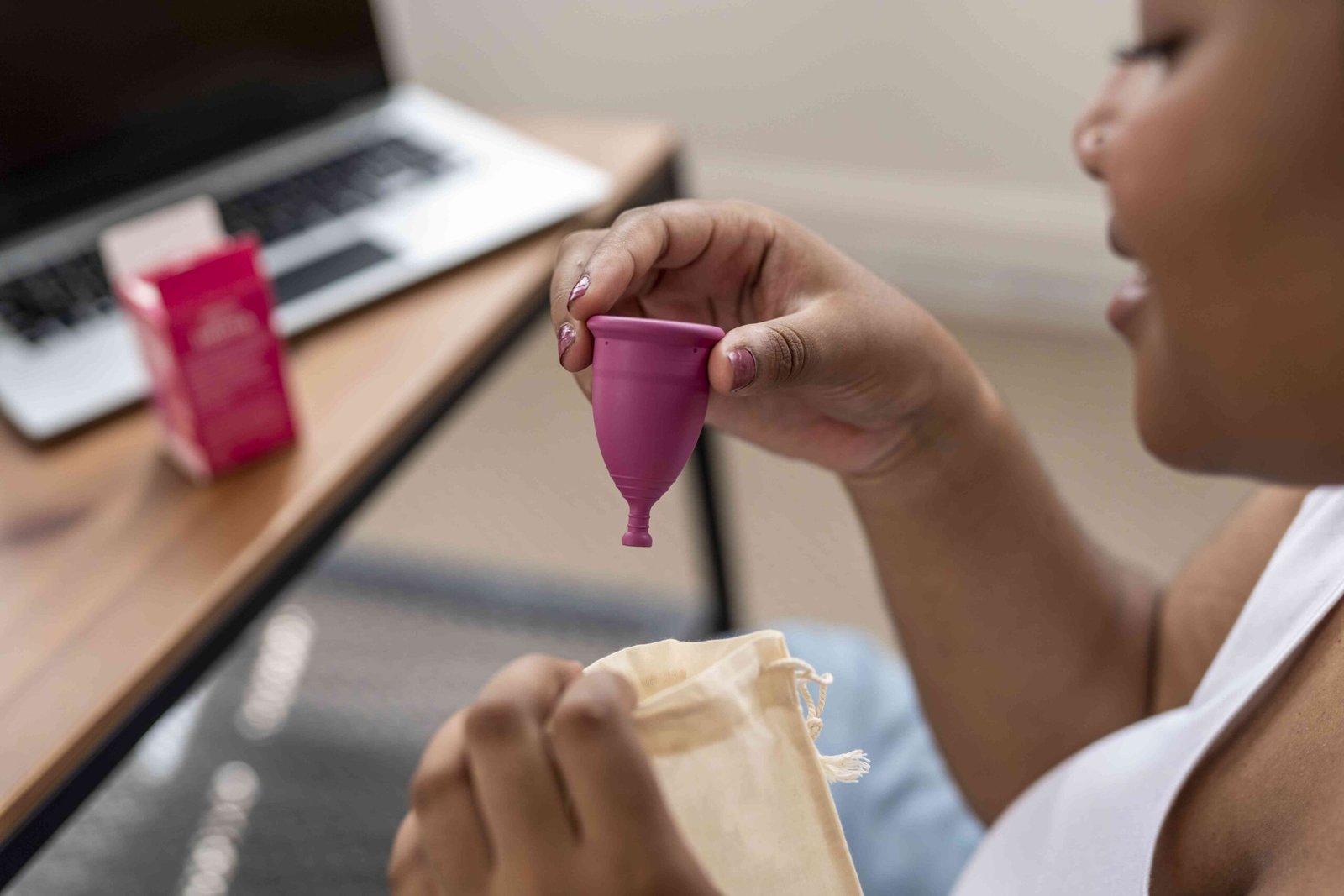
- Try menstrual cups: These reusable devices insert into the vagina to collect period blood. They are made up of elastomer, latex, rubber, or silicone. You can clean and reuse a menstrual cup for up to 10 years.
It’s normal for your vagina to have a slight odor, but it’s usually not noticeable. A slight change is usually nothing to worry about.
See a doctor if your period blood smells unpleasant all of a sudden, or if you have other symptoms like:
- Abnormal bleeding, such as spotting between periods
- Burning while urinating
- Discharge
- Itching near your vulva
- Pain during sex or while urinating
A doctor can examine your cervix, vagina, and vulva and look for abnormal discharge. They may take a vaginal fluid sample to test for infections.
